Explore Blood Testing Options for Vitamin Deficiency in Great Yarmouth
Convenient Local Appointment Booking
Private Blood Test for Vitamin Deficiency in Great Yarmouth: Securing a blood test for vitamin deficiency in Great Yarmouth is a simple process, with a variety of clinics offering flexible appointment choices. Options range from private healthcare facilities to NHS services, giving local residents the ability to select a location that best suits their preferences. Many clinics emphasise quick sample processing, facilitating the prompt identification of nutrient deficiencies that could affect overall wellness and energy levels over time.
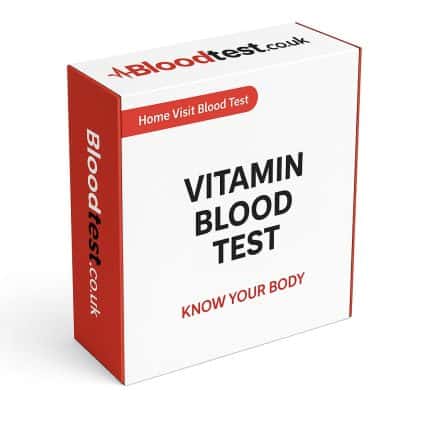

Individuals can schedule appointments through online booking or by phone, with many clinics also providing walk-in services for those requiring immediate testing. This level of flexibility is particularly advantageous for people with hectic schedules or those experiencing symptoms that demand urgent attention. It is wise to assess the services offered by each clinic to ensure they align with personal health needs.
Insights into Sample Collection Procedures
In Great Yarmouth, qualified professionals perform blood tests with minimal discomfort, ensuring a positive experience for patients. The procedure generally involves drawing blood from a vein in the arm, which is quick and typically well-tolerated. Obtaining accurate results is essential, as they inform personalised recommendations regarding dietary adjustments or supplements necessary to rectify any identified deficiencies.
Once collected, samples are dispatched to accredited laboratories for thorough analysis. Residents can expect to receive their results within a few days, depending on the clinic’s processing capabilities. This effective sample management is crucial for timely health interventions, empowering individuals to adopt proactive measures to enhance their wellbeing.
What Role Does Timing Play in Result Accuracy?
Timing indeed plays a crucial role in the accuracy of a blood test for vitamin deficiency in Great Yarmouth. It is often advisable to adhere to specific pre-test guidelines, such as fasting for a designated period or avoiding certain medications. This practice ensures that results accurately reflect true vitamin levels rather than temporary fluctuations caused by recent food intake or medication use.
Scheduling the test at a time when the patient is likely to be stable can also enhance reliability. For instance, conducting tests in the morning after an overnight fast may yield more consistent results for certain vitamins. Adhering to these protocols allows healthcare providers to deliver the most precise assessments and recommendations.
Evaluating the Availability of Blood Testing Services
Great Yarmouth offers a range of clinics providing blood testing for vitamin deficiencies, each with varying waiting times and service capacities. This variety enables residents to select a facility that fits their schedules and health requirements. Some clinics may provide same-day appointments, while others might necessitate advance bookings.
Individuals are encouraged to investigate and compare available services, including patient reviews and experiences. This research allows them to choose a clinic that not only accommodates their scheduling needs but also offers high-quality care and precise testing for effective health management.
Effective Management of Test Results
Understanding how results are communicated and interpreted is crucial for individuals who have undergone a blood test in Great Yarmouth. Most clinics provide results through secure online platforms or direct communication with healthcare professionals. This immediate access empowers patients to swiftly address any identified vitamin deficiencies.
Once results are available, healthcare providers typically engage in comprehensive discussions, offering tailored dietary modifications or supplements based on the findings. This proactive strategy ensures that individuals can make necessary adjustments to their nutrition and lifestyle, fostering sustained wellbeing and improved health outcomes.
How Can You Prepare Effectively for Your Blood Test?
Dietary Adjustments to Consider Before Testing
Making slight modifications to your diet prior to a blood test for vitamin deficiency in Great Yarmouth can greatly enhance the accuracy of the results. It is advisable to avoid foods high in specific vitamins or supplements that might skew the readings. For instance, when testing for vitamin B12, it is prudent to limit the intake of B12-rich foods, such as meat and dairy, in the days leading up to the test.
Maintaining hydration is vital as it can assist with the blood draw process. Simple meal adjustments, such as choosing lighter options prior to the test, can facilitate clearer readings. These precautions help ensure that test results accurately represent the individual’s true vitamin levels.
What Essential Documentation Should You Bring to Your Appointment?
When attending a blood test for vitamin deficiency in Great Yarmouth, it is essential to bring relevant documentation to streamline the process. Identification, such as a driver’s licence or NHS card, verifies the patient’s identity. A summary of your medical history, including any medications currently taken, can also assist healthcare professionals in tailoring the analysis.
Having these documents readily available ensures a smooth and efficient testing experience. It also enables healthcare providers to offer more personalised guidance based on the patient’s specific health circumstances, which leads to improved outcomes in managing vitamin deficiencies.
Strategies to Ease Anxiety on Testing Day
Feeling anxious before a blood test for vitamin deficiency in Great Yarmouth is a common experience, but there are effective strategies to alleviate this. Breathing exercises, such as deep inhalations and slow exhalations, can help calm nerves. Most clinics employ staff trained to provide reassurance and clearly explain each step of the process.
Familiarity with the procedure can also reduce fear. Understanding that the blood draw is quick and carried out by trained professionals can make the experience less intimidating. This supportive environment encourages individuals to focus on their health rather than the anxiety surrounding the test.
Insights from Experts on Blood Testing for Vitamin Deficiency in Great Yarmouth
Real-Life Case Studies from Great Yarmouth Residents
Many residents in Great Yarmouth have benefited from blood tests for vitamin deficiency, particularly those experiencing fatigue or low energy levels. For instance, a local individual who frequently felt exhausted discovered through testing that their vitamin D levels were low. This discovery led to targeted actions, including dietary changes and increased sun exposure.
These real-life examples underscore the significance of accurate laboratory findings in addressing health concerns. Tailored follow-up care plans further illustrate how effective these tests can be in improving overall health and vitality within the community.
Key Factors Influencing Test Results
Interpreting the results of a blood test for vitamin deficiency in Great Yarmouth entails understanding several key factors that may influence the outcomes. Lifestyle elements, including diet, physical activity, and stress levels, can all affect vitamin status. For example, individuals experiencing significant stress may face compromised nutrient absorption, which could impact their vitamin levels.
Healthcare providers often advocate for a holistic approach, taking these lifestyle factors into account when discussing test results. This comprehensive evaluation allows for the implementation of actionable steps, empowering individuals to make informed decisions about their health and nutrition based on their unique situations.
Recommendations for Ongoing Monitoring
Experts recommend regular blood tests for vitamin deficiencies in Great Yarmouth to track progress and ensure nutrient levels remain optimal. Consistent testing enables individuals to observe changes over time and adjust their dietary strategies as necessary. This proactive approach is particularly important for those with a history of deficiencies or specific health conditions.
Incorporating routine monitoring into health management plans helps maintain balanced nutrient levels throughout the year. It also empowers individuals to take control of their health, enabling them to make informed decisions based on their evolving needs and lifestyle changes.
Selecting the Right Tests for Your Needs
Consulting with healthcare providers before undergoing blood tests for vitamin deficiencies in Great Yarmouth is vital for selecting the most appropriate tests. Each individual may present unique symptoms and dietary practices that necessitate specific testing. For instance, a person following a vegetarian diet may require a different set of tests compared to someone with a balanced omnivorous diet.
Healthcare professionals can guide individuals on which tests align best with their health concerns, ensuring more accurate diagnoses and effective treatments. This tailored approach maximises the benefits of testing, leading to improved health outcomes for local residents.
What Results Can You Expect from Your Blood Test?
Interpreting Common Test Results
Results from a blood test for vitamin deficiency in Great Yarmouth typically reveal levels of essential nutrients such as vitamins B12 and D and iron. These indicators provide valuable insights into dietary habits and potential deficiencies. For example, low vitamin D levels may suggest inadequate sun exposure or dietary intake, prompting recommendations for supplements or lifestyle adjustments.
Patients can expect clear explanations of their results from healthcare providers, who will guide them on necessary changes to their nutrition or supplementation routines. Understanding these findings is crucial for developing effective health management strategies that enhance overall wellbeing.
Benefits of Follow-Up Care in Great Yarmouth
Comprehending blood test results facilitates better planning for health objectives. The key advantages of follow-up care in Great Yarmouth include:
- Individualised dietary recommendations based on test results.
- Timely interventions to address identified deficiencies.
- Ongoing support from healthcare professionals.
- Regular monitoring to track progress and refine health strategies.
These benefits are vital in preventing complications arising from untreated vitamin deficiencies, ultimately enhancing overall health and vitality.
Next Steps After Receiving Your Results
Upon receiving the results of a blood test for vitamin deficiency, healthcare professionals in Great Yarmouth typically guide patients on the subsequent steps. This may involve discussing specific dietary modifications, recommending supplements, or scheduling follow-up tests to monitor progress. The goal is to facilitate effective management of any identified deficiencies.
Patients should feel encouraged to ask questions and seek clarification regarding their results. This open dialogue with healthcare providers fosters a collaborative approach to health management, empowering individuals to take proactive steps towards improved vitality and wellbeing.
Understanding Variations in Test Outcomes
Results from vitamin-deficiency blood tests in Great Yarmouth can vary due to personal health factors, including age, diet, and recent illnesses. For example, older adults may demonstrate different nutrient absorption rates compared to younger individuals, which can influence test outcomes. Recognising these variations enables healthcare providers to offer tailored advice based on individual circumstances.
Patients should also be aware that factors such as hydration levels and the time of day can impact results. This nuanced understanding allows individuals to engage more meaningfully with their healthcare providers, ensuring they receive the most accurate interpretations of their results.
Comparing Results Against National Standards
Healthcare specialists in Great Yarmouth regularly evaluate blood test results for vitamin deficiency against national health benchmarks. This comparison assists individuals in identifying specific deficiencies in their vitamin levels and comprehending the implications for their overall wellbeing. For instance, recognising that vitamin D levels fall below the recommended range can prompt immediate lifestyle adjustments.
By contextualising results within established benchmarks, healthcare providers can deliver clearer guidance on necessary interventions. This approach empowers individuals to take informed actions to enhance their health and maintain optimal energy levels.
Effective Strategies for Blood Testing for Vitamin Deficiency in Great Yarmouth
Local Practices Illustrated Through Real-World Examples
Implementing trusted strategies for blood testing for vitamin deficiencies in Great Yarmouth often involves integrating testing with ongoing dietary support. For instance, a local clinic may conduct tests and subsequently provide patients with customised meal plans based on their results. This holistic approach has proven effective in helping individuals achieve and maintain balanced nutrient levels.
Real-world cases illustrate how these strategies can yield lasting benefits. Residents who have engaged in follow-up care and nutritional guidance report heightened energy levels and improved health, underscoring the positive impact of combining testing with lifestyle support.
Crafting a Personalised Health Plan
Developing tailored health plans following a blood test revealing a vitamin deficiency in Great Yarmouth requires collaboration with specialists. This cooperative effort ensures that specific needs are addressed, facilitating effective, balanced nutrition. For example, individuals identified with low iron levels may work with nutritionists to create meal plans rich in iron-rich foods.
Personal health plans should not only focus on immediate dietary changes but also incorporate long-term objectives to maintain nutrient balance. This comprehensive approach empowers individuals to take charge of their health, leading to more sustainable outcomes and improved wellbeing.
Practical Steps for Continuous Monitoring
Regular blood tests for vitamin deficiencies in Great Yarmouth are crucial for tracking changes and refining health strategies. Individuals should schedule follow-up tests at intervals recommended by healthcare providers to facilitate continuous monitoring of vitamin levels.
Practical steps include maintaining a health diary to document symptoms and dietary habits, which can provide valuable insights during consultations. This proactive approach enables individuals to make informed adjustments to their nutrition and lifestyle based on data gathered from each blood test.
Consultation with Local Nutritionists
Seeking guidance from local nutritionists in Great Yarmouth following a blood test for vitamin deficiency ensures personalised strategies that effectively integrate test results with sustainable lifestyle changes. Nutritionists can offer tailored meal plans and practical tips for incorporating nutrient-rich foods into daily diets.
Collaboration with nutritionists enhances the effectiveness of blood test outcomes, as they provide ongoing support and accountability. This partnership fosters a community approach to health, promoting optimal long-term health outcomes for residents.
The Significance of Regular Testing for Health
Preventing Health Issues Linked to Deficiencies
Routine blood tests for vitamin deficiency in Great Yarmouth are vital for the early identification of potential health issues. By detecting deficiencies before they develop into serious health conditions, individuals can take proactive measures that enhance daily functioning. For example, early detection of vitamin B12 deficiency can help prevent neurological complications.
Regular testing supports a proactive health strategy, empowering individuals to make informed choices regarding their diets and lifestyles. This approach not only enhances personal wellbeing but also contributes to a healthier community overall.
Recommended Frequency of Testing
The frequency of blood tests for vitamin deficiency in Great Yarmouth varies based on individual factors, including dietary habits and medical history. Generally, individuals at higher risk for deficiencies may benefit from more frequent testing, while others may require only annual assessments. Consulting with healthcare providers can help determine the most suitable schedule based on personal health needs.
Regular testing intervals foster awareness of nutrient status and encourage timely interventions when necessary. This proactive strategy is crucial for maintaining optimal health and preventing potential complications.
The Community Health Benefits of Routine Testing
The widespread implementation of blood tests for vitamin deficiency in Great Yarmouth significantly contributes to public health. Early identification of deficiencies enables individuals to make informed dietary and lifestyle choices, fostering a healthier community. As more residents engage in proactive health measures, the overall health of the population improves.
This community-focused approach to health not only benefits individuals but also alleviates pressure on local healthcare services. By prioritising preventive measures, Great Yarmouth can enhance the quality of life for its residents and promote long-term health outcomes.
Post-Test Care Following Your Blood Test in Great Yarmouth
Recovery Protocols and Immediate Guidance
After a blood test for vitamin deficiency in Great Yarmouth, most individuals can quickly return to their regular activities. The procedure is minimally invasive, and any discomfort is usually brief. Clinics typically provide specific recovery instructions, such as keeping the bandage on for a few hours and avoiding strenuous activity immediately afterwards.
Patients are encouraged to stay hydrated and consume a balanced meal after the test to support their recovery. Following these guidelines optimises comfort and ensures a smooth transition back to daily routines.
Key Advantages of Dietary Changes Following Testing
Implementing suggested dietary modifications after a blood test can support recovery and enhance overall health. The primary benefits include:
- Increased energy levels through balanced nutrition.
- Enhanced immune function by addressing deficiencies.
- Improved mental clarity and focus from adequate nutrient intake.
- Long-term health improvements through sustained dietary changes.
These benefits highlight the importance of adhering to professional recommendations to maximise the insights gained from accurate assessments of personal vitamin levels.
Is Local Follow-Up Support Available?
Many providers in Great Yarmouth offer ongoing guidance following a blood test for vitamin deficiency. This follow-up support is crucial for helping individuals stay aligned with health improvements and addressing any questions that may arise. Healthcare professionals often schedule follow-up appointments to discuss results and recommend further actions.
Access to local resources, including nutritionists and health coaches, enhances the support available to residents. This comprehensive follow-up care ensures that individuals can effectively implement changes based on their test results, promoting long-term health and wellbeing.
Frequently Asked Questions
What does a blood test for vitamin deficiency involve?
A blood test for vitamin deficiency assesses specific vitamin levels in the bloodstream to identify deficiencies that may affect health and wellbeing.
How can I find a clinic for blood tests in Great Yarmouth?
You can locate clinics by searching online for local healthcare providers or by consulting your GP for recommendations on where to obtain blood tests.
Is fasting necessary before the test?
Fasting requirements can vary depending on the specific vitamins being tested. It is advisable to follow the guidance provided by your healthcare provider.
What is the typical timeframe for receiving results?
Generally, results from a blood test for vitamin deficiency are available within a few days, subject to the clinic’s processing times.
What should I do if my results indicate a deficiency?
If you have a deficiency, consult your healthcare provider for personalised advice on dietary changes or supplements to address the issue.
Are there risks associated with blood tests?
Blood tests are generally safe, with minimal risks such as bruising or discomfort at the needle site. Serious complications are rare.
How often should I be tested for vitamin deficiencies?
The frequency of testing depends on individual health factors. Those at risk may require more frequent tests, while others might only need annual evaluations.
Can I obtain a blood test without a doctor’s referral?
Some private clinics in Great Yarmouth may allow you to book blood tests without a referral, but it is advisable to consult your GP for guidance.
Which vitamins are commonly tested?
Frequently tested vitamins include B12, D, iron, and folate, all of which are essential for maintaining overall health.
Is follow-up care accessible after the test?
Yes, many clinics in Great Yarmouth provide follow-up care to help individuals understand their results and implement necessary dietary changes.
Visit our Facebook profile!
This Article Was First Found On https://bloodtest.co.uk
The Article Vitamin Deficiency Blood Test in Great Yarmouth found first on https://electroquench.com