For homeowners residing on the Central Coast, especially those with nearby trees, investing in a premium quality gutter guard is a wise choice. These protective devices significantly decrease the frequency of ladder use, minimise blockages, and prolong the life of your gutters.
they do not provide absolute protection; no guard can ensure complete prevention of debris accumulation. Regular inspections of your gutters remain necessary. Choosing a low-cost plastic mesh can result in more issues than advantages. This guide will delve into the various types of gutter guards, their genuine benefits, relevant bushfire regulations, and the limitations that professional installers should inform you about.
Bear in mind that no guard can guarantee 100% effectiveness, so be wary of any claims suggesting you’ll “never have to clean your gutters again”.
This article centres on the selection and installation process for gutter guards. For a tailored evaluation of your gutters, we recommend arranging a complimentary inspection.
Essential Insights on Gutter Guards
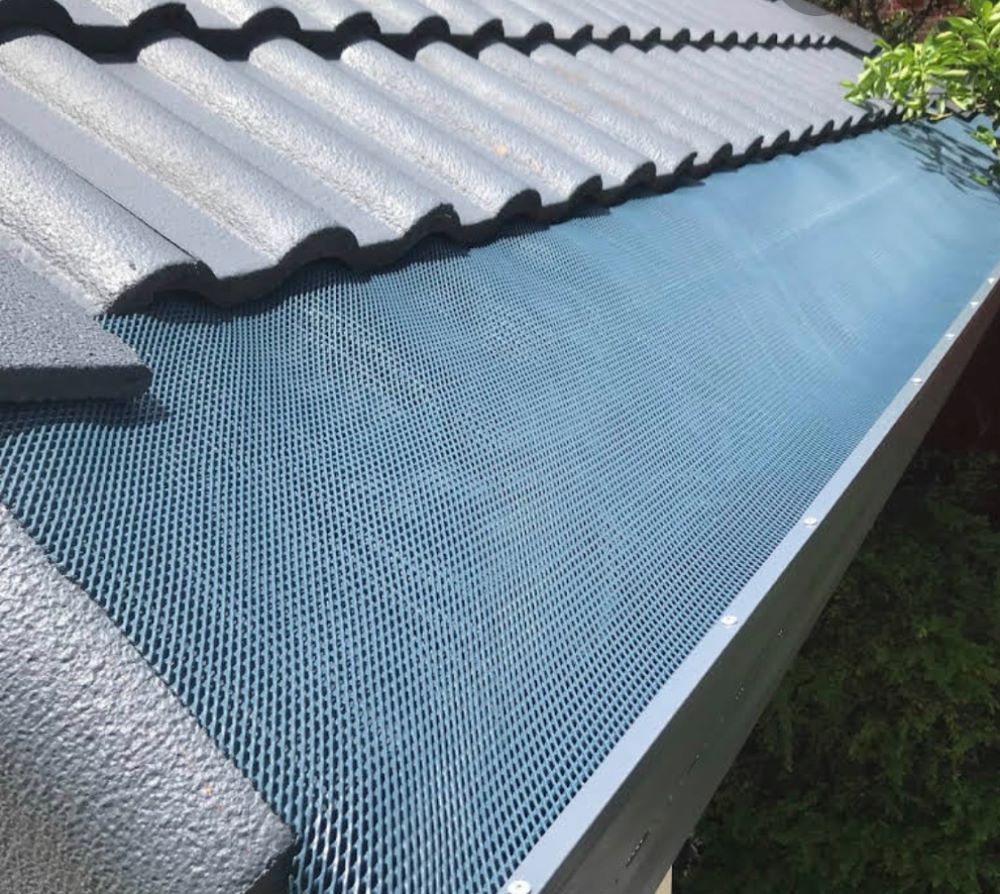
Gutter guards effectively prevent leaves, twigs, and other debris from infiltrating your gutters, thus helping to avert clogs and overflow, particularly in regions abundant with eucalyptus trees. They reduce maintenance demands and lessen the risks associated with ladder work, although they do not eliminate the necessity for occasional cleaning.
In bushfire-prone areas, gutter guards also provide a protective function; however, it is crucial that they conform to your Bushfire Attack Level (BAL) rating and are constructed from non-combustible materials.
Quality is essential; avoid inexpensive plastic or poly mesh options, as these can present fire hazards and ultimately be a false economy.
What Are Gutter Guards and How Do They Function?
Gutter guards, commonly known as leaf guards, gutter covers, or gutter screens, act as protective barriers installed over your gutters. Their primary purpose is to prevent leaves, twigs, dirt, and other debris from accumulating and causing blockages. While water continues to flow into the gutter, the guard effectively keeps debris out or allows it to shed off the top. In the Central Coast area, where eucalyptus trees and coastal winds consistently deposit litter, these guards can be the deciding factor between requiring an annual clean-out and experiencing clogged, overflowing gutters during storms.
The primary goal is straightforward: to keep gutters free from obstruction, ensuring that water is directed away from your roof, fascia, and foundation, rather than backing up and overflowing.
Exploring the Different Types of Gutter Guards
Gutter guards are available in various styles, each designed to tackle different debris types, suit various budgets, and accommodate different roofing structures:
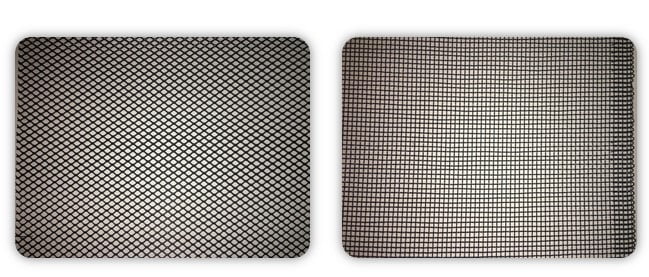
- Mesh guards — Constructed from metal or plastic mesh, these barriers effectively block smaller debris like leaves and twigs. They are a popular and cost-effective choice.
- Micro-mesh guards — A premium option featuring finer filtration that blocks nearly all debris. They tend to be more expensive and are best installed by professionals.
- Surface-tension (helmet-style) guards — These utilise surface tension to allow water to flow into the gutter while directing debris off the edge. Professional installation is recommended for optimal results.
- Flat-louvred screens and metal or plastic covers — Simpler coverings that efficiently shed larger debris.
- Ember guards — Made from fine metal mesh with small openings, these are specifically designed for bushfire protection, addressing unique concerns compared to standard leaf control (more details below).
How to Select the Ideal Gutter Guard for Your Home?
Choosing the right gutter guard entails several practical considerations. Evaluate the types of debris typically found around your property, the size of your gutters, the pitch of your roof, the material (metal is usually more durable than plastic), your maintenance preferences, and your budget. A guard that manages debris from a paperbark tree may not be effective with a pine tree. Seeking professional advice is preferable to relying on a guess from a hardware store.
The Significant Benefits of Installing Gutter Guards
A high-quality gutter guard provides numerous clear advantages:
- Prevents clogs and overflow — With debris unable to accumulate, water won’t back up under the roofline or spill over the edge, which can damage walls and foundations.
- Reduces maintenance and ladder work — With far less need for manual clearing, you also spend less time on a ladder, which significantly enhances safety during gutter maintenance.
- Extends the lifespan of gutters — By preventing moisture and debris build-up, guards reduce rust and corrosion, leading to a longer gutter life. They also alleviate the weight of wet debris that can pull gutters away from the fascia.
- Keeps rainwater cleaner — For those who collect rainwater, guards help ensure the water supply remains free from leaf litter and contaminants.
- Reduces pest problems — Less standing debris and water minimise nesting opportunities for birds, rodents, and insects, as well as decreasing mosquito breeding sites.
What Are the Consequences of Not Installing Gutter Guards?
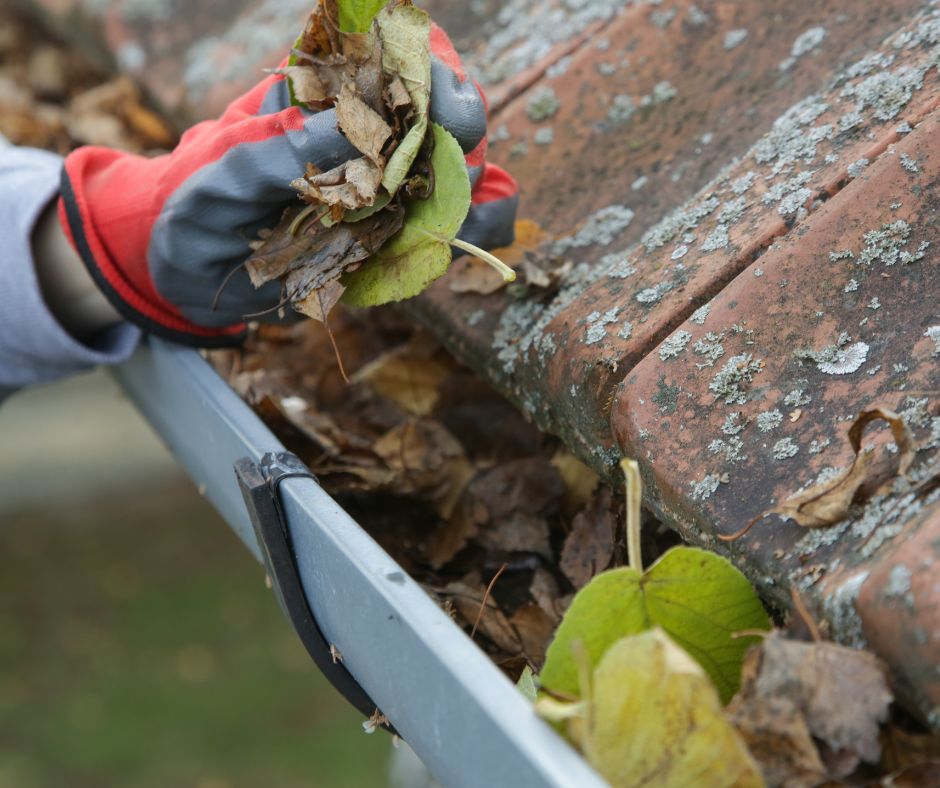
Neglecting gutter maintenance can result in progressively costly issues. Overflowing gutters can direct water into roof timbers, causing rot in fascia and battens. Over time, this may lead to internal water damage, foundation settling, and cracking due to pooling water, while creating breeding grounds for pests and mosquitoes in the accumulated debris. Heavy, waterlogged debris can also bend gutters or detach them from the house. The financial implications of such damage emphasise the importance of proactive gutter care.
Gutter Guards and Bushfire Safety: Ensuring Compliance with BAL Ratings
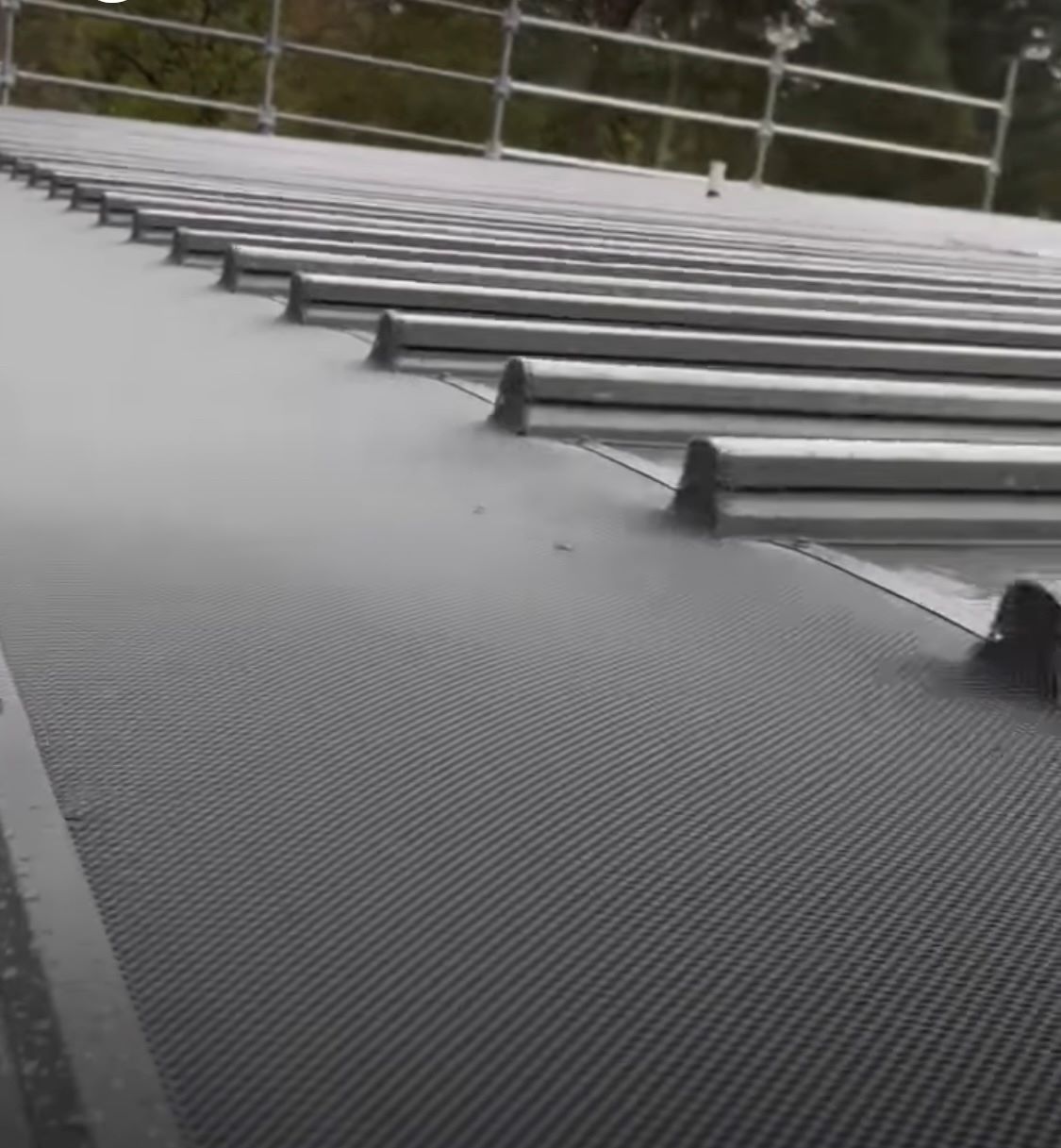
In bushfire-prone areas of the Central Coast, gutter guards are essential not only for preventing leaf accumulation; they play a critical role in your home’s ember protection strategy. Dry debris in gutters can ignite from embers. It is vital to ensure that the guard you select aligns with your risk level.
Bushfire protection in Australia adheres to the Bushfire Attack Level (BAL) system and standard AS3959. Key considerations include:
- Lower BAL ratings (BAL-LOW to BAL-19) can typically utilise standard guards.
- Higher BAL ratings necessitate fire-resistant, non-combustible materials.
- Flame zone (BAL-FZ) areas require specialised, certified guards designed for extreme conditions.
- For ember protection, non-combustible metal mesh with a fine aperture (approximately 1.9–2mm aluminium or stainless steel) is mandated, while plastic is unacceptable.
Getting this right is critical: plastic or poly mesh guards do not meet compliance standards in bushfire-prone areas and can present a significant fire hazard. If your property is situated in a BAL-rated zone, both the material and aperture of the guard are more crucial than the brand on the packaging.
Acknowledging the True Limitations of Gutter Guards
Here are the realities that reputable installers will often mention, which marketing frequently overlooks. No gutter guard provides 100% protection, and none makes your gutters entirely maintenance-free. Fine grit, decomposed leaf matter, and seeds can still infiltrate or accumulate on top, necessitating occasional inspections and cleaning, although less frequently than without a guard. High volumes of leaf litter, falling branches, and hail can also damage guards over time, making an annual inspection advisable.
Exercise caution with low-quality guards. Inferior plastic or poly mesh can degrade under sunlight, sag, and in bushfire zones, may pose more of a hazard than a help. Poor installation practices can create more problems than they resolve, such as allowing water to overflow or trapping debris underneath. Any claims of “never having to clean your gutters again” should be approached with scepticism, as such a promise is unrealistic for any guard currently available on the market.
Frequently Asked Questions About Gutter Guards
Are Gutter Guards a Worthwhile Investment?
For most homes on the Central Coast surrounded by trees, the answer is an emphatic yes. The benefits include fewer clogs, significantly reduced time and risks associated with ladder work, a longer lifespan for your gutters, and protection against costly water damage from blocked gutters. These advantages are particularly pronounced in areas with heavy leaf drop, such as those with eucalyptus trees, and for individuals who are uncomfortable or unable to climb ladders for gutter maintenance. While they do not eliminate maintenance entirely, a quality guard that is installed correctly typically offers savings that surpass its initial cost over time. In cases where gutter guards may be less effective, it is usually in homes with minimal tree overhang, where debris is scarce.
Will I Still Need to Clean My Gutters if Guards Are Installed?
Yes, but the frequency will be significantly reduced. No gutter guard can provide complete protection, meaning that fine grit, decomposed leaf matter, and seeds may still accumulate over time, and debris can settle on top of the guard. Routine inspections throughout the year are advisable, particularly after severe storms or high winds that may leave fallen branches and litter. The reality is that while guards greatly lessen the need for gutter cleaning, they do not eliminate it. Any claims that you will never have to clean your gutters again are overstated. A quick annual inspection can help ensure the system functions efficiently and detect any potential guard damage early.
What Type of Gutter Guard Should I Use in a Bushfire-Prone Area?
In a BAL-rated zone, you require a non-combustible guard that corresponds to your specific rating. Homes with lower BAL ratings (up to BAL-19) can generally use standard guards; those with higher ratings demand fire-resistant materials; and properties in flame zones (BAL-FZ) require specialised certified products. For ember protection, the standard specifies the use of fine metal mesh, with apertures of around 1.9–2mm made from aluminium or stainless steel, and never plastic. Plastic or poly mesh does not comply with regulations in bushfire-prone areas and is considered a fire risk. Given the serious implications of making the wrong choice, it is prudent to confirm your BAL rating and ensure your guard is appropriately matched. We can provide guidance on compliant options tailored to your home’s rating during an inspection.
Can Gutter Guards Cause Damage to My Roof or Void Warranties?
Not if they are installed correctly using the appropriate product for your roof type. Risks arise from poor installation or the use of substandard materials, which can lead to guards lifting tiles or sheets, blocking airflow, or causing water to overflow. This is why professional installation is often more crucial than the guard itself. A skilled installer will align the guard with your roof pitch, gutter profile, and debris type, ensuring water continues to flow freely into the gutters. When installed properly, a guard protects both the roof and gutter system; however, improper installation can trap debris and moisture, leading to damage. It is essential to get both the product and installation correct.
Can I Have Gutter Guards Installed Alongside Other Roof Work?
Yes, and this is often the most efficient time to install them. If you are already undergoing a re-roofing project, a tile-to-metal conversion, or gutter and fascia work, adding guards while the team is on-site can save you the hassle of scheduling a separate job later. Well-maintained gutters contribute to a healthy roof; corroded gutters can indicate potential issues for the roof itself, making it wise to address both simultaneously. We will discuss whether combining the work is feasible for your situation during the inspection.
Final Considerations on Gutter Guards
For homeowners in the Central Coast region, investing in a quality gutter guard is generally a sound decision, particularly in areas prone to significant leaf fall or for those unable to manually clean gutters. Approach the decision with realistic expectations: choose a metal guard that aligns with your roof and BAL rating, anticipate the need for occasional checks rather than expecting complete maintenance freedom, and steer clear of cheap plastic mesh and any claims of “never cleaning again.” The ideal guard for your home will depend on the types of trees surrounding your property, the architecture of your roof, and your bushfire risk, which is precisely what an inspection will help clarify.
AWS Roofing can recommend compliant options that are properly fitted for homes across the Central Coast.
Original Article First Published At: Gutter Guards: Are They Beneficial?
The Article: Gutter Guards: Are They Worth the Investment? first appeared on https://writebuff.com
The Article Gutter Guards: Evaluating Their Investment Value Was Found On https://limitsofstrategy.com
The Article Gutter Guards: Assessing Their Worth as an Investment found first on https://electroquench.com