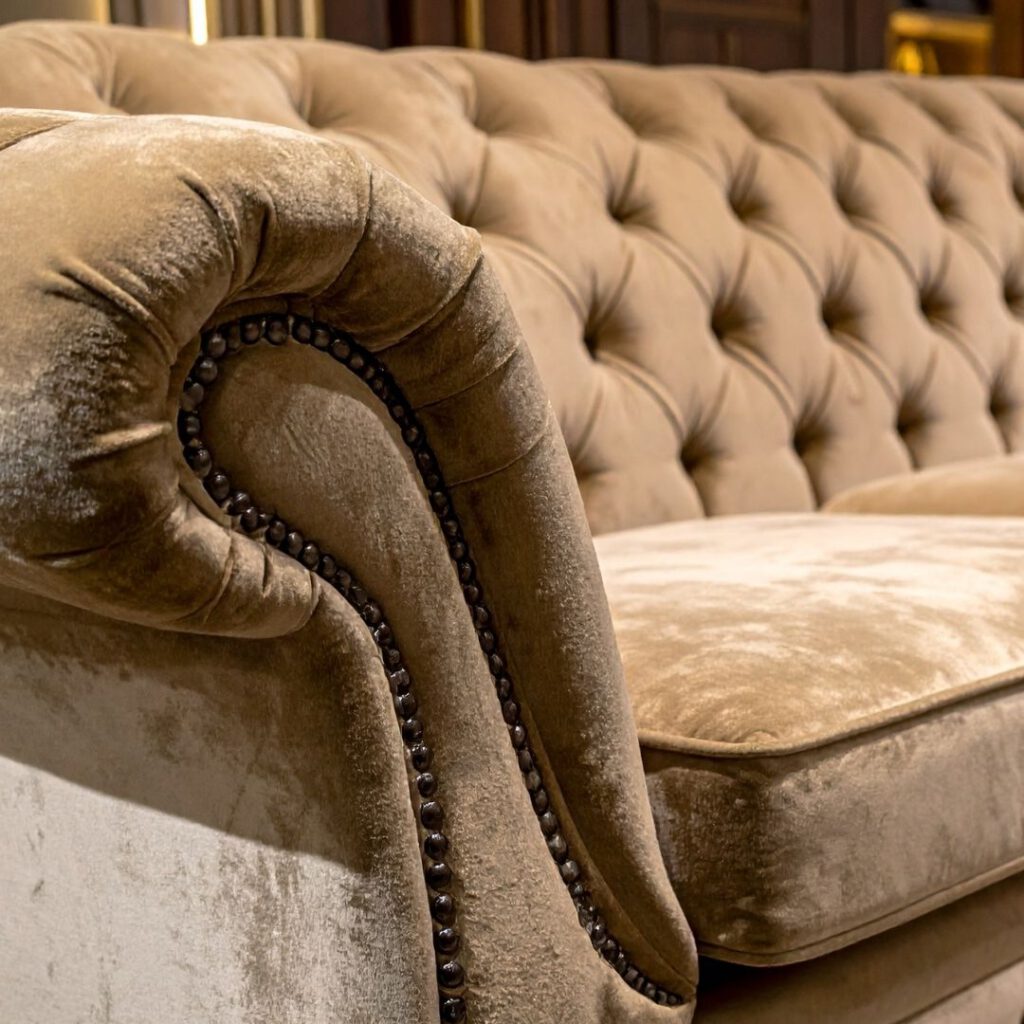
This comprehensive guide is tailored for Sydney homeowners who possess velvet sofas or armchairs. It offers essential advice on maintaining that opulent, lustrous finish while steering clear of issues like crushed patches and unsightly watermarks. Velvet, although undeniably a sophisticated fabric, demands careful handling. Much of the damage that occurs on velvet furniture typically stems from cleaning mistakes made in mere moments.
Essential Tips: Always vacuum velvet delicately in the direction of the pile, quickly blot any spills without rubbing, and aim to keep it as dry as possible. The three major pitfalls to avoid when caring for velvet include rubbing (which crushes the pile), over-wetting (leading to water rings), and neglecting to restore the pile to its original position after drying. Given that many velvet materials are sensitive to moisture, any set-in stains should ideally be addressed by a professional.
Here’s a thorough exploration of effective velvet cleaning methods and the three crucial mistakes to avoid.
What Factors Contribute to Velvet Showing Marks So Easily?
Quick Insight: Velvet consists of a pile fabric made up of countless tiny upright fibres. Any action that flattens or dampens those fibres becomes readily apparent.
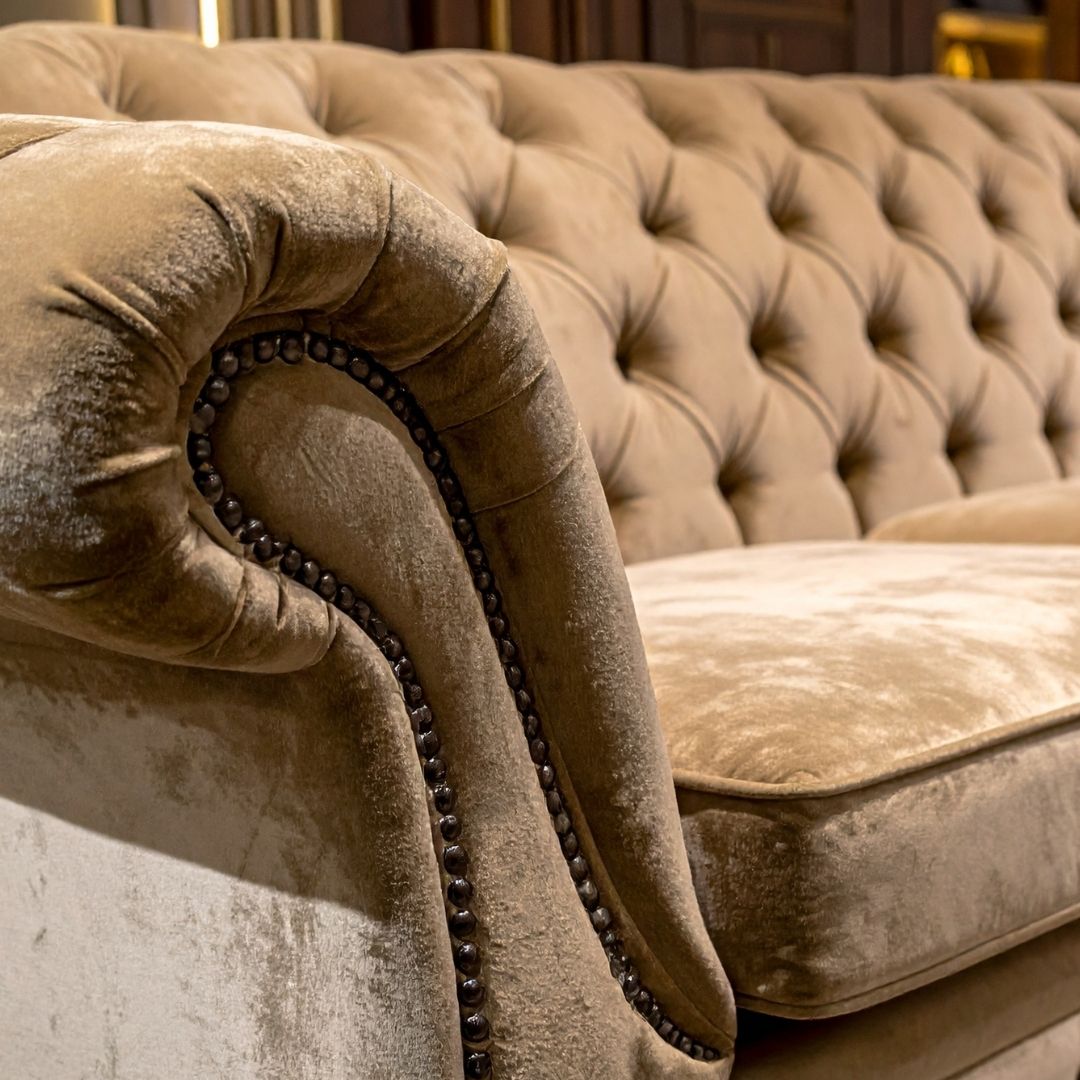
The luxurious aesthetic of velvet is derived from its dense pile of short fibres that stand upright from the backing. This structure allows for uniform light reflection, producing its signature rich sheen. When the pile is compressed in one direction, it alters how light interacts with the surface, creating a discernible mark, even in the absence of discolouration. The presence of moisture exacerbates this issue; many velvet fabrics are labelled S (solvent only), indicating that water can create a ring as it dries. many velvet fabrics contain viscose, which is particularly susceptible to moisture damage.
What Are the Three Most Common Mistakes That Diminish Velvet’s Appeal?
Quick Summary: Rubbing, excessive moisture, and neglecting to groom the pile post-cleaning are the primary contributors to lasting damage.
Mistake 1: Rubbing or Scrubbing Stains. This is the most significant error. Scrubbing flattens the pile in certain areas, altering light reflection and leaving behind a dull, crushed mark even after the stain has been removed. Always remember to blot and refrain from rubbing.
Mistake 2: Over-Wetting the Fabric. Excessively saturating velvet to eliminate a stain forces moisture into the backing, resulting in a drying ring. For S-coded or viscose velvet, even plain water can be detrimental. Always use the minimum amount of liquid necessary to ensure safety.
Mistake 3: Allowing Velvet to Dry Without Grooming. If velvet dries with the pile pointing in various directions, it will appear patchy and uneven. After cleaning, gently brush the pile back into a uniform direction while it remains damp.
What Are the Best Methods for Safely Cleaning Velvet at Home?
Quick Guidelines: Vacuum with a soft brush in the direction of the pile, promptly blot spills, and groom the pile following any damp cleaning.
Step 1: Always check the care tag first. Most velvet fabrics are labelled S or W-S; if it is S or X, avoid using water. Consult our guide on fabric codes to understand the implications of W, S, W-S, and X.
Step 2: Vacuum carefully using a soft brush attachment, moving in the direction that the pile naturally lies. Avoid using a beater bar.
Step 3: Blot any spills immediately with a clean, dry cloth. Press and lift without wiping across the pile.
Step 4: If the care label allows for the use of a cleaner, apply the smallest possible amount on an inconspicuous area first. Then, gently brush the pile back into its original direction and allow it to dry. If the stain persists, cease attempts and consult a professional.
When Is It Necessary to Call in a Professional Cleaner?
Quick Note: Any water ring, crushed patch, set-in stain, or extensive cleaning required for velvet should be managed by a professional.
We have specialised in velvet restoration since 1983. Our low-moisture cleaning technique prevents pile saturation, controls drying, and grooms the pile to maintain its consistent sheen. This method is essential for addressing crushed or watermarked velvet. We provide the same meticulous care to showroom velvet for retailers such as Freedom, Lounges Plus, and Strictly Comfort, where a marked display piece is unacceptable. You can explore our services on our furniture cleaning page. Consider our fabric protection options (starting from $44 per seat) to enhance new velvet’s resistance to spills.
Crucial Tips for Maintaining Velvet
Safeguard your velvet!
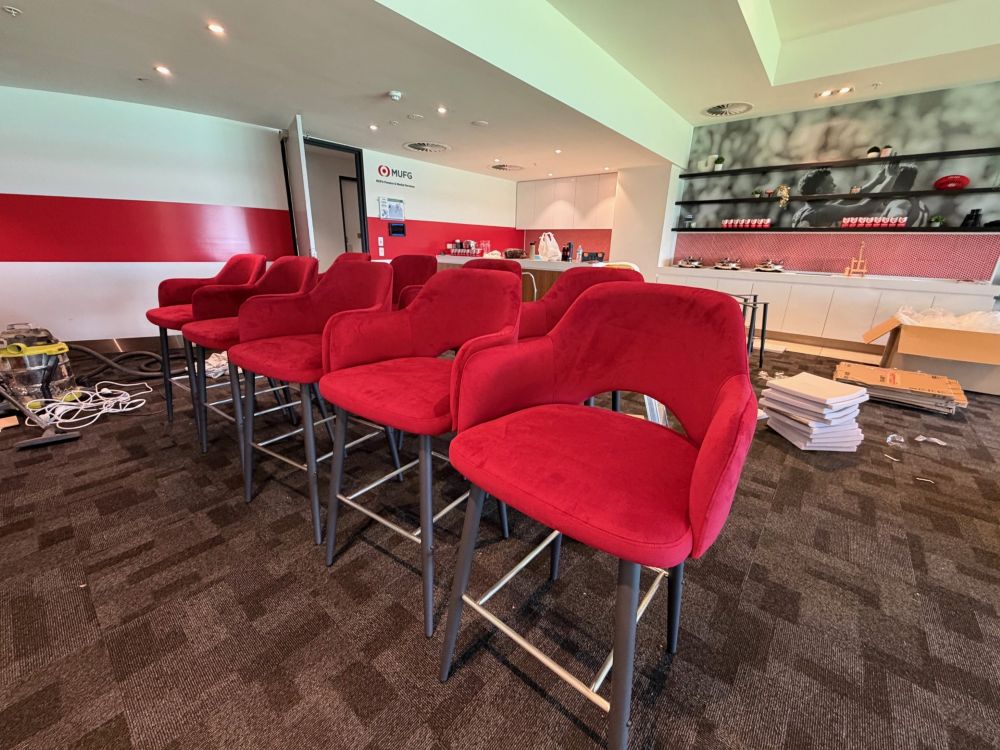
We recently applied fabric protection in a corporate setting at the SCG, where all the furniture was red velvet. This treatment will shield the fabric from stains throughout the entire season and prevent UV fading, particularly since the couches are positioned near large windows. Investing in fabric protection is one of the most prudent decisions you can make for your furniture.

Frequently Asked Questions About Velvet Care
What are the safest cleaning methods for a velvet sofa to prevent damaging the pile?
Gently vacuum with a soft brush in the direction of the pile. Promptly blot spills without rubbing and keep the fabric as dry as possible. After any damp cleaning, brush the pile back in one direction while it is still damp to ensure even drying. Always consult the care label first; most velvet fabrics are either S or W-S and sensitive to moisture, so addressing set-in stains is best left to a professional.
Can water rings be removed from velvet?
In some instances, yes, but it requires the correct technique. Water rings form when velvet is oversaturated and dries unevenly, which is common with S-coded and viscose fabrics. A professional low-moisture re-cleaning and controlled drying can often help to diminish the mark, although results are not guaranteed once set. The most effective strategy is to prevent over-wetting velvet in the first place.
Why does my velvet sofa have patchy or shiny spots?
Patchy or shiny areas on velvet are typically caused by a crushed pile. The fibres have become flattened in one direction, often due to rubbing, scrubbing, or prolonged sitting. Because velvet reflects light differently based on the direction of the pile, any change becomes noticeable as a mark, even in the absence of stains. A professional can often groom and lift the pile, but the best prevention strategy is to avoid rubbing.
Is steam cleaning safe for velvet fabrics?
Generally, no. Most velvet is classified as S or is a viscose blend, both of which are highly vulnerable to moisture. Steam or wet cleaning can result in water rings and damage to the pile. A professional low-moisture method is significantly safer. Always check the fabric code, and if it is S or X, keep it entirely dry. Feel free to contact us at 1300 360 824 if you have any uncertainties regarding your fabric.
What Are the Final Recommendations for Velvet Maintenance?
Caring for velvet necessitates a gentle touch. Always blot stains instead of rubbing, keep the fabric dry, and brush the pile back into position. Mastering these techniques will help ensure your velvet furniture remains stunning for years to come. If you have concerns about a ring or crushed patch, reach out to us at <a href="https://writebuff.com/clean-a-boucle-couch-without-flattening-the-loops/">1300 360 824</a> before attempting any DIY repairs.
Original Article First Published At: How to Clean a Velvet Sofa — and the 3 Mistakes That Crush the Pile
The Article: Clean a Velvet Sofa: Avoid These 3 Common Mistakes first appeared on https://writebuff.com
The Article Clean a Velvet Sofa: 3 Mistakes to Avoid Was Found On https://limitsofstrategy.com
The Article Clean a Velvet Sofa: Avoid These 3 Common Mistakes found first on https://electroquench.com