The Therapeutic Benefits of Cat Purring: Understanding the Science
What Impact Do Cat Vibrations Have on Our Mental and Physical Health?
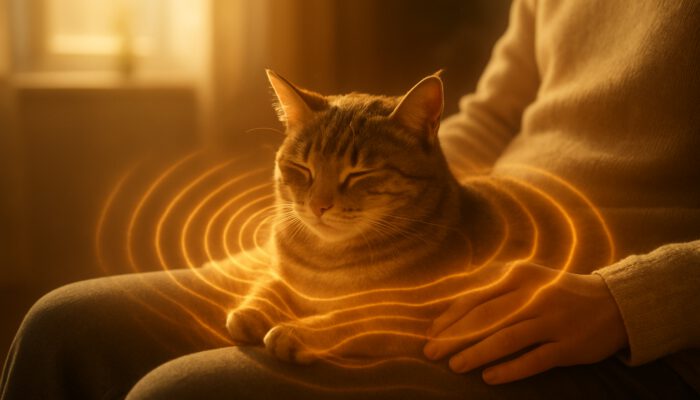
The phenomenon of cat purring generates rhythmic vibrations that typically oscillate within a low-frequency range of 25 to 150 Hertz. These frequencies profoundly influence our physical and emotional states, promoting a sense of calm and facilitating recovery. Research has shown that exposure to these specific frequencies can initiate various healing processes and enable relaxation for both cats and humans. The intricate structure of a cat's larynx allows for this soothing sound, produced during both inhalation and exhalation, creating a continuous auditory experience that nurtures a sense of peace.
The physiological effects of these vibrations extend beyond mere auditory enjoyment. Studies indicate that these vibrations may stimulate the release of endorphins and other vital neurotransmitters essential for emotional stability. This natural response can lead to reduced stress levels and an overall enhanced sense of well-being. The comforting presence of a purring cat has been noted in various settings, from domestic spaces to therapeutic environments, where the gentle sound offers emotional support and solace to those nearby.
Regular exposure to these low-frequency vibrations fosters a deep sense of safety and security. This aspect becomes particularly significant in times of stress, as the rhythmic sound acts as a stabilising force, helping individuals to relax and discover inner tranquillity. By grasping the physiological mechanisms behind cat purring, we can fully appreciate its considerable impact on our emotional health.
What Role Do Sound Frequencies Play in Alleviating Stress?
The sound frequencies produced by a cat's purring, particularly those around 25 Hertz, have been linked to lower stress levels in humans. Research indicates that these frequencies can effectively reduce cortisol levels, the hormone closely connected with stress. When individuals share intimate moments with their cats, the calming sounds of purring can foster a serene atmosphere, leading to better mental health outcomes. This effect is especially crucial in today's fast-paced world, where efficient stress management is vital for overall well-being.
The soothing nature of purring is evident in everyday life. Numerous cat owners report a significant sense of tranquillity when their furry companions curl up next to them, purring gently. This is not simply anecdotal; it aligns with scientific findings that demonstrate how sound frequencies can impact physiological responses, creating a cycle of calmness and comfort.
The advantages of these frequencies extend beyond immediate relaxation. Prolonged exposure to the soft sounds of purring can foster lasting improvements in emotional stability. Cat purring provides a valuable resource for individuals seeking to manage stress and improve their quality of life through simple, everyday interactions with their beloved pets.
In What Ways Does Daily Exposure to Purring Improve Emotional Health?
Integrating daily exposure to cat purring into one’s lifestyle can significantly bolster emotional stability. Regular moments spent listening to the calming effects of purring can easily fit into daily routines, nurturing a profound sense of well-being without the need for special settings or equipment. This can be as straightforward as dedicating quiet moments each day to relax with a cat, allowing the soothing vibrations to fill the space.
Establishing a consistent routine around these interactions can amplify the benefits. For example, many cat owners find that spending quality time with their pets while reading, meditating, or unwinding at the end of the day enriches their relaxation experience. This daily ritual not only strengthens the bond between the owner and cat but also enhances the calming effects associated with purring, culminating in a mutually beneficial practice that supports emotional health.
The accessibility of this calming method makes it attractive to a broad audience. Unlike other stress-relief techniques that may necessitate specific environments or tools, the presence of a purring cat can be appreciated anywhere. This ease of integration into daily life highlights the practicality of utilising feline companionship for emotional support and stress alleviation.
What Are the Medical Applications of Cat Purring in Therapeutics?
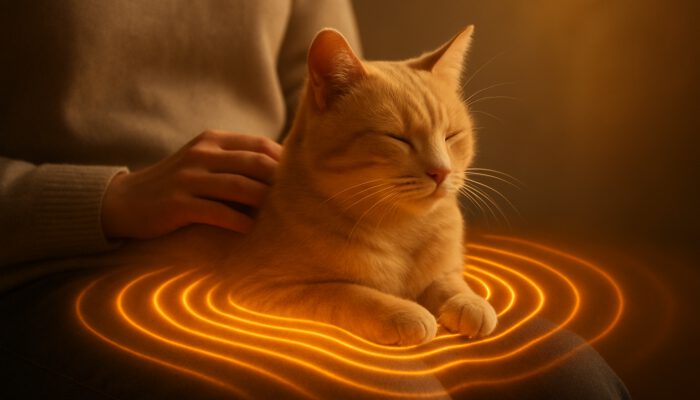
Research into the frequencies associated with cat purring reveals promising medical applications in human healthcare. Studies suggest that the low-frequency vibrations produced by cats may mimic therapeutic ultrasound techniques used in physical rehabilitation. These vibrations can aid in the healing of bones and muscles, sparking interest in their potential applications for conditions like osteoporosis and muscle atrophy.
The therapeutic possibilities of purring extend beyond physical recovery. The soothing effects of these vibrations may also contribute to improved mental health, making them a valuable component of holistic treatment strategies. For example, incorporating purring into therapy sessions could enhance relaxation and emotional processing for individuals dealing with anxiety or trauma, providing a unique and comforting auditory backdrop that supports healing.
As research continues to explore the benefits of feline purring, opportunities may arise to develop innovative therapies that harness these natural sounds. This could lead to the creation of new wellness products or therapeutic programmes that utilise the calming effects of purring, ultimately enhancing the quality of life for many individuals seeking alternative methods for stress relief and recuperation.
How Do Purring Patterns Vary Among Different Feline Species?
While domestic cats are well-known for their purring abilities, other feline species also exhibit similar behaviours. Larger felines, such as cheetahs and cougars, produce purring sounds, especially when they are at rest or content. This suggests that the ability to purr serves essential biological functions that have been preserved throughout the evolutionary history of the cat family.
The similarities in purring behaviours across various feline species emphasise the importance of this behaviour in their social and emotional lives. For instance, purring in larger cats may help maintain social bonds within their groups, just as it does for domestic cats with their human companions. This shared trait highlights that the calming effects of purring extend beyond domestic settings and are critical for feline communication and emotional expression across different species.
Understanding these variations enhances our appreciation of the role of purring in all felines' lives. As we delve into the calming effects of purring, it becomes clear that this behaviour is not merely a quirk of domestic cats but a vital aspect of the feline experience, contributing to well-being and emotional health in diverse contexts.
How Does Purring Enhance Human Well-being?
In What Ways Does Purring Influence Breathing and Heart Rate Responses?

Exposure to the gentle vibrations of cat purring is often linked to slower breathing rates and more stable heart rhythms. This physiological response helps individuals achieve deeper states of relaxation, particularly during serene moments at home. The calming vibrations produced by purring create a tranquil environment, making it easier for people to unwind and release the stresses of the day.
When a cat purrs, the soft vibrations stimulate the parasympathetic nervous system, which encourages relaxation and alleviates stress. This activation leads to lower heart rates and reduced blood pressure, contributing to an overall sense of calm. Many cat owners report feeling more grounded and at ease in the presence of a purring cat, especially after a long and taxing day.
Incorporating purring into daily routines can further enhance these benefits. For instance, spending quiet time with a cat during mindfulness or meditation practices can amplify the calming effects. This combination not only promotes relaxation but also strengthens the bond between the cat and its owner, enriching their overall experience of well-being and emotional connection.
How Do Hormone Levels Change in Response to Cat Purring?
Purring may stimulate the release of positive hormones that counteract daily stresses, leading to improved mood stability and reduced anxiety over time. The auditory and physical presence of a purring cat can trigger the production of oxytocin, a hormone associated with bonding and emotional connection. This hormonal response fosters feelings of happiness and contentment, making interactions with cats a natural remedy for stress and emotional turmoil.
Research indicates that spending time with pets, particularly cats, can lower levels of cortisol, the hormone linked to stress. By incorporating purring into daily life, individuals may cultivate a more balanced hormonal environment, contributing to enhanced emotional health. This is increasingly relevant in today’s fast-paced world, where effective stress management is essential for maintaining well-being.
The positive hormonal adjustments facilitated by purring can have lasting effects on mental health. Regular interactions with a purring cat can help individuals develop resilience against anxiety and depression, fostering a more stable emotional state. The calming effects of purring extend beyond immediate relaxation, offering a pathway to long-term emotional wellness.
What Impact Does Purring Have on Sleep Quality?
Incorporating purring into evening routines often supports quicker sleep onset and more restorative sleep cycles. The soothing sound of a cat purring can create a calming atmosphere conducive to relaxation, enabling individuals to drift off to sleep more easily. Many cat owners find that their pets’ purring acts as a natural lullaby, aiding the transition from the day's busyness to a restful night.
The calming vibrations produced by purring can also enhance sleep quality. Research suggests that exposure to low-frequency sounds can facilitate deeper stages of sleep, leading to more restorative rest. Improvements in sleep quality can significantly impact daytime functioning, including increased energy levels and better mood regulation throughout the day.
Establishing a bedtime routine that includes time spent with a purring cat can further amplify these benefits. By creating a relaxing atmosphere and fostering a sense of security, individuals can optimise their sleep experience. This simple practice not only promotes better sleep but also strengthens the bond between cats and their owners, making it a mutually enriching approach to well-being.
Expert Insights on the Therapeutic Advantages of Cat Purring
How Does Purring Compare to Vibration Therapy Techniques?
Expert evaluations suggest that the vibrations produced by purring closely resemble established therapeutic vibration techniques utilised for stress relief and physical recovery. Many healthcare professionals acknowledge the potential of low-frequency vibrations to stimulate healing processes within the body. Cat purring, characterised by its rhythmic and soothing vibrations, offers a natural alternative that can effectively complement conventional therapies.
Research demonstrates that vibration therapy can enhance muscle recovery, improve circulation, and promote relaxation. Similarly, the vibrations generated by a purring cat may yield comparable effects, providing a gentle yet effective means of stress relief. This connection underscores the therapeutic potential of purring, positioning it as a valuable resource for individuals seeking holistic wellness.
Veterinarians and animal behaviourists frequently observe the calming effects of purring during their interactions with feline patients. These professionals note that the soothing sound can help alleviate anxiety in cats during veterinary visits, further highlighting the therapeutic nature of purring. By drawing parallels between feline purring and established vibration therapies, experts emphasise the importance of this natural phenomenon in enhancing both emotional and physical well-being.
What Methods Are Used to Study Cat Behaviour?
Real-world observations of feline interactions yield measurable calming outcomes based on professional veterinary and behavioural assessments. Experts often note that when cats purr, they display relaxed body language, such as kneading or slow blinking. These behaviours signal comfort and trust, reinforcing the emotional bond between cats and their human companions.
Veterinary professionals have documented instances where purring serves as a form of self-soothing for cats in stressful situations. For example, during examinations or treatments, cats permitted to purr often exhibit fewer signs of anxiety and discomfort. This observation underscores the importance of creating a calming environment for both cats and their owners, highlighting the therapeutic value of purring.
Behavioural studies suggest that cat owners who regularly engage with their pets experience reduced stress levels. The calming effects of purring can enhance these interactions, nurturing a sense of security and companionship. By incorporating purring into daily life, individuals can benefit from the emotional support that cats provide, ultimately improving their overall well-being and quality of life.
What Long-Term Health Benefits Can Cat Purring Offer?
Monitoring personal responses to purring over extended periods can optimise its integration into wellness practices. Individuals who consistently spend time with purring cats may notice significant improvements in their emotional and physical health. By tracking changes in stress levels, mood stability, and overall well-being, people can gain a deeper understanding of the profound impact of feline companionship on their lives.
Establishing consistent routines that incorporate purring can amplify these long-term benefits. For example, dedicating specific time each day to relax with a cat can create a positive feedback loop, reinforcing feelings of calm and security. This practice not only strengthens the bond between cats and their owners but also fosters sustained emotional balance and mental clarity.
As individuals become more attuned to the calming effects of purring, they may discover new ways to leverage this experience for effective stress management. Through mindful interactions or by creating a soothing atmosphere, the potential for long-term health benefits is substantial. By embracing the calming effects of purring, individuals can deepen their connection with their feline companions while enhancing their overall quality of life.
What Neurological Effects Are Associated with Cat Purring?
Various neurological studies have explored the specific frequencies of feline purring and their direct impact on human brain activity. Research indicates that exposure to low-frequency sounds, such as those produced by purring, can activate brain regions associated with relaxation and emotional regulation. This connection highlights the significant influence that purring can have on mental well-being during interactions with cats.
Experts in neuroscience have noted that the calming vibrations of purring can affect stress hormone levels, promoting tranquillity. By examining brain activity in response to purring, researchers have uncovered evidence suggesting that these sounds can encourage relaxation and emotional stability. This insight reinforces the potential for purring to serve as a therapeutic tool in managing stress and anxiety, providing a natural means of enhancing mental health.
The neurological benefits of purring extend beyond immediate relaxation. Prolonged exposure to the calming effects of purring may bolster emotional resilience and overall mental health. As research continues to investigate the intricate relationship between sound frequencies and brain activity, the significance of feline purring as a means of improving human well-being becomes increasingly evident.
What Evidence-Based Benefits Does Cat Purring Provide?
Examining Clinical Research on Cat Purring
Expert evaluations of peer-reviewed studies reveal a strong correlation between regular exposure to cat purring and decreased cortisol levels. Research has demonstrated that individuals who interact with purring cats experience significant reductions in stress indicators, leading to improved emotional regulation. These findings underscore the therapeutic potential of purring as a natural method for enhancing mental health and emotional stability.
In one notable study, participants who spent time with purring cats reported lower levels of anxiety and enhanced mood stability. The calming effects of purring were measured through various physiological markers, including heart rate and cortisol levels, demonstrating the tangible benefits of feline companionship. These results support the notion that purring can be an effective strategy for managing stress and promoting emotional well-being.
Ongoing research continues to explore the broader implications of purring on human health. As scientists investigate the physiological and psychological effects of cat purring, the potential for developing innovative therapies that leverage these benefits becomes increasingly promising. This research not only highlights the significance of feline companionship but also opens doors to new approaches to mental health and overall wellness.
How Are Calming Effects Evaluated in Research Studies?
Research methodologies often monitor physiological indicators before and after purring sessions to uncover consistent patterns of relaxation across diverse participant groups. These studies typically assess variables such as heart rate variability, cortisol levels, and self-reported stress levels to evaluate the impact of purring on emotional well-being. This rigorous framework ensures that the calming effects of purring are quantified and understood within a scientific context.
In many studies, participants engage in controlled interactions with purring cats, allowing researchers to observe changes in their physiological responses. For instance, participants frequently report feeling more relaxed and at ease after spending time with a purring cat, corroborated by measurable changes in their stress markers. This comprehensive approach offers valuable insights into the therapeutic potential of purring and its role in enhancing emotional health.
The findings from these studies contribute to a growing body of evidence supporting the use of feline companionship as a means of improving mental health. By systematically measuring the calming outcomes associated with purring, researchers can better understand how these interactions can be incorporated into therapeutic practices and daily life for optimal well-being.
How Can Research Findings Be Applied in Daily Life?
Applying research conclusions in home settings can maximise the calming effects of cat purring through structured listening habits. Individuals looking to leverage the benefits of purring can establish routines that incorporate time spent with their feline companions. For instance, setting aside specific times for relaxation with a cat can enhance emotional well-being and promote stress relief.
To enrich interactions, individuals can explore listening to recorded purring sounds during daily activities. Enjoying these soothing sounds while working or commuting can provide similar calming benefits, supporting mental clarity and reducing stress levels. This flexibility allows individuals to integrate the calming effects of purring into various aspects of their lives, making it both accessible and advantageous.
Creating an environment that encourages positive interactions with cats can amplify the benefits of purring. This may involve setting up comfortable spaces for relaxation or engaging in activities that foster bonding, such as play or grooming. By actively incorporating the calming effects of purring into daily life, individuals can experience enhanced emotional stability and overall well-being.
What Emotional Connections Are Strengthened Through Cat Purring?
How Does Purring Foster Trust and Attachment?
Purring cultivates mutual trust between cats and humans, thereby reinforcing relational ties that contribute to lasting feelings of security and companionship. The soothing sound of a cat purring instills a sense of comfort, allowing individuals to feel more connected to their feline friends. This bond is essential for emotional resilience, providing support during challenging times.
The act of petting a purring cat can also enhance feelings of attachment. Research indicates that physical touch, combined with the calming effects of purring, can stimulate the release of oxytocin, further solidifying the emotional connection between cats and their owners. This reciprocal exchange of comfort and affection creates a nurturing environment that benefits both parties, reinforcing the importance of companionship for emotional health.
The emotional bonds formed through purring extend beyond individual relationships. Communities of cat owners frequently share experiences and stories about their pets, fostering a sense of belonging and support. This social aspect of feline companionship underscores the broader impact of purring on emotional well-being, highlighting its role in nurturing connections among people and their pets in a shared journey of love and care.
What Mechanisms Facilitate Mood Enhancement Through Purring?
The calming effects of purring in cats can elevate positive emotions, helping to alleviate temporary sadness or irritability. The soothing sound of a cat purring serves as a form of emotional support, providing comfort during difficult moments. Many individuals report feeling uplifted and more relaxed after spending time with a purring cat, reinforcing the mood-enhancing potential of this behaviour.
Research suggests that the auditory stimulation from purring can influence brain activity linked to positive emotions. The vibrations generated by purring may activate brain regions responsible for emotional regulation, leading to improved mood and reduced feelings of anxiety. This connection highlights the significance of feline companionship as a natural means of enhancing emotional well-being and promoting mental clarity.
The mood enhancement associated with purring can yield lasting effects. Regular interactions with purring cats can help individuals build resilience against stress and negative emotions. By cultivating a positive environment through the calming effects of purring, individuals can enhance their overall quality of life and emotional health, contributing to a more fulfilling existence.
How Does Purring Improve Social Interactions?
Shared experiences involving purring foster more frequent positive interactions, building emotional resilience and interpersonal warmth in daily life. Engaging with a purring cat can act as a catalyst for social connections, as individuals often find joy in sharing their experiences with others. This communal aspect of feline companionship highlights the broader impact of purring on social well-being, encouraging connections within communities.
Research indicates that pet ownership can enhance social interactions, as people are more inclined to engage with others when accompanied by a pet. The calming effects of purring can facilitate these interactions, creating a welcoming atmosphere for socialisation. This phenomenon is particularly relevant in community settings, where cat owners can bond over their shared affection for their pets and the joy they bring.
The emotional support provided by purring cats can strengthen relationships among family members and friends. The shared experience of caring for a cat and enjoying its calming presence can foster deeper connections, enhancing overall emotional well-being. By integrating the calming effects of purring into social interactions, individuals can cultivate a sense of belonging and support within their communities, enriching their lives and those around them.
What Practical Strategies Can Be Employed to Experience the Calming Effects of Cat Purring?
How to Create Optimal Listening Environments for Cat Purring?
Setting aside tranquil moments for close contact with cats allows the calming effects of purring to unfold naturally. Creating a serene environment can enhance the experience, making it easier for individuals to relax and fully engage with their feline companions. This can involve designating specific areas in the home for relaxation that are free from distractions and noise, ensuring a peaceful atmosphere.
During these tranquil times, individuals can engage in activities that promote bonding, such as gentle petting or simply lying down with their cat. This close contact not only amplifies the calming effects of purring but also strengthens the emotional connection between the cat and its owner. The shared experience of tranquillity fosters a sense of security and comfort, benefiting everyone involved in this heartwarming interaction.
Incorporating calming elements into the environment can further enhance the overall experience. Soft lighting, comfortable seating, and soothing scents can create a peaceful atmosphere that complements the calming effects of purring. By thoughtfully designing these listening environments, individuals can maximise the benefits of purring and encourage emotional well-being, making each interaction with their cat deeply fulfilling.
What Primary Advantages Does Purring Provide for Respiratory Health and Mood Stability?
Integrating purring into daily routines can yield numerous benefits for respiratory health and mood stability. Here are some key advantages to consider:
- Lower heart rate and blood pressure during interactions
- Improved lung function through relaxed breathing patterns
- Enhanced emotional regulation and mood stability
- Increased feelings of safety and security
- Reduced anxiety and stress levels
- Strengthened bond between cats and their owners
- Encouragement of mindfulness and relaxation practices
- Promotion of overall emotional well-being
Simple adjustments, such as comfortable seating positions and a quiet environment, can amplify the soothing impact during regular sessions. By actively engaging with purring cats in a mindful manner, individuals can experience profound benefits for both their mental and physical health, creating a harmonious environment that nurtures well-being.
How Can Daily Routines Incorporate Purring?
Establishing consistent interaction times helps embed the calming effects of purring into lifestyles. By creating a routine that includes dedicated moments with a cat, individuals can foster stability and emotional well-being. This can be as straightforward as setting aside time each day to relax with a purring cat, allowing the soothing vibrations to become a regular part of life.
Incorporating purring into daily habits can also enhance mindfulness practices. For instance, engaging in meditation or deep breathing exercises while listening to a cat purr can amplify the calming effects, promoting relaxation and emotional balance. This combination creates a holistic approach to well-being, leveraging the natural advantages of feline companionship to improve quality of life.
Encouraging family members or friends to participate in these routines can enhance social connections and support networks. Sharing the experience of spending time with a purring cat can foster deeper relationships, creating a sense of community around the calming effects of purring. By making these practices a regular part of daily life, individuals can cultivate ongoing mental and emotional ease, enriching their lives and those of others.
How to Use Recorded Purring Sounds for Calmness?
Listening to recorded cat purring sounds during work breaks or while commuting can provide similar calming benefits when live interactions with cats are not feasible. These recordings serve as a convenient way to integrate the soothing effects of purring into various daily settings, assisting with stress reduction and mental clarity.
Many individuals find that listening to purring sounds can create a tranquil atmosphere, enhancing focus and productivity. This auditory stimulation helps alleviate feelings of anxiety and promotes relaxation, making it a valuable tool for managing stress in busy environments. By utilising recorded purring, individuals can experience the calming effects of cats even when they cannot be physically present with their pets.
Incorporating recordings of purring sounds into daily routines can encourage mindfulness and relaxation practices. For instance, playing these recordings during meditation or yoga sessions can amplify the calming effects, creating a serene environment conducive to emotional well-being. By leveraging the soothing sounds of purring, individuals can enhance their overall quality of life and foster a deeper connection to their mental health and emotional stability.
Common Questions About the Benefits of Cat Purring
What specific calming effects can I expect from cat purring?
The calming effects of cat purring include reduced stress levels, improved mood stability, and enhanced emotional well-being. The soothing vibrations foster relaxation and create a sense of security for both cats and their owners, making interactions with purring cats profoundly beneficial.
How does purring influence human stress levels?
Purring generates low-frequency vibrations that can lower cortisol levels and promote relaxation. This results in diminished feelings of stress and anxiety, making interactions with purring cats advantageous for emotional health and overall well-being.
Can purring improve sleep quality?
Yes, incorporating purring into evening routines can facilitate faster sleep onset and more restorative sleep cycles. The calming sound of a cat purring creates a tranquil environment that enhances relaxation and promotes better sleep quality.
What is the scientific basis for feline purring?
Cat purring produces rhythmic vibrations that resonate at low frequencies. These vibrations can promote healing, reduce stress, and enhance emotional well-being through their calming effects on both cats and humans, establishing a unique bond between species.
Are there therapeutic uses for cat purring?
Research indicates that the low-frequency vibrations of purring may have therapeutic applications in human healthcare, particularly for conditions like osteoporosis and muscle atrophy, by mimicking therapeutic ultrasound techniques that promote healing.
How can I effectively incorporate purring into my daily routine?
You can integrate purring by setting aside time each day to relax with your cat, creating a peaceful environment, or listening to recorded purring sounds during work or meditation, allowing the benefits to enhance your daily life.
What long-term benefits can I gain from spending time with purring cats?
Long-term exposure to purring can lead to sustained improvements in emotional balance, lower stress levels, and enhanced overall well-being, fostering a deeper bond between cats and their owners that enriches their lives.
Do all cats purr?
While domestic cats are well-known for their purring, other feline species, such as cheetahs and cougars, also exhibit similar behaviours, indicating that purring serves fundamental biological purposes throughout the cat family.
How does purring impact mood and emotional health?
Purring can elevate positive emotions and diminish feelings of sadness or irritability. The soothing sound and vibrations facilitate emotional regulation, contributing to improved mood stability and overall emotional health.
Can purring enhance social interactions among people?
Yes, shared experiences with purring cats can promote positive engagements and build emotional resilience, fostering deeper connections among family members and friends while enhancing social well-being within communities.
Visit Our Facebook Profile for More Insights!
The Article Calming Effects Of Purring In Cats: Natural Healing Powers First Published On https://elgatoencasa.com
The Article Purring in Cats: Unleashing Natural Healing Powers Was Found On https://limitsofstrategy.com
The Article Purring in Cats: Harnessing Their Natural Healing Powers found first on https://electroquench.com