Exploring the Essential Contributions of Wearable Fitness Trackers to Enhancing Pet Health Management
What essential features do wearable fitness trackers offer for dedicated pet care?
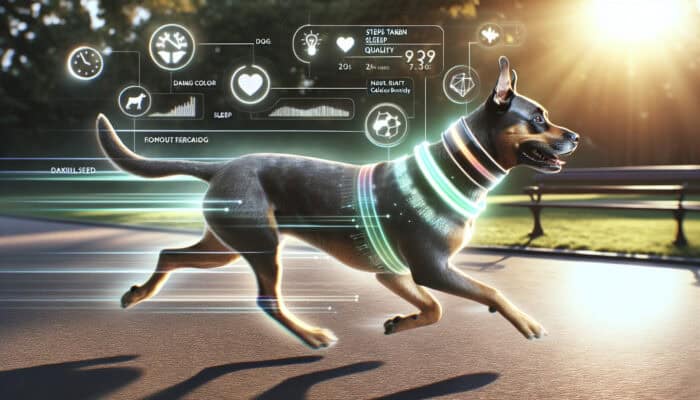
Wearable Fitness Trackers for Pets: The integration of wearable fitness trackers into pet care has fundamentally transformed the way we monitor and enhance our pets' health. These state-of-the-art devices are pivotal in tracking activity levels and critical health metrics, providing real-time insights into vital data such as steps taken, quality of sleep, and calories burned. By furnishing pet owners with this information, they are empowered to make informed decisions regarding their pets' well-being. Analysing the collected data allows for tailored care strategies, ultimately improving the quality of life for our furry companions and promoting longevity and vitality. This technological advancement signifies a paradigm shift in pet health management, facilitating a deeper understanding of our pets' needs and behaviours.
How has the realm of pet monitoring technology progressed throughout the years?
The progression of pet monitoring technology has experienced remarkable advancements, evolving from rudimentary tools to sophisticated devices boasting cutting-edge features. Contemporary fitness trackers are equipped with high-tech sensors that guarantee precise data collection, seamlessly connecting with user-friendly mobile applications. This synergy offers pet owners straightforward access to essential health data, fostering a proactive approach to health management. Furthermore, innovative designs enhance daily routines, ensuring pets stay active and engaged, which is crucial for their overall well-being. Such technological evolution elevates the standards of pet care, nurturing deeper bonds between pets and their human companions, ultimately resulting in a more fulfilling pet ownership experience.
What key elements constitute effective pet fitness trackers and how do they function?
Wearable fitness trackers for pets comprise several vital components that collaborate to enhance their effectiveness in monitoring pet health. These integral components include:
- Heart Rate Sensors: These essential sensors continuously monitor the pet's heart rate, yielding insights into fitness levels and potential health issues.
- GPS Tracking: This critical feature enables owners to accurately locate their pets, ensuring peace of mind and safety during outdoor activities.
- Accelerometers: These devices track movement and distinguish between various activities, providing invaluable insights into the pet's play and exercise habits.
- Sleep Monitors: These assess sleep quality and patterns, delivering a comprehensive view of the pet's overall health and well-being.
- Durability Features: Designed to withstand daily wear and tear, these features ensure the device remains functional throughout a pet's daily adventures.
- Long Battery Life: A robust battery design allows for continuous tracking without frequent recharging, thereby enhancing convenience for pet owners.
These components collectively furnish crucial data to assist in managing a pet's health, highlighting durability and extended battery life, thus rendering them indispensable tools for responsible pet owners.
Uncovering the Distinct Features and Advantages of Pet Fitness Trackers
How precise are the tracking capabilities of these innovative devices?
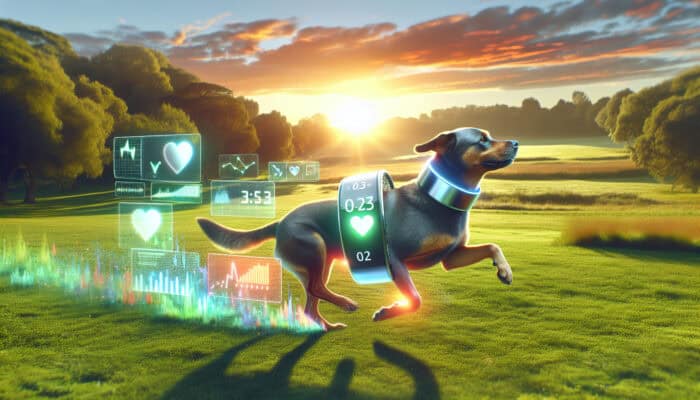
The tracking capabilities of wearable fitness trackers for pets are remarkably accurate, providing reliable data regarding a pet's movements, exercise routines, and rest patterns. This high level of accuracy enables pet owners to formulate customised health plans tailored to their pets' specific needs, ultimately enhancing their pets' longevity and improving owners' satisfaction. By closely monitoring specific metrics, owners can easily identify unhealthy behaviours early on and implement corrective measures swiftly, thereby transforming the management of pet health. This proactive approach allows for timely interventions that significantly improve a pet's overall quality of life.
Moreover, the precision afforded by these devices redefines traditional health management practices. For instance, if a tracker indicates a decline in activity levels, owners can adjust their routines, perhaps by increasing the frequency of walks or engaging in interactive play sessions. This flexibility is essential in nurturing both physical and mental well-being, ensuring pets remain happy and healthy.
How do wearable fitness trackers integrate effortlessly with mobile applications?
Wearable fitness trackers for pets are designed to integrate seamlessly with mobile applications, enabling pet owners to visualise their pets' health data through intuitive user interfaces. These applications empower users to establish personalised fitness goals and receive timely alerts regarding vital health metrics. This simplification of fitness routine management makes it easier for owners to track their pets' progress and ensure they remain active and engaged. The accessibility of health information empowers pet owners to take proactive measures in maintaining their pets' overall health and wellness.
Furthermore, the ability to sync with smartphones fosters community engagement among pet owners. Many applications allow users to share their achievements with fellow pet owners, creating a supportive network that encourages proactive pet care and motivates owners to maintain their pets' fitness levels.
What design features promote comfort for pets wearing fitness trackers?

Design plays a pivotal role in the overall effectiveness of wearable fitness trackers for pets. Ergonomically designed devices, constructed from lightweight materials, minimise irritation and ensure pets can wear them comfortably for extended periods. A well-fitting tracker not only enhances usability but also promotes consistent monitoring, as pets are less likely to resist wearing them. This level of comfort is essential for pet owners aiming to encourage their pets to engage in physical activities without the distractions associated with poorly fitting devices.
Additionally, customisable features such as adjustable straps ensure a snug fit that prevents discomfort during daily activities. This adaptability is vital for long-term wear, encouraging pets to remain active and engaged in their daily routines. A well-designed device fosters a positive experience, ultimately enhancing the pet's lifestyle and overall well-being.
What essential information should you know about battery life and durability in pet fitness trackers?
High-quality wearable fitness trackers are engineered with impressive battery life and robust construction, making them ideal for extended use in various environmental conditions. This reliability is particularly essential for active pets that frequently engage in outdoor adventures or play. A long-lasting battery minimises downtime for recharging, thereby enhancing the overall user experience for both pets and their owners.
Moreover, durability features ensure that the tracker withstands rough play and exposure to elements such as rain and mud. This resilience allows pets to partake in their activities without interruption, enabling owners to maintain consistent health monitoring over time. Investing in a durable and long-lasting device ultimately pays off in terms of convenience and peace of mind for pet owners.
Understanding the Functional Mechanics of Wearable Fitness Trackers
What are the fundamental operational mechanisms that drive these innovative devices?
Wearable fitness trackers operate through a sophisticated system of sensors that diligently collect activity data. These sensors monitor various parameters, such as movement, heart rate, and sleep patterns. The gathered data is subsequently processed through advanced algorithms, yielding valuable insights into a pet's behaviour and health metrics.
For pet owners, comprehending the operational mechanics of these devices is crucial. The algorithms generate patterns and trends that help identify specific behaviours, enabling owners to glean insights about their pets' health. For instance, if a pet exhibits a notable decline in activity levels, the data collected will highlight this shift, allowing owners to take proactive measures to address any underlying health concerns.
What standard user interface elements can you expect from pet fitness trackers?
The user interface of wearable fitness trackers is crafted to facilitate intuitive navigation, enabling pet owners to access essential metrics such as activity logs and health data effortlessly. Most applications feature clear layouts that allow users to view real-time statistics and historical trends, promoting informed decision-making regarding their pets' health and fitness.
Customisation options are prevalent in these interfaces, allowing owners to tailor notifications, set reminders for activities, and adjust metrics to align with their specific preferences and goals. This level of personalisation enhances user engagement and motivation, ultimately driving better results in pet health management and fostering a deeper connection between owners and their pets.
What potential limitations should pet owners remain mindful of when using these devices?
While wearable fitness trackers offer numerous advantages, owners must acknowledge potential limitations. Issues such as battery drain and signal interference can impact the performance of these devices. For example, if a pet is in an area with poor signal reception, the tracker may not function optimally, leading to inaccurate data and missed insights.
Being aware of these limitations enables owners to optimise the use of their trackers effectively. Regular maintenance, including ensuring the device is charged and functioning properly, can mitigate many of these issues and help ensure pets receive the best possible care through consistent monitoring. Understanding these challenges empowers owners to maximise the benefits of wearable fitness technology for their pets.
Expert Recommendations for Effectively Implementing Wearable Fitness Trackers
What actionable strategies can you employ to incorporate these devices into your pet's daily routine?
Integrating wearable fitness trackers into a pet's daily routine necessitates careful planning and execution. Start by selecting a device that fits your pet's size and activity level appropriately. Consider crucial factors such as comfort, functionality, and the ability to integrate with mobile applications for seamless usage.
Next, establish a routine that promotes physical activity. For instance, set specific times for walks and interactive play sessions, utilising the tracker to monitor progress and ensure your pet stays engaged. Consistency is paramount; aim to include a variety of activities that stimulate both physical and mental exercise for your pet.
Real-world examples illustrate the effectiveness of these strategies. For example, one dog owner observed a significant improvement in their pet's energy levels and behaviour after incorporating a fitness tracker into their daily routine. By analysing the data, the owner adjusted the dog's activities, resulting in a healthier, happier companion.
What benefits do veterinarians recognise in utilising wearable fitness trackers for pets?
Veterinarians point out numerous advantages of wearable fitness trackers in early detection and proactive care. These devices provide critical data that can help identify potential health issues before they escalate into significant concerns. For example, if a pet's activity level suddenly decreases, it may signal an underlying health problem that warrants further investigation.
Veterinary professionals also advocate for leveraging this data to inform diet and exercise plans, resulting in tailored care strategies that meet individual needs. By utilising insights gleaned from trackers, pet owners can engage in more meaningful consultations with their veterinarians, ultimately leading to improved health outcomes for their beloved pets.
How does long-term utilisation of these trackers contribute to enhanced pet care?
The long-term use of wearable fitness trackers significantly improves pet behaviour and overall wellness. Specialists emphasise that consistent health tracking allows for early interventions when issues arise. For instance, a pet displaying signs of obesity can be closely monitored over time, with data guiding necessary lifestyle changes to promote weight loss and overall health.
Real-world success stories further illustrate this point. One cat owner utilised a tracker and noted a significant decline in their pet's weight after implementing a personalised fitness routine based on the data collected. Such positive outcomes underscore the value of these devices in sustaining pets' long-term health and happiness.
What benefits do wearable fitness trackers provide for pet owners?
How do these devices enhance the daily routines of pet owners?
Wearable fitness trackers greatly simplify the daily routines of pet owners by providing streamlined activity tracking. This ease of use assists owners in adjusting playtime and exercise regimens effectively, resulting in happier and healthier pets. With access to real-time data, owners can make informed decisions regarding when and how to engage their pets in physical activities, fostering a more active lifestyle.
The ability to set specific goals and monitor progress is particularly invaluable. For instance, an owner can track their dog's daily steps and adjust walks accordingly to ensure their pet receives adequate exercise. This proactive approach not only improves health management but also strengthens the bond between pets and their owners, creating a more harmonious living environment.
How do wearable fitness trackers offer financial advantages over time?
Investing in wearable fitness trackers can yield significant cost savings for pet owners in the long run. Early detection of health issues reduces the need for frequent veterinary visits, making it a cost-effective strategy for monitoring pet health and wellness.
The financial benefits can be summarised as follows:
- Reduced Vet Visits: Early detection of potential health issues minimises the need for frequent veterinary consultations, saving both time and money.
- Lower Medication Costs: Proactive health management can reduce medication costs associated with untreated health conditions.
- Extended Lifespan: Enhanced health management contributes to a longer, happier life for pets, resulting in better long-term companionship.
- Prevention of Obesity-Related Conditions: Investing in fitness trackers helps prevent obesity-related illnesses, ultimately saving on costly medical treatments.
These factors illustrate how wearable fitness trackers represent a wise investment in pets' overall health and well-being, ultimately benefiting both pets and their owners.
In what ways do these trackers strengthen the bond between pets and their owners?
The employment of wearable fitness trackers fosters a stronger connection between pets and their owners by encouraging interactive play informed by data-driven insights. By utilising the information provided by these trackers, owners can engage more effectively with their pets, leading to mutual enjoyment and emotional well-being for both parties.
For example, if a tracker indicates that a pet is more active in the evenings, the owner can schedule playtime during those hours to maximise engagement and enjoyment. These shared activities not only enhance the bond but also create joyful experiences that reinforce the significance of active involvement in pet care. Ultimately, the relationship between pets and their owners flourishes through meaningful interactions driven by data insights.
Research-Backed Benefits of Wearable Fitness Trackers for Pets
What evidence from studies supports health improvements associated with these devices?
Research has convincingly demonstrated that wearable fitness trackers significantly lower the risks of obesity in pets. Data from various studies indicate that consistent use of these devices encourages increased activity levels in pets, leading to healthier weights and improved overall health.
One compelling case study involved a shelter that implemented fitness trackers to monitor dogs. The data revealed significant weight loss and enhanced energy levels among tracked dogs, highlighting the effectiveness of utilising technology for health management. This evidence underlines the potential benefits of these devices, providing reassurance to pet owners about their investment in their pets' health and overall well-being.
How do wearable fitness trackers affect behavioural patterns in pets?
Studies indicate that wearable fitness trackers positively influence pet behaviour. Research findings show that pets using these devices experience improved sleep quality and reduced anxiety. This correlation can be attributed to insights gained from tracking activity and sleep patterns, which allow owners to adjust their pets' routines as necessary.
For instance, if a dog is not receiving adequate exercise, the owner can increase their activity levels, often leading to improved mood and reduced anxiety. This data-driven approach facilitates proactive care, fostering a happier, healthier environment for both pets and their owners, ultimately enhancing the overall pet ownership experience.
What safety features are integrated into wearable fitness trackers for added protection?
Safety features such as geofencing significantly enhance the reliability and functionality of wearable fitness trackers. Research supports the effectiveness of these features in providing pet owners with peace of mind, ensuring their beloved companions are safe during outdoor excursions.
Geofencing technology allows owners to set predefined safe zones for their pets. If a pet wanders beyond these designated areas, the owner receives immediate alerts, enabling prompt action to ensure the pet's safety. This technology is invaluable, particularly for adventurous pets that enjoy exploring their surroundings. The integration of such safety features underscores the commitment of wearable fitness tracker manufacturers to enhance pet security and owner confidence.
How to Properly Maintain and Care for Wearable Fitness Trackers?
What cleaning and maintenance routines should be followed regularly for optimal performance?
Maintaining wearable fitness trackers involves implementing simple yet effective cleaning and upkeep routines. Regularly wiping down sensors with a damp cloth helps ensure their accuracy and extends the device's lifespan. Proper care of the device not only guarantees functionality but also contributes to better health monitoring for pets.
Additionally, consistent charging of the device is equally important. Keeping it powered prevents downtime, ensuring that tracking continues without interruptions. Establishing a routine maintenance schedule enhances reliable use and maximises the device's benefits for ongoing pet health monitoring. A proactive approach to care ensures that the tracker remains effective in delivering accurate data over time.
What troubleshooting measures can be taken for common issues encountered with these devices?
Addressing common issues, such as connectivity problems, is essential for maintaining seamless tracking. If owners experience connectivity difficulties, steps such as restarting the device or ensuring the accompanying mobile application is up to date can often resolve the issue swiftly.
Regularly checking for firmware updates can also enhance device performance and prevent potential issues. By adhering to these troubleshooting methods, owners can ensure continuous monitoring without interruptions, allowing for optimal use of wearable fitness technology. Understanding these challenges equips owners to significantly enhance their experience with their pet's health monitoring.
Why is upgrading your device vital for maintaining optimal performance?
To maintain optimal performance, pet owners should regularly upgrade their wearable fitness trackers. Software updates frequently introduce new features and enhancements that ensure the device remains effective in monitoring pet health and fitness levels.
These upgrades may include improved data processing algorithms or additional features that enhance the user experience. By staying up to date with the latest technology, owners can leverage new capabilities that improve pet care and management. Incorporating these upgrades into the maintenance routine ensures that the tracker continues to serve its purpose effectively over time, maximising its potential benefits for both pets and their owners.
Exploring the Diversity of Popular Types and Models of Pet Fitness Trackers
What variations exist within pet tracking technology?
Diverse models of wearable fitness trackers for pets offer a variety of tracking technologies tailored to distinct needs. Some devices focus specifically on metrics such as heart rate monitoring, while others provide comprehensive data, including activity levels and location tracking. This diversity enables pet owners to select a tracker that best suits their pet's size, activity level, and health requirements.
For instance, certain models are specifically designed for small pets, featuring lightweight materials and adjustable settings to ensure a comfortable fit. In contrast, larger breeds may benefit from models that boast enhanced durability and extended battery life, making them suitable for active lifestyles. This variety in tracking technologies empowers pet owners to choose devices that align perfectly with their pets' unique needs and activity levels.
How do user preferences influence the selection of pet fitness trackers?
User preferences significantly shape the decision-making process when selecting a wearable fitness tracker. Factors such as ease of use, comfort, and functionality heavily influence which models pet owners ultimately choose. Owners typically favour devices that integrate seamlessly with their smartphones and offer intuitive interfaces, as this facilitates regular monitoring and engagement.
Moreover, customisation options, including adjustable settings for different activities, enhance the user experience and cater to pets' diverse needs. Understanding these preferences enables manufacturers to create products that resonate with pet owners, ultimately driving better sales and enhanced user satisfaction across the market.
What customisation options are available for wearable fitness trackers?
Customisation options in wearable fitness trackers significantly enhance the overall user experience by allowing owners to adapt settings to their specific needs. These features may include adjustable alerts, personalised activity goals, and tailored fitness plans based on the pet's unique activity and health data.
This adaptability empowers pet owners to engage meaningfully with their pets. For example, by setting reminders for walks or playtime based on the pet's activity levels, owners can ensure that their pets maintain an active lifestyle, leading to improved health outcomes for both pets and their owners. This emphasis on personalisation reflects the growing trend of customised pet care solutions in today's market, making pet ownership a more fulfilling experience.
The Evolution of Pet Technology and Future Prospects
What emerging trends can we expect in the development of wearable fitness trackers?
The future of wearable fitness trackers for pets promises smarter integrations and more advanced features. Emerging innovations in technology are likely to further enhance the capabilities of these devices, creating a comprehensive approach to pet health monitoring. With advancements such as artificial intelligence, future trackers may offer personalised insights based on historical data, leading to even more effective health management strategies.
By predicting trends and suggesting optimal routines, these advancements could significantly enhance pets' quality of life, making them happier and healthier companions. Such innovations excite both pet owners and professionals alike, paving the way for cutting-edge solutions that prioritise animal welfare and improve pet care practices in the future.
Why is innovation in pet technology critical at this juncture?
Innovation in wearable fitness trackers for pets is essential as the demand for comprehensive tracking solutions continues to grow. Modern pet care requires tools that empower owners to effectively monitor their pets' health and activity levels while adapting to their evolving needs.
As pet ownership becomes increasingly intertwined with technology, the need for innovative solutions that address health concerns and lifestyle changes becomes paramount. This innovation not only enhances the pet-ownership experience but also ensures pets benefit from the latest technological advancements, ultimately contributing to their overall well-being and happiness.
How can wearable fitness trackers integrate with other technological tools?
Integrating wearable fitness trackers with other smart home devices creates a holistic approach to pet care. Pet owners can utilise technology to streamline daily routines, enhance security, and promote engagement with their pets, fostering a well-rounded pet care experience.
Here are some tips for successful integration:
- Link the Tracker to Smart Home Assistants: Use voice commands to interact with the device for convenient monitoring.
- Synchronise with Home Security Systems: Enhance safety by monitoring pets when they are home alone.
- Connect to Automated Feeders: Regulate meal times based on activity levels to ensure pets are fed appropriately.
- Utilise Smart Cameras: Monitor pets during the day to gain insights into their behaviour and activity levels.
Such integrations provide a comprehensive environment that supports both pets and their owners, optimising care and enhancing engagement for a fulfilling pet ownership experience.
What is the historical overview of the evolution of pet technology?
The evolution of pet technology commenced with basic identification tags in the mid-20th century and has advanced to sophisticated GPS trackers and health monitoring devices by the 2000s. This progression has significantly improved pet owners' ability to oversee their animals, offering real-time data and enabling quick responses in emergencies. Consequently, the overall welfare of pets has improved, reflecting the growing importance of technology in responsible pet ownership and care.
How does modern technology contribute to pet health?
Modern pet technology offers substantial benefits by monitoring activity levels, detecting early health issues, and providing personalised care insights. These advancements empower pet owners to make informed decisions that lead to improved longevity and quality of life for their animals.
By leveraging real-time data, pet owners can adjust diets, exercise routines, and healthcare strategies accordingly. This proactive approach ensures that pets receive the best possible care, ultimately enhancing their overall well-being and happiness.
Frequently Asked Questions about Wearable Fitness Trackers for Pets
What precisely are wearable fitness trackers for pets?
Wearable fitness trackers for pets are advanced devices specifically designed to monitor a pet's activity levels, health metrics, and behavioural patterns, allowing owners to manage their pets' health effectively and proactively.
How do these trackers contribute to enhancing pet health?
These trackers provide real-time data on exercise, sleep, and overall activity levels, enabling owners to make informed decisions and tailor fitness routines to their pets' specific needs, ensuring better overall health and wellness.
Are wearable fitness trackers comfortable for pets?
Yes, many modern wearable fitness trackers are crafted with ergonomic features and lightweight materials, ensuring comfort for pets of all sizes during everyday activities and encouraging consistent wear.
What types of pets can benefit from fitness trackers?
Most devices are suitable for dogs and cats, with specific models designed to accommodate different breeds and sizes, ensuring a proper fit and effective monitoring for all pets.
Can I track multiple pets with a single device?
Generally, wearable fitness trackers are designed for individual pets; however, some mobile applications allow users to manage multiple devices for tracking several pets simultaneously, enhancing convenience for pet owners.
How often should I recharge the device?
Battery life varies by model, but many trackers can last several days to weeks on a single charge, depending on usage and features enabled, ensuring minimal disruptions to monitoring.
What features should I prioritise when selecting a pet tracker?
Key features to consider include GPS tracking, heart rate monitoring, activity tracking, sleep monitoring, and compatibility with mobile applications for easy access to pet health data and insights.
Can wearable fitness trackers assist with addressing pet behaviour issues?
Yes, by providing insights into activity levels and behaviour patterns, these trackers can help identify underlying issues, allowing for timely interventions and adjustments to routines to improve overall pet behaviour and health.
Are there any limitations associated with using these devices?
Potential limitations include battery drain, signal interference, and the need for regular maintenance to ensure tracking accuracy and reliability, requiring owners to remain proactive in their use.
How can I encourage my pet to wear the tracker consistently?
To promote consistent use, introduce the device gradually, ensuring a comfortable fit and pairing it with engaging activities that encourage your pet to wear it willingly.
Join Our Community on Facebook!
The Article Wearable Fitness Trackers for Pets: Enhancing Pet Health First Published On https://elgatoencasa.com
The Article Wearable Fitness Trackers: Boosting Your Pet’s Health Was Found On https://limitsofstrategy.com