Master Proven Rooting Techniques to Enhance Plant Growth Effectively
What Impact Do Rooting Techniques Have on Creating Successful Plant Blends?

Engaging in effective rooting techniques is crucial for encouraging the vigorous regrowth of plants by facilitating the formation of new roots from both cuttings and seeds. These techniques hinge on key principles such as moisture retention and nutrient availability, which can be harnessed by dedicated gardening enthusiasts in a variety of settings. By grasping the significance of these techniques, gardeners can cultivate thriving ecosystems that support robust plant life while fostering biodiversity in their gardens. This awareness encourages responsible gardening practices that benefit not only the plants involved but also the broader environment, enhancing the overall ecological balance of the area.
Essential Elements Required for Successful Rooting Outcomes
Achieving successful rooting depends on several key components that facilitate the natural regrowth process. These essential elements include:
- High-quality cuttings or seeds
- Suitable growing medium
- Humidity control
- Effective nutrient management
- Optimal lighting conditions
By focusing on these essential factors, gardening enthusiasts can significantly increase their chances of achieving successful rooting outcomes, irrespective of their unique growing environments. Each component plays a vital role in creating a supportive atmosphere conducive to root development and overall plant health, ensuring that gardeners cultivate resilient plants that flourish over time. This ultimately contributes to a more vibrant garden ecosystem, enriching the overall gardening experience.
Advantages of Incorporating Natural Blends into Rooting Techniques
Integrating natural blends into rooting practices provides numerous benefits, including sustainable growth options that enhance the vitality and resilience of plants. These methodologies not only promote plant health but also lessen reliance on synthetic inputs, paving the way for a more environmentally friendly gardening approach. Moreover, they can be easily customised to meet the diverse geographical and climatic conditions, making them accessible to a broad spectrum of gardening enthusiasts globally. This eco-conscious strategy fosters an enriched gardening ethos while significantly boosting the overall success rates of rooting initiatives.
Crucial Tools and Materials for Effective Rooting
How Do Essential Tools Enhance the Rooting Process?
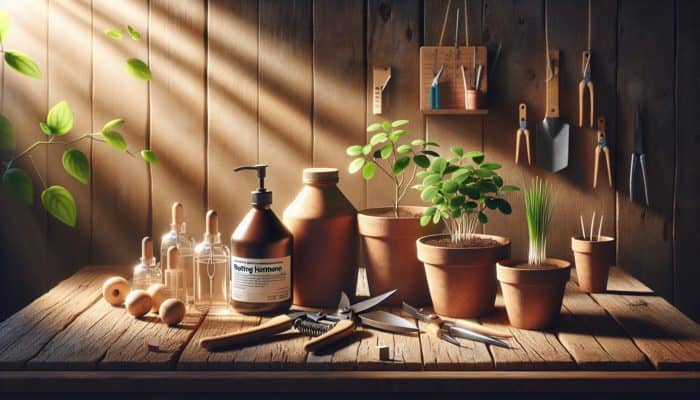
The right tools play a pivotal role in refining rooting processes by equipping gardeners with the means to execute techniques with both precision and efficiency. Tools such as pruners, propagation trays, and humidity domes are essential for maintaining consistent moisture levels and providing stability for cuttings. Their versatility ensures that enthusiasts can achieve effective results regardless of the particular setup they are using. By investing in appropriate equipment, gardeners can optimise their rooting efforts and foster healthier plant growth, ultimately leading to a more rewarding gardening experience and successful outcomes.
Selecting Premium Materials for Superior Rooting Blends
Choosing the right materials for rooting blends is paramount to achieving optimal growth and ensuring that plants receive the essential support they need. Components such as peat moss, coconut coir, and perlite greatly enhance drainage and aeration, creating a healthy environment for rooting. By focusing on versatile options that cater to various plant types and environmental conditions, gardeners can develop customised blends that promote enduring growth and vitality in their plants. This meticulous selection process is fundamental to successful gardening techniques, ensuring that plants thrive within their specific environments.
Exploring Common Alternatives to Conventional Rooting Tools

Investigating common alternatives to traditional rooting tools opens up exciting possibilities for creativity and innovation in natural regrowth techniques. Items such as glass jars for humidity control, recycled containers for planting, and even everyday kitchen tools can serve as effective substitutes. This adaptability ensures that the quest for natural regrowth remains achievable through straightforward and accessible methods. It empowers gardeners to experiment with different techniques while promoting sustainability in their practices. Embracing these alternatives can lead to a more resourceful and environmentally conscious gardening experience, ultimately benefiting both the gardener and the plants.
Proper Care and Storage of Gardening Tools
Maintaining tools in optimal condition is essential for the effectiveness of rooting processes. Regular cleaning and sharpening of tools prevent the spread of pathogens and guarantee precise cuts, which are necessary for the health of cuttings. Storing items in a dry, protected environment prolongs their lifespan and maintains hygiene, which is crucial for achieving consistent results in natural regrowth efforts. By prioritising proper tool care, gardeners can enhance their overall gardening experience, ensuring their equipment remains effective and reliable for years to come, ultimately supporting their rooting success.
How to Prepare Natural Regrowth Blends Effectively?
What Steps Ensure Effective Preparation of Rooting Blends?
Preparing natural regrowth blends effectively involves a series of systematic actions designed to optimise the outcomes for plant growth. Begin by selecting high-quality components specifically tailored to the needs of the plants being propagated. Then, accurately measure the proportions to create a balanced mix that provides essential support for growth. Finally, blend the ingredients thoroughly to ensure uniform distribution of nutrients and moisture, promoting robust rooting without limitations. By meticulously following these steps, gardeners can achieve superior results in their regrowth efforts, leading to healthier plants and more successful gardening outcomes overall.
Essential Ingredients for Crafting Effective Rooting Blends
Creating effective rooting blends necessitates combining various elemental components that cater to the specific needs of different plants. Key ingredients include:
- Peat moss
- Coconut coir
- Perlite
- Vermiculite
- Compost
These selections support universal application and offer long-lasting benefits, enabling users to customise their blends to meet the unique requirements of various plant species. By understanding the role of each ingredient, gardeners can create optimal conditions for rooting success, leading to healthier and more resilient plants over time, ultimately enhancing their gardening experience and satisfaction.
How to Assess Blends for Readiness in Rooting Applications?
To ensure that a rooting blend is ready for application, several actionable steps can be undertaken. Observing the texture and moisture content is essential; the blend should feel damp but not overly soggy. Additionally, testing the blend's pH with a simple pH test kit will help confirm that it falls within the optimal range for plant growth, promoting reliable and adaptable outcomes. By taking these precautions, gardeners can lay the groundwork for successful rooting and robust plant development, ensuring their efforts yield the desired results.
Strategies for Storing Prepared Blends to Ensure Longevity
Effective storage methods are critical for preserving the efficacy of natural regrowth blends over time. Store prepared blends in airtight containers to prevent moisture loss and contamination, thus maintaining their quality. Keeping them in a cool, dark environment further mitigates degradation, ensuring prolonged usability and sustained benefits across various applications. By implementing these storage strategies, gardeners can ensure that their efforts yield successful results, even months after preparation, ultimately enhancing their gardening practices and outcomes.
Expert Insights for Optimising Rooting Techniques to Foster Natural Regrowth
What Expert Recommendations Improve the Application of Rooting Techniques?
Expert advice plays a pivotal role in refining rooting techniques for natural regrowth. One key insight is the importance of timing; for instance, taking cuttings during a plant’s active growth phase can significantly enhance rooting success. Moreover, adapting methods to suit specific environmental conditions, such as temperature and humidity, ensures more robust results. By incorporating these expert recommendations, gardeners can improve their chances of achieving successful root development and plant vitality, leading to a more fruitful gardening experience and rewarding outcomes.
Advanced Tips from Seasoned Practitioners to Boost Rooting Success
Experienced practitioners emphasise the value of patience and careful observation throughout the rooting process. One advanced tip involves using rooting hormones to boost the success rate of cuttings, giving them an added advantage in establishing roots. Furthermore, routinely adjusting environmental conditions, such as light exposure and moisture levels, can lead to more durable and efficient rooting processes across common practices. By applying these insights, gardeners can enhance their rooting techniques and achieve superior plant growth outcomes, ultimately benefiting their gardening efforts and satisfaction.
How to Integrate Insights for Enhanced Rooting Outcomes?
Integrating insights from various experts can yield significantly improved outcomes in rooting techniques. For instance, blending traditional methods with innovative approaches allows for more comprehensive strategies tailored to individual needs. By applying proven methods alongside personalised adaptations, users can achieve sustained regrowth and bolster plant vitality. This dynamic approach encourages a more nuanced understanding of gardening practices, ultimately enhancing the growth and health of plants and leading to a successful gardening journey filled with rewarding experiences.
What Are the Best Practices for Rooting Techniques?
How to Ensure Consistency in Rooting Techniques?
Maintaining consistency in rooting techniques requires establishing reliable routines that gardeners can diligently adhere to. Regularly monitoring moisture levels and adjusting environmental conditions creates a stable atmosphere conducive to growth. Documenting each step in the process helps ensure that successful practices are replicated, thereby supporting natural regrowth and adaptability. By following these best practices, gardeners can elevate their overall rooting success and cultivate thriving plants, contributing to a flourishing garden ecosystem that benefits all involved.
Optimising Conditions for the Effectiveness of Rooting Blends
Key factors such as timing and care significantly enhance the effectiveness of rooting blends. For example, ensuring that the growing medium remains consistently moist without becoming waterlogged is essential for optimal root development. Adjusting light exposure based on the specific requirements of each plant promotes healthy growth, ensuring strong, natural development over time. By paying attention to these crucial elements, gardeners can create ideal conditions for successful rooting, ultimately enhancing their gardening efforts and plant health.
Key Best Practices for Rooting Techniques
Implementing best practices in rooting techniques is essential for achieving optimal results. Key guidelines include:
- Regularly check moisture levels
- Utilise high-quality materials for blends
- Ensure proper ventilation around cuttings
- Monitor ambient temperature and adjust as necessary
- Maintain a log of each rooting attempt for future reference
By adhering to these practices, users can significantly elevate the likelihood of successful regrowth, fostering a thriving garden ecosystem that benefits both plants and gardeners alike while enhancing overall satisfaction in the gardening journey.
Trustworthy Strategies for Effectively Improving Rooting Techniques
Why is it Essential to Focus on Proven Strategies for Blending?
Focusing on established strategies in rooting techniques is crucial for improving regrowth outcomes. Proven approaches, such as the use of humidity domes or specific watering schedules, establish a solid foundation for success. By relying on these expert-backed methods, enthusiasts can achieve dependable natural regrowth results across various settings. This reliance on established strategies fosters confidence in gardening practices, ultimately supporting the development of vibrant plant life and a flourishing garden filled with diverse flora.
How to Adapt Strategies for Diverse Needs in Rooting?
Customising rooting strategies based on specific needs encourages flexibility and effectiveness in achieving successful outcomes. For example, understanding the unique requirements of different plant species can guide users in adjusting their blends and techniques accordingly. This tailored approach ensures that natural blends work optimally in various environments and applications, allowing gardeners to maximise their success with each rooting endeavour, ultimately leading to healthier plants and a vibrant garden filled with life.
Long-Term Benefits of Applying Strategic Rooting Methods
Adopting strategies grounded in practical experience yields long-term benefits for natural regrowth efforts. Implementing sustainable methods not only supports ongoing regrowth but also fosters a deeper understanding of plant care. This understanding contributes to establishing reliable practices that promote resilience and adaptability across diverse growing scenarios, ensuring that gardeners can enjoy the fruits of their labour for years to come, ultimately enriching their gardening journey and experiences with each planting season.
Common Mistakes to Avoid in Rooting Techniques
What Errors Frequently Hinder the Success of Rooting Blends?
Common mistakes in executing rooting techniques can significantly impede the success of blends. Frequent pitfalls include overwatering cuttings, using low-quality materials, and neglecting to maintain appropriate humidity levels. By identifying these avoidable missteps, enthusiasts can navigate the complexities of natural regrowth efforts more effectively and efficiently. Awareness of these errors allows gardeners to refine their practices, ultimately leading to improved results in their rooting endeavours and a more successful gardening experience.
How Can I Correct Frequent Flaws in Rooting Techniques?
Correcting frequent flaws in rooting techniques involves implementing straightforward remedies to enhance plant health and vigour. For instance, if cuttings are wilting, it is essential to check moisture levels and adjust watering practices accordingly to restore balance. Furthermore, improving air circulation around the cuttings can alleviate humidity-related issues, ensuring blends perform effectively and support consistent outcomes. By addressing these common flaws, gardeners can enhance their rooting success and promote stronger plant growth, contributing to a healthier garden environment that flourishes.
What Are the Signs of Potential Mistakes in Rooting Processes?
Recognising signs of potential mistakes early allows for timely adjustments in the rooting process. Indicators such as yellowing leaves, stunted growth, or mould formation signal that something is amiss. Addressing these issues quickly can help maintain integrity in rooting techniques, ultimately leading to improved natural regrowth. By staying vigilant, gardeners can ensure their plants remain healthy and thriving throughout the rooting process, enhancing their overall gardening success and satisfaction.
Advanced Techniques for Rooting Blends
Exploring Innovative Methods for Effective Rooting
Exploring innovative rooting methods adds depth to traditional techniques, opening avenues for enhanced natural regrowth. For instance, employing aeroponics can significantly improve root development by providing consistent moisture and oxygen to cuttings. This creative yet accessible strategy promotes faster growth and is an appealing option for enthusiasts worldwide. By embracing innovation, gardeners can elevate their practices and achieve remarkable results in plant propagation, ultimately enriching their gardening experiences and expanding their knowledge of effective techniques.
Combining Techniques for Superior Rooting Results
Integrating multiple rooting techniques can significantly amplify effectiveness and lead to healthier plants. For example, utilising layering techniques such as employing both soil and water propagation provides diverse support to cuttings, sustaining blend performance over time. This multifaceted approach caters to the varying needs of plants, ensuring robust growth across different species. By employing a combination of methods, gardeners can enhance their overall success in rooting practices, ultimately leading to a thriving garden ecosystem that benefits all involved.
Evolving Practices in Natural Regrowth Techniques
The evolution of practices in natural regrowth illustrates the importance of adaptability in horticulture. Techniques that leverage technology, such as automated misting systems, exemplify how traditional methods can be enhanced for greater efficacy. Staying informed about emerging practices keeps blending techniques effective and relevant, allowing enthusiasts to thrive in their gardening efforts. By continuously evolving their approaches, gardeners can maximise their potential for successful plant propagation, contributing to a more sustainable gardening future and enriching their overall gardening journey.
Long-Term Care and Maintenance of Rooting Techniques
Strategies for Ongoing Upkeep of Rooting Blends
Sustaining rooting techniques requires consistent attention and proactive strategies to ensure successful natural regrowth. Regularly checking moisture levels and adjusting the environment according to the specific needs of plants is crucial for effective rooting. Simple practices, such as rotating plants for even light exposure, contribute to the longevity of rooting efforts and help maintain vigorous growth. By prioritising these care strategies, gardeners can achieve sustained success in their rooting practices, ultimately leading to a thriving garden ecosystem filled with healthy and vibrant plants.
How to Monitor Progress in Rooting Techniques?
Monitoring progress in rooting techniques is essential for long-term success and can be achieved through various observational methods. For instance, examining root development through transparent propagation containers enables users to continuously assess viability and health. This attention to detail supports adaptability and fosters a deeper connection to the growth process, ultimately enhancing the gardener's understanding and effectiveness in rooting practices, leading to better results over time and a more gratifying gardening experience.
Ensuring Durability of Natural Regrowth Efforts
To ensure durability in rooting techniques, proactive care is vital for maintaining healthy plants. Establishing a routine for checking and maintaining conditions, such as humidity and temperature, fosters resilient and effective natural blends. By ensuring an understanding of each plant's unique requirements, enthusiasts can sustain their regrowth efforts over time, leading to successful gardening outcomes that thrive in the long run, ultimately enriching their gardening journey and cultivating a deeper appreciation for plant care.
FAQs about Rooting Techniques and Natural Regrowth
What Are Rooting Techniques and Their Purpose?
Rooting techniques are specific methods employed to encourage the development of roots from cuttings or seeds, which are vital for successful plant propagation and fostering natural regrowth blends. Understanding these methods helps gardeners achieve improved plant health and sustainability, enriching their gardening practices and experiences.
How Long Does It Typically Take for Roots to Develop?
The duration required for roots to develop can vary widely depending on the plant species and environmental conditions, typically ranging from a few days to several weeks. Factors such as temperature and humidity significantly influence this process, thereby affecting the success of rooting efforts and the overall health of the plants involved.
Can I Utilise Kitchen Scraps for Rooting Purposes?
Yes, many kitchen scraps, such as potato eyes or herb cuttings, can be effectively used for rooting, offering a sustainable method to propagate new plants. This practice not only reduces waste but also encourages creativity in gardening, promoting a more eco-friendly approach to plant propagation and enhancing the overall gardening experience.
What Is the Optimal Time for Taking Cuttings?
Taking cuttings during a plant's active growing phase, typically in spring or early summer, increases the likelihood of successful rooting. This timing allows plants to recover and establish roots more efficiently, ultimately enhancing the success of propagation efforts and leading to healthier plants overall.
Is Special Equipment Necessary for Rooting?
While special equipment can enhance rooting success, many effective rooting techniques can be accomplished with common household items and tools. This accessibility encourages more gardeners to engage in propagation practices, making it easier for everyone to cultivate their plants and enjoy the benefits of gardening.
How Can I Determine If My Cuttings Are Healthy?
Healthy cuttings should appear vibrant and firm, devoid of any signs of wilting, yellowing, or mould. These indicators suggest that the cuttings are ready for rooting and possess a higher chance of success in establishing new plants, which contributes to a thriving garden filled with healthy flora.
What Humidity Levels Are Ideal for Successful Rooting?
Maintaining humidity levels between 70-90% is generally ideal for rooting processes, as it helps prevent moisture loss and supports root development. Adequate humidity is crucial for the health of cuttings during this period, fostering successful rooting outcomes and ensuring robust plant growth.
Can I Apply Fertiliser to Cuttings During Rooting?
It is advisable to avoid fertilising cuttings until they have established roots, as excessive nutrients can hinder root development and lead to poor plant health. Focus on providing adequate moisture and light conditions instead, ensuring healthy growth as roots establish for a thriving gardening experience.
What Common Mistakes Should I Be Aware of in Rooting Techniques?
Common mistakes include overwatering, using poor-quality materials, and neglecting environmental conditions, all of which can negatively impact rooting success. By being mindful of these pitfalls, gardeners can improve their practices and achieve better results, enhancing their overall gardening experience and satisfaction in their gardening journey.
How Can I Improve My Success Rate in Rooting?
Improving your success rate in rooting can be achieved by using high-quality cuttings, maintaining optimal conditions such as moisture and light, and regularly monitoring the environment for changes. Consistency and attention to detail are key, ultimately leading to more successful rooting outcomes and gratifying gardening experiences.
Connect with us on Facebook today to stay updated!
The Article: Rooting Techniques for Natural Regrowth Blends appeared first on Amitys Hair Salon.
The Article Rooting Techniques for Effective Natural Regrowth Was Found On https://limitsofstrategy.com