Become Proficient in Mapless Navigation Techniques
What Fundamental Principles Underpin Mapless Navigation?

navigating without a map: Navigating without a map is a transformative skill that empowers individuals to rely on their environment for guidance, significantly reducing their reliance on digital GPS devices or conventional paper maps. This method fosters a profound connection with natural landmarks and encourages individuals to trust their instincts while interpreting various signals from their surroundings. For example, a hiker might align their route with the sun's path, or a traveller could identify a distinctive mountain or river as a navigational reference. This technique not only strengthens our bond with nature but also engages all our senses, enhancing our navigational abilities even in challenging situations.
Picture yourself walking through a dense forest, using the calming sound of a flowing river as your navigational guide, or observing how the shifting light throughout the day assists with your orientation. This approach to navigation hones essential survival skills and builds confidence as you learn to trust your instincts and your understanding of the world around you.
Master the Key Principles Essential for Successful Mapless Navigation
To excel in navigating without a map, it is vital to grasp three core principles: observation, memory, and adaptability. Observation entails a heightened awareness of your surroundings, which includes recognising features of the terrain and detecting subtle changes in weather patterns. Memory plays a crucial role in recalling previously taken paths, identifying notable landmarks, and understanding the relationships among various environmental markers. Finally, adaptability grants you the flexibility to modify your routes and strategies in response to unforeseen challenges, ensuring safe passage even in less familiar areas.
For instance, a mountain climber may learn to spot signs indicating an approaching storm, enabling them to adjust their planned ascent effectively. An urban explorer might memorise street layouts and shortcuts, adapting their journey as construction or events alter the usual landscape. These foundational concepts encourage a dynamic approach to navigation, emphasising active engagement with the environment.
Discover the Benefits of Implementing Basic Navigation Techniques
Embarking on the journey to navigate without a map through the utilisation of fundamental techniques can yield substantial rewards. By focusing on straightforward methods, you gradually cultivate essential skills that enhance both your enjoyment and safety during your explorations. Actively engaging with your surroundings diminishes the feeling of overwhelm, promoting personal development and fostering self-sufficiency.
For example, taking short, familiar walks while consciously observing your environment can significantly heighten your awareness and intuition. This incremental approach alleviates anxiety, reinforcing your ability to navigate independently through your surroundings. As you accumulate these small but impactful experiences, you will grow increasingly confident in your capability to explore unfamiliar areas, ultimately leading to enriching adventures.
Identify Common Challenges and Uncover Effective Solutions
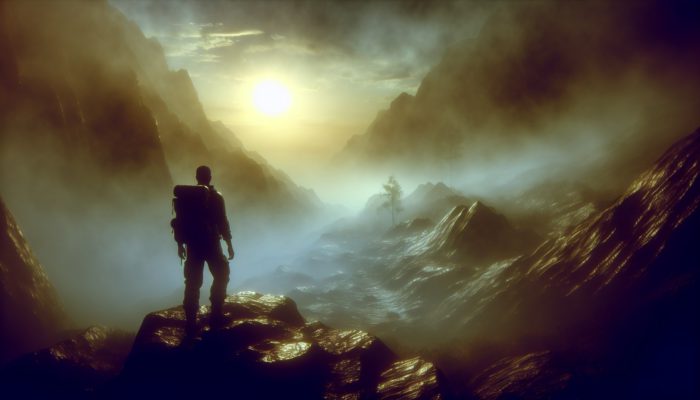
While the journey of navigating without a map can be incredibly rewarding, it does present a range of challenges. Disorientation may occur, especially in areas characterised by poor visibility or complex landscapes, leading to feelings of confusion or uncertainty about your direction. Fortunately, effective strategies exist to address these challenges and cultivate resilience.
One effective technique is to use the position of the sun for directional guidance. Generally, the sun rises in the east and sets in the west, so understanding this can help you maintain a sense of direction. Additionally, cultivating mindfulness and adopting a positive mindset can significantly enhance your ability to manage disorientation. Remember, every misstep can serve as a valuable learning opportunity, strengthening your navigational skills and bolstering your confidence.
Engage in Practical Exercises to Enhance Your Navigation Skills
For those embarking on their journey into navigating without a map, participating in practical activities can be immensely advantageous. Simple exercises, such as identifying prominent landmarks during short walks or practising mental mapping by visualising specific routes, provide excellent starting points. These activities not only enhance your observational abilities but also foster a sense of comfort and familiarity with your environment.
For instance, while hiking through nature, actively seek out key features such as distinctive trees, rock formations, or paths that can function as reference points. You may also simulate routes in your mind, visualising each step you would take and the landmarks you would encounter. This practice builds your confidence in navigating within controlled settings, preparing you to tackle real-world challenges with greater ease.
Essential Skills for Successful Navigation Mastery
How Can You Sharpen Your Observation Skills?

Enhancing your observation skills is essential for navigating without a map. This skill transforms mundane journeys into extraordinary adventures, leading to improved decision-making and heightened situational awareness. Begin by actively engaging with your surroundings—pay attention to patterns in the terrain, the arrangement of vegetation, and even the sounds that surround you.
For example, while hiking, observe the types of trees and their locations: a cluster of pines might indicate higher elevations, whilst deciduous trees could imply lower areas. Additionally, take note of the texture and gradient of the trail, as these clues can inform your path choices. By consistently practising acute observation, you will naturally enhance your navigational skills, evolving into a more proficient explorer.
Explore Techniques for Developing Effective Mental Mapping Skills
Mental mapping is a crucial skill in navigating without a map, enabling you to visualise your surroundings and mentally track routes. This technique relies on both visualization and recall, empowering you to make intuitive navigational decisions across diverse contexts. Start by envisioning your current environment and identifying key landmarks that can serve as reference points.
As you navigate through uncharted territories, mentally record the paths you take and how they relate to the landmarks you observe. Over time, this practice will enhance your ability to navigate intuitively, making it feel almost instinctual. For example, when exploring a new city, visualising the layout based on your observations of buildings, parks, and intersections will help solidify your internal map.
Practice Your Navigation Skills in Safe Environments
Practising your navigation skills in secure and familiar settings is a strategic approach to building confidence and competence. Start in areas you know well, where you can safely experiment with various navigation techniques, gradually increasing the complexity of your routes as you gain proficiency. This structured practice allows you to focus on honing your observational skills and mental mapping without the stress of unfamiliarity.
For example, wander through your neighbourhood, deliberately choosing different paths each time. Notice how specific landmarks guide your way and how you can adjust your route based on environmental cues. As you refine your skills, increase the challenges by venturing into less familiar terrains, ensuring you are well-prepared for more demanding navigation scenarios.
Gain Expert Insights on Mastering Mapless Navigation Techniques
Advanced Strategies from Seasoned Navigators
For those eager to elevate their mapless navigation skills, advanced strategies from experienced professionals can provide invaluable insights. One effective method involves leveraging celestial cues, such as the sun's position during daylight or the stars at night. This practice enhances your directional precision, especially in remote areas where traditional navigation tools may be unavailable.
Furthermore, experts recommend developing a keen ability to interpret natural signs, such as animal tracks or vegetation patterns, to guide you toward water sources or safer pathways. By integrating these advanced techniques into your skill set, you will refine your navigation abilities, allowing you to traverse challenging environments with confidence and accuracy.
How to Effectively Incorporate Natural Indicators into Your Navigation Routine
Successfully integrating natural indicators into your navigation practice is essential for achieving reliable outcomes. By combining signs such as wind direction, animal behaviour, and plant growth patterns with your own judgement, you can significantly enhance your navigational accuracy. For instance, birds often fly into the wind, which can indicate shifting weather patterns or lead you toward open areas.
Additionally, observing how specific plants thrive in particular climates can provide insight into your location. For example, spotting cacti may suggest that you are in a more arid region. By cultivating this skill, you will develop a more intuitive connection with your environment, ultimately allowing you to navigate with greater ease and confidence.
Strategies for Long-Term Maintenance of Navigation Skills
Maintaining proficiency in navigating without a map over time is crucial for sustaining your expertise. Engaging in real-world experiences that promote skill retention includes regular outdoor excursions where you actively practice navigation techniques. Committing time each week to exploration, even in familiar areas, reinforces your skills and keeps them sharp.
Additionally, consider maintaining a navigation journal to document your experiences. Recording your routes, observations, and challenges can provide valuable insights into your growth and improvement. Engage in conversations with fellow navigation enthusiasts or join local hiking groups to share experiences and learn from others. These practices not only ensure you remain adept but also foster a supportive community that values exploration and self-reliance.
What Techniques Can Help Overcome Challenges in Low-Visibility Conditions?
Navigating in low-visibility situations can be challenging, but experts recommend effective strategies to surmount these obstacles. One approach is to focus on auditory cues; listening for sounds like flowing water or rustling leaves can provide critical information about your direction. Memorising your routes in advance is another valuable practice, helping you navigate confidently even when visibility is compromised.
Moreover, engaging your sense of touch can yield critical information in challenging conditions, such as feeling the ground beneath your feet or sensing temperature variations in the air. By employing these methods, rooted in real-world experiences, you significantly mitigate risks and bolster your confidence, making navigation in adverse conditions manageable and successful.
How to Judiciously Incorporate Modern Tools into Your Navigation Practices
While traditional navigation methods remain invaluable, wisely leveraging modern tools like compasses or basic navigation apps can serve as helpful safety backups. Experts advocate a balanced approach that emphasises self-reliance while incorporating technology for added security. For instance, using a compass can provide a quick reference to ensure you are moving in the right direction, whereas relying solely on an app may limit your ability to observe and connect with your surroundings.
By understanding when to integrate these tools, you can maintain your connection with the environment while ensuring safety during your explorations. This thoughtful use of technology fosters a harmonious balance between traditional and modern navigation methods, leading to enriched experiences that empower and educate.
How Does the Process of Navigating Without a Map Work?
Core Mechanisms of Mapless Navigation Explained
The fundamental mechanisms involved in navigating without a map revolve around cognitive mapping and environmental interpretation. This process allows individuals to orient themselves adaptively through learned experiences. Cognitive mapping involves creating a mental representation of the spatial relationships between landmarks and paths, while environmental reading focuses on interpreting cues from the natural world.
As you engage with your surroundings, your brain begins to forge connections, creating a web of information that aids in navigation. This dynamic process enhances your understanding of spatial awareness and encourages you to become more attuned to your environment. With consistent practice, these mechanisms become second nature, enabling you to navigate confidently, even in complex or unfamiliar settings.
Why is Intuition a Key Component in Navigation?
Intuition plays a vital role in navigating without a map, guiding decisions based on gut feelings and immediate perceptions. Developing this intuitive sense can significantly enhance your navigational accuracy, transforming instinct into a powerful tool for direction. When you trust your intuition, you tap into a reservoir of subconscious observations and experiences that guide you toward the correct path.
- Increased confidence in decision-making.
- Enhanced ability to respond to changing conditions.
- Greater connection to your surroundings.
- Improved problem-solving skills in unfamiliar environments.
By honing your intuition, you become more adept at interpreting environmental signals and adapting your navigation strategies accordingly. This internal compass enriches your exploration experiences while fostering a profound connection with the world around you.
Steps to Achieve Mastery in Mapless Navigation
Building proficiency in navigating without a map necessitates a series of progressive practices that help internalise methods and enhance independence. Start by dedicating time to practising observation and mental mapping techniques in familiar settings. As you become more comfortable, challenge yourself with increasingly complex environments, gradually venturing into less familiar areas.
Incorporate reflection into your practice by noting which strategies worked well and identifying areas for improvement. Engaging in discussions with fellow navigators and sharing experiences also enriches your learning and builds community support. Over time, consistent practice will lead to greater independence and reduced reliance on tools, allowing you to navigate confidently in any setting.
Real-World Examples of Successful Mapless Navigation
In practical scenarios, navigating without a map has proven effective across a variety of contexts. Hikers traversing remote terrains often rely on the stars and natural landmarks to guide their paths. For instance, seasoned trekkers might observe the position of the North Star to maintain direction during nighttime hikes, or they may utilise distinctive mountain peaks or rivers as key reference points during daylight.
These examples illustrate how combining intuition with environmental cues leads to successful orientation. By practising these techniques, hikers not only cultivate adaptability but also build confidence, minimising risks in unfamiliar settings. The more experience they gain, the more proficient they become at interpreting their surroundings, thereby enhancing their overall navigation skills and enjoyment of the journey.
Common Techniques for Effective Exploration
How to Wisely Utilise Environmental Cues in Navigation
Effectively utilising environmental cues is foundational to navigating without a map. By attuning yourself to the subtleties around you—such as the shadows cast by trees, the sounds of flowing water, or the types of flora—your journeys can become more intuitive and engaging. For instance, shadows can indicate the time of day and the sun’s direction, helping you orient yourself without a compass.
Listen attentively to the sounds of your environment; the rustling of leaves may signal a nearby stream, while the chirping of birds often indicates open spaces or water sources. By honing your ability to interpret these cues, you transform your navigation experience into a rich tapestry of sensory input, making each journey a distinctive adventure.
How to Adapt Navigation Techniques to Changing Conditions
Flexibility in navigation methods is critical for success, especially when adapting to changing conditions. Adapting to changing conditions ensures success despite variables like weather shifts or unexpected obstacles. For example, if rain clouds gather and visibility decreases, relying on auditory cues or familiar tactile feedback can help you maintain direction.
Understanding how the natural environment reacts to different weather conditions can significantly enhance your navigation skills. Learning to adjust your routes based on real-time observations enables you to remain resilient in diverse circumstances. This flexibility not only boosts your confidence but also deepens your connection with nature, transforming potential challenges into opportunities for growth.
Why is Repetition Crucial in Navigation Practices?
Repetition is vital for mastering the art of navigating without a map. The more you practise navigating through diverse terrains and environments, the more ingrained the techniques become, establishing them as effective habits. By consistently applying your skills, you cultivate familiarity and confidence that translate into effortless navigation.
Consider dedicating time each week to explore new areas or revisit familiar ones, consciously practising your observation and mapping skills during each outing. This repetition reinforces your techniques and enhances your ability to adapt and respond in real-time situations, ultimately leading to a more enjoyable and fulfilling navigation experience.
Research-Backed Advantages of Navigating Without a Map
Evidence-Based Benefits of Mapless Navigation
Numerous studies indicate that navigating without a map provides significant cognitive advantages. This practice enhances problem-solving skills, improves mental clarity, and sharpens overall cognitive functioning. By navigating without reliance on digital aids, individuals stimulate their brains, fostering critical thinking and spatial awareness.
Moreover, actively engaging with the environment—observing, remembering, and adapting—creates neural pathways that contribute to long-term cognitive health. The act of navigation inherently involves decision-making, risk assessment, and response to changes, all of which sharpen your mental acuity and resilience over time.
Long-Term Health Benefits of Mapless Navigation Practices
Incorporating the advantages of navigating without a map into your daily routine can significantly impact your overall well-being. Actionable steps could include committing to daily nature walks where you consciously observe and engage with your surroundings or planning weekend adventures into unfamiliar terrain.
These activities not only integrate physical exercise into your life but also enhance emotional health by relieving stress and promoting a sense of accomplishment. Connecting with nature and fostering a bond with the environment can elevate your mood and contribute to greater well-being.
How to Measure Your Personal Progress in Navigation Skills
Tracking your development in navigating without a map is an effective way to reveal gains in confidence and efficiency over time. Consider maintaining a navigation journal to document your routes, observations, and reflections on each journey. This practice allows you to identify patterns and areas for improvement, ultimately supporting your ongoing growth.
Additionally, periodically revisiting earlier routes can provide insight into your progress. Recognising how far you’ve come can be highly motivating, further encouraging you to embrace new challenges and explore unfamiliar territories with confidence.
What Challenges Might You Encounter While Navigating Without a Map?
Identifying Common Obstacles to Successful Navigation
Recognising common obstacles, such as disorientation, is the first step in overcoming the challenges of navigating without a map. Whether due to confusing terrain, poor visibility, or unexpected environmental factors, understanding these issues equips you to develop strategies that transform potential pitfalls into valuable learning experiences.
For instance, training yourself to remain calm during disorientation can significantly enhance your ability to respond effectively. By practising techniques such as utilising landmarks, auditory cues, or even your sense of touch, you arm yourself with the tools necessary to navigate successfully, regardless of the challenges you may face.
Strategies to Address Mental Blocks in Navigation
Building mental resilience is crucial for overcoming blocks that may hinder your navigation effectiveness. When feelings of self-doubt arise, remind yourself of past successes and the skills you’ve cultivated through practice. Cultivating a positive mindset and focusing on your goals will ensure smoother navigation experiences.
Incorporating mindfulness techniques into your practice, such as deep breathing or visualisation, can help clear your mind and enhance situational awareness. By proactively addressing these mental blocks, you will nurture a more confident and capable navigation experience, allowing you to fully embrace exploration.
Effective Risk Management Strategies for Navigation
Proactive planning is essential for minimising dangers while navigating without a map. By anticipating potential challenges and developing strategies to address them, you can adopt a balanced approach to exploration. Key precautions to consider include:
- Carrying sufficient water and supplies for your journey.
- Informing someone of your planned route and expected return time.
- Learning basic first aid and emergency response techniques.
- Regularly assessing weather conditions to avoid adverse situations.
Incorporating these strategies into your navigation practice enhances safety and encourages a more enjoyable exploration experience. Emphasising risk management enables you to engage with the world confidently and responsibly.
How to Overcome Resource Limitations While Navigating
Effectively managing limited resources is crucial for sustaining your efforts during challenges encountered while navigating without a map. Prioritising needs, optimising resource usage, and innovating solutions are essential skills to ensure you do not become overwhelmed in adverse conditions. For example, if you find yourself short on water, your ability to locate and utilise natural springs or collect rainwater can prove invaluable.
Moreover, honing survival skills can aid in resource management, such as learning to forage for edible plants or identify safe food sources. By developing these abilities, you not only enhance your navigation skills but also cultivate resilience, ensuring long-term success in challenging situations.
Why Opt for the Method of Mapless Navigation?
What Makes Navigating Without a Map So Appealing?
The allure of navigating without a map lies in its simplicity and the empowerment it provides. By embracing this method, individuals can experience the thrill of adventure as they explore their surroundings without reliance on devices or technology. This independence fosters a deeper connection to one’s environment, enriching the exploration experience.
Moreover, the ability to navigate confidently without a map opens up endless opportunities for discovery. Whether meandering through a bustling city or venturing into the wilderness, embracing this method invites spontaneity and excitement into your journeys, making each experience unique and fulfilling.
Opportunities for Personal Growth Through Mapless Navigation
Choosing to navigate without a map encourages self-discovery, leading to enhanced independence and fulfilment in various activities. Engaging with the environment on a personal level fosters resilience and adaptability—skills that benefit not only navigation but also other areas of life.
Through exploration, individuals learn to trust their instincts and develop critical thinking skills, promoting personal growth and self-reliance. As you embrace the challenges of navigating without a map, you will evolve into a more confident and capable individual, ready to face whatever life presents.
What Alternatives to Mapless Navigation Should You Consider?
While navigating without a map offers numerous advantages, evaluating alternatives can help you determine if this method aligns with your personal style. Consider factors such as ease of use, enjoyment, and personal preferences when deciding whether to embrace mapless navigation or stick with traditional methods.
For instance, some individuals may prefer GPS devices or smartphone apps for their convenience, whilst others may thrive on the challenge of navigating without aids. Ultimately, your goal should be to discover an exploration style that resonates with you and fosters a lifelong passion for adventure and discovery.
Advanced Tips for Mastering Your Navigation Skills
How to Integrate Multiple Approaches for Enhanced Navigation
Combining various techniques creates a robust system for navigating without a map, enhancing your overall capabilities. For example, blending cognitive mapping with observational skills allows you to navigate effectively and intuitively. This integration fosters a comprehensive approach that offers multiple pathways to successful navigation, ensuring you are well-prepared for any situation.
As you explore, experiment with different combinations of techniques, adapting them based on your surroundings and challenges. This flexibility not only enhances your skills but also deepens your connection with the environment, enriching your navigation experience.
How to Refine Your Unique Navigation Style?
Customising your navigation methods to fit your personal preferences increases effectiveness and enhances your overall experience. Start by evaluating the techniques you currently use, identifying areas where you feel confident and those that could benefit from improvement. Experiment with various approaches, whether focusing more on auditory cues or refining your mental mapping abilities.
Seeking feedback from fellow navigators or local communities can provide fresh insights and further refine your style. This personalised approach fosters greater ownership of your navigation experience, ultimately leading to a more fulfilling journey.
How to Sustain Navigation Expertise Over Time?
Maintaining your navigation skills requires ongoing practice and reflection to keep your abilities sharp for lifelong adventures. Establishing a routine that incorporates navigation practice into your daily life can solidify your expertise and help you explore new areas with confidence.
- Set aside time for regular outdoor adventures.
- Document your experiences in a navigation journal.
- Join local exploration groups to learn collaboratively.
- Reflect on your navigation challenges and successes.
By committing to these maintenance strategies, you will support your ongoing growth as a navigator, ensuring that your skills remain effective and enriching throughout your journey.
Frequently Asked Questions about Mapless Navigation
What are the best beginner techniques for navigating without a map?
Practicing your observation skills, identifying landmarks, and using the sun for direction are excellent starting techniques. Engage in short walks to build confidence in your ability to navigate without aids.
How can I improve my mental mapping skills?
To enhance your mental mapping skills, visualise routes and key landmarks as you travel. Regular practice of this technique in familiar areas will help internalise the skills necessary for successful navigation.
What should I do if I feel lost while navigating?
If you feel lost, remain calm and assess your surroundings. Look for familiar landmarks, listen for sounds that might indicate water or trails, and consider retracing your steps to regain your bearings.
How can I practice navigating in low-visibility conditions?
Begin by practising navigation in controlled environments, such as familiar trails at dusk. Gradually increase difficulty by navigating in less familiar areas with limited visibility, relying more on auditory cues and memory.
What tools can I use to support navigation without a map?
While the focus should be on traditional methods, a compass or basic navigation app can serve as a backup. Use these tools sparingly to maintain your reliance on environmental cues.
How does navigating without a map benefit my cognitive skills?
Engaging in navigation without aids enhances cognitive skills such as problem-solving, spatial awareness, and critical thinking. The practice encourages your brain to actively process information and adapt to changing conditions.
What are the common challenges I might face while navigating?
Common challenges include disorientation, poor visibility, and unexpected terrain changes. Preparing strategies to address these issues will help you navigate more effectively and confidently.
How can I build confidence in my navigation skills?
Build confidence through consistent practice, setting small goals, and gradually tackling more challenging environments. Reflecting on past successes and learning from failures will also enhance your self-assurance.
Is it possible to learn navigation without any prior experience?
Absolutely! Starting with simple techniques and progressively building your skills is an excellent way to learn navigation if you have no prior experience. Actively engage with your environment and practice regularly.
What are some fun activities to enhance navigation skills?
Consider joining local hiking groups or participating in navigation challenges, which offer structured opportunities to practice and learn. Outdoor scavenger hunts can also make skill-building enjoyable and engaging.
Connect with us on X today!
The post Navigating Without a Map: Proven Tips for Adventurers appeared first on Survival Bite.
The Article Proven Tips for Adventurers Navigating Without a Map Was Found On https://limitsofstrategy.com