Explore Tasty Low-Carb Snack Ideas for a Healthier Lifestyle
What Exactly Constitutes a Low-Carb Snack?
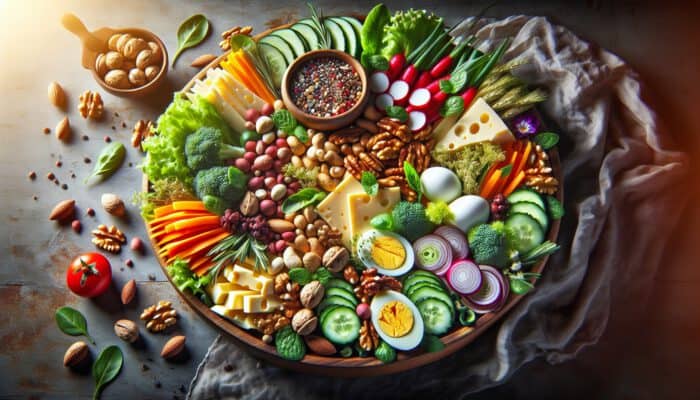
A low-carb snack is generally defined as a snack that contains fewer than 20 grams of carbohydrates per serving. These snacks are excellently crafted for those who aim to lower their caloric intake while still indulging in flavoursome and satisfying bites. This makes them particularly suitable for individuals focused on enhancing their metabolic health and effectively managing their appetite. By selecting low-carb alternatives, you can savour various delightful snacks without undermining your weight loss goals. Typical components found in low-carb snacks include:
- Nuts (e.g., almonds, walnuts)
- Cheese (e.g., cheddar, mozzarella)
- Vegetables (e.g., cucumbers, bell peppers)
- Seeds (e.g., chia, pumpkin)
- Meat and fish (e.g., jerky, smoked salmon)
- Avocados
- hard-boiled eggs
- Nut butters (e.g., almond butter)
By concentrating on these wholesome ingredients, individuals can craft satisfying snacks that seamlessly align with their dietary choices and weight management methods, rendering healthy eating both enjoyable and sustainable.
What Advantages Are Gained from Choosing Low-Carb Snacks?
Selecting low-carb snacks offers numerous benefits that significantly bolster your weight loss efforts. A key advantage is their capacity to diminish feelings of hunger while supplying a consistent source of energy. This aspect is vital for those looking to manage their caloric intake without experiencing deprivation. Many low-carb snacks are nutrient-dense and brimming with essential vitamins and minerals that cater to diverse lifestyles. By integrating these snacks into your daily regimen, you can sustain your typical eating habits while actively advancing towards your health goals.
Additionally, low-carb snacks aid in the regulation of blood sugar levels, ensuring you experience lasting energy throughout the day. By circumventing abrupt spikes and falls in blood sugar, individuals can better manage cravings and maintain focus on their dietary aims. This strategy is particularly advantageous for those with busy routines or engaging in regular physical activity, as it provides the essential fuel needed for optimal performance without the burden of excess calories.
How Can You Easily Prepare Simple and Tasty Low-Carb Snacks?
Crafting low-carb snacks at home can be both simple and enjoyable. By prioritising fresh, whole ingredients, you can elevate both flavour and nutrition, making adherence to a low-carb lifestyle significantly easier. Start by selecting your preferred low-carb items from the list provided previously. A quick yet delightful snack could involve slicing cucumbers and pairing them with cream cheese or a hummus dip crafted from chickpeas and tahini.
Another straightforward method is to prepare nut-based energy balls. Combine nut butter, seeds, and a hint of sweetener like stevia to create a dough. Roll it into bite-sized balls and store them in the refrigerator for a handy grab-and-go option. Alternatively, consider baking cheese crisps by spreading shredded cheese on a baking tray and letting it melt in the oven until it turns golden and crispy. These homemade snacks not only please your palate but also deliver substantial nutrients, supporting your long-term weight management efforts.
What Are the Most Popular Low-Carb Snack Choices?
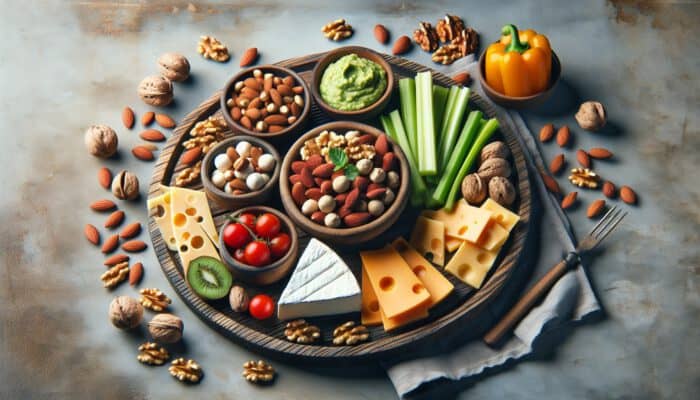
A diverse range of popular low-carb snack options is readily available in Australia, catering to various tastes and preferences. Nuts, for instance, represent a widely adored snack choice, offering healthy fats and protein. Varieties such as almonds, macadamias, and walnuts are not only low in carbohydrates but also rich in vitamins, making them a wise addition to any snack selection.
Cheese stands as another excellent option, available in countless varieties and forms. Whether you enjoy a slice of cheddar or crumbled feta atop a salad, cheese delivers delightful flavours while maintaining low carbohydrate counts. Furthermore, fresh vegetables like bell peppers, celery, and cherry tomatoes can be consumed raw, offering a crunchy texture and refreshing taste. Pairing these vegetables with dips like guacamole or tzatziki can elevate the snacking experience without compromising your dietary objectives.
For those with a sweet tooth, hard-boiled eggs or slices of avocado seasoned with a sprinkle of salt and pepper can serve as satisfying choices. These snacks provide healthy fats and proteins, ensuring prolonged feelings of fullness. The wide variety of options guarantees that individuals can maintain their energy levels and support their weight management without sacrificing taste or variety.
What Challenges May Be Faced with Low-Carb Snacking?
While adopting low-carb snacking habits can yield benefits, individuals may encounter challenges such as maintaining variety or managing cravings. A common issue is the inclination to repeatedly opt for the same snacks, resulting in a lack of excitement in achieving dietary goals. To combat this, explore new recipes or try out different flavour combinations. Incorporating spices or herbs into snacks can introduce thrilling new tastes and textures to your diet.
Cravings also present a significant challenge. Transitioning to a low-carb lifestyle may lead some to miss certain high-carb foods. To address this, pinpoint low-carb alternatives to your favourite snacks. For example, if you typically enjoy chips, consider kale chips or roasted seaweed snacks instead. Keeping a diverse range of low-carb options readily available can help satisfy cravings and keep your snacking habits fresh and enjoyable.
Planning and preparation are vital for long-term success. Dedicating time each week to prepare a variety of snacks ensures you have healthy options when hunger strikes. This practice will reinforce low-carb habits while enhancing overall health and appetite control in your daily life.
What Considerations Should Guide Your Selection of Low-Carb Snacks?
What Essential Factors Should Influence Your Snack Choices?

When selecting the most suitable low-carb snacks, several key factors come into play. First and foremost, nutritional balance is critical; snacks should not only be low in carbohydrates but also provide adequate protein, healthy fats, and a range of vitamins and minerals. This balance ensures that the snacks effectively support weight loss efforts without leading to nutrient deficiencies.
Portion sizes also hold substantial significance. Even low-carb snacks can contribute to weight gain if consumed in excessive quantities. Understanding serving sizes and being mindful of caloric intake can assist individuals in staying focused on their goals. Seek snacks that align with your dietary preferences and objectives; for example, if your goal is to increase your protein intake, select options rich in this macronutrient, such as beef jerky or Greek yogurt.
Another vital aspect is how a snack fits into your overall dietary plan. Reflect on how the snack complements meals and other food choices throughout the day. Ensure it positively contributes to your overall nutrient intake and energy levels, aligning with your long-term health objectives.
Why Is Variety Crucial in Your Snack Selections?
Maintaining variety in low-carb snacking is paramount for preventing boredom and supporting long-term adherence to a healthy eating strategy. When individuals repeatedly consume the same snacks, they may lose interest, ultimately leading to poor dietary choices. Incorporating a diverse range of snack options not only keeps things fresh but also exposes you to different nutrients and flavours, enhancing overall dietary satisfaction.
Different textures and tastes can significantly influence how satisfying a snack feels. For example, combining crunchy nuts with creamy cheese can create a delightful contrast that enriches the snacking experience. Experimenting with seasonal produce can also introduce unique flavours into your routine, making it easier to maintain a low-carb lifestyle.
Moreover, a varied diet can help you meet diverse nutritional needs, such as increasing calcium intake through dairy snacks or boosting fibre through vegetable options. By diversifying your snack choices, you ensure that you are not only enjoying a wide range of flavours but also optimally nourishing your body, reinforcing your commitment to weight management goals.
Are There Hidden Challenges in Low-Carb Snacking?
While pursuing low-carb snacks, individuals may encounter common pitfalls that could impede their progress. A frequent mistake is choosing snacks that appear healthy yet contain hidden sugars or high-carb ingredients. Always scrutinise labels to confirm that the snacks align with your dietary preferences. Many seemingly nutritious options, such as protein bars, can include added sugars and concealed carbs that undermine weight loss efforts.
Another common error is overlooking portion control. It is easy to overindulge in low-carb snacks, mistakenly believing that because they are “healthy,” they can be consumed without limits. To avoid this, practise mindful eating by measuring portions and being aware of serving sizes. Storing snacks in individual containers can effectively manage portions and avert unnecessary caloric intake.
Lastly, some individuals may find it challenging to locate convenient or easy-to-prepare low-carb options. Maintaining a well-stocked pantry filled with pre-approved low-carb snacks can help alleviate this concern. Preparing snacks in advance and keeping them within reach can prevent the temptation to grab higher-carb alternatives when hunger arises.
How Can You Seamlessly Incorporate Low-Carb Snacks Into Your Daily Routine?
Incorporating low-carb snacks into your daily life can be a strategic approach to supporting your weight loss goals. Start by timing your snacks around meals to maintain steady energy levels and stave off overeating. For instance, enjoying a small low-carb snack between meals can help bridge the gap, reducing hunger and promoting better portion control during main meals.
Establishing a consistent routine is essential. Designate specific times for snacking, such as during a mid-morning or afternoon break. This not only fosters a regular eating pattern but also encourages mindfulness regarding your consumption. Pre-packaged or pre-prepared snacks can simplify adherence to your routine, offering quick options for busy days.
Integrating low-carb snacks into social environments can also enhance your experience. Whether at work, gatherings, or events, bringing your own snacks can help you adhere to your dietary goals while still enjoying social interactions. Sharing your low-carb creations can inspire others to explore healthier snacking options, fostering a supportive atmosphere for everyone involved.
Expert Insights on Ideal Low-Carb Snacks for Effective Weight Management
What Recommendations Do Experts Provide for Snack Selections?
Experts widely advocate for the inclusion of low-carb snacks into your dietary regimen as a means to significantly enhance weight loss efforts. Practical strategies grounded in nutritional science underscore the importance of integrating these snacks into daily meals for optimal results. For example, combining a small handful of nuts with a piece of cheese can create a balanced snack that curbs hunger and promotes metabolic health.
Real-life examples illustrate how individuals successfully incorporate low-carb snacks into their routines. Many find that keeping healthy snacks readily available at home or work helps them avoid impulsive purchases of high-carb alternatives. For instance, storing pre-sliced cucumber and cheese in the fridge makes it convenient to opt for nutritious choices throughout the day.
Additionally, experts recommend tracking your intake of low-carb snacks to identify which options yield the best results for your body. This practice can help refine snack choices to align with personal preferences and dietary needs, ensuring that your snacking habits effectively support long-term goals.
How Do Professionals Suggest Monitoring Your Progress?
Monitoring progress is crucial for maintaining weight loss objectives, and experts endorse various methods to achieve this. One effective strategy is to maintain a food diary or utilise a mobile app to log daily meals and snacks. By documenting your food intake, you can identify patterns and make informed adjustments to your dietary choices.
Another approach involves routinely assessing your energy levels and mood in connection to your snacking habits. Observing how different low-carb snacks influence your overall well-being can guide you toward making better choices in the future. For instance, if you find certain snacks lead to increased energy and satiety, prioritising those options can enhance your overall dietary success.
Experts also advocate setting specific, measurable goals for your snacking habits. This could encompass targets such as limiting high-carb snacks or aiming to incorporate a certain number of low-carb options weekly. Regularly reviewing these goals and adjusting them based on your experiences can help maintain motivation and focus, ultimately leading to more effective weight management.
What Insights Do Specialists Offer Regarding Snacking?
Key insights from specialists emphasise evidence-based tips that bolster the effectiveness of low-carb snacks. Firstly, prioritise quality ingredients; whole, minimally processed foods generally provide better nutritional profiles. Focusing on healthy fats and protein in your snacks can lead to increased satiety, diminishing the likelihood of overindulging.
Secondly, being mindful of portion sizes is essential. Even healthy snacks can contribute to weight gain if consumed in excess. Measuring portions and having a clear understanding of serving sizes will assist in supporting your weight loss journey.
Finally, the importance of variety cannot be overstated. Mixing different low-carb options keeps your diet exciting and prevents monotony, making it easier to adhere to your goals. Experimenting with new recipes and incorporating seasonal produce can create vibrant, satisfying snacks that bolster ongoing weight management.
How Do Low-Carb Snacks Elevate Weight Loss Effectiveness?
What Influence Do They Have on Metabolism?
Low-carb snacks can profoundly impact metabolism primarily by stabilising blood sugar levels. When blood sugar remains steady, the body can more efficiently utilise fat for energy. This metabolic process is especially advantageous for individuals striving to lower their body fat percentage or embark on a weight loss journey. Low-carb snacks help prevent sudden spikes and dips in blood sugar, making them a powerful tool for weight reduction.
Moreover, consuming low-carb snacks can encourage the body to enter a state of ketosis, where it uses fat as its primary fuel source. This metabolic shift is particularly beneficial for individuals aiming to optimise their weight loss efforts. By selecting snacks rich in healthy fats and proteins, individuals can support this process and enhance their fat-burning capabilities.
In addition to promoting fat loss, these snacks can provide sustained energy throughout the day. Stable blood sugar levels lead to consistent energy, making it easier for individuals to engage in physical activities and maintain an active lifestyle—both essential components for achieving and sustaining weight loss goals.
Why Are Low-Carb Snacks Ideal for Active Lifestyles?
Low-carb snacks are exceptionally well-suited for active lifestyles due to their energy-sustaining properties. These snacks offer a quick source of fuel that can enhance performance during workouts or daily activities. By maintaining steady energy levels, individuals can stay focused and endure longer, even during intense physical efforts.
Snacking on low-carb options can also aid recovery post-exercise. After a workout, the body requires nutrients to repair tissues and replenish energy stores. Low-carb snacks that include protein-rich ingredients, such as cottage cheese or turkey slices, can effectively promote muscle recovery while keeping carbohydrate intake minimal.
Furthermore, these snacks are conveniently portable, making them ideal for those on the go. Whether hiking a trail in New Zealand or commuting to work in London, having low-carb snacks like beef jerky or nut bars can provide the necessary energy boost while adhering to dietary goals. The flexibility and adaptability of low-carb snacks make them an excellent choice for those looking to maintain an active lifestyle while managing their weight.
What Role Do Nutrients Play in Low-Carb Snacks?
The nutritional profile of low-carb snacks is vital for overall wellness and long-term weight control. Many low-carb options are rich in vitamins, minerals, and essential fatty acids that contribute to a balanced diet. For instance, nuts and seeds provide healthy fats, protein, and fibre, which work together to promote feelings of fullness and support digestion.
Additionally, low-carb snacks often contain antioxidants and anti-inflammatory compounds that enhance overall health. For example, avocados are not only low in carbohydrates but also abundant in potassium and beneficial monounsaturated fats. These nutrients can boost heart health, support cognitive function, and contribute to overall metabolic wellness.
Maintaining a balanced intake of vitamins and minerals through low-carb snacks prevents deficiencies and supports weight management. Ensuring that your diet is diverse in nutrient sources enables you to reap maximum benefits from your food choices, allowing for sustainable weight control and increased energy levels throughout the day.
How Do Low-Carb Snacks Encourage Long-Term Healthy Eating Habits?
Low-carb snacks effectively foster long-term adherence to weight management strategies due to their palatability and variety. Enjoyable and satisfying snacks promote consistent consumption, nurturing sustainable habits that can lead to successful weight loss outcomes. By delighting in a wide range of flavours and textures, individuals are less likely to experience dietary fatigue, which can often result in abandoning nutritional goals.
Incorporating diverse low-carb snacks into daily routines allows for experimentation and discovery, making it easier to retain interest in healthy eating. The ability to customise these snacks to suit personal preferences ensures that they remain enjoyable, which is essential for long-term success. For instance, switching up your nuts or trying new cheeses can keep your snacking experience refreshing and engaging.
Moreover, developing a positive relationship with food is crucial for sustained weight loss. By embracing low-carb snacks that you truly enjoy, you cultivate a more harmonious approach to eating, reducing the likelihood of emotional eating or cravings for high-carb alternatives. This balance contributes to a healthier lifestyle and reinforces the significance of mindful consumption.
Research-Backed Benefits of Leading Low-Carb Snacks for Weight Management
How Do Studies Validate the Effectiveness of Weight Loss?
Research consistently confirms that low-carb snacks can facilitate weight loss by decreasing body fat levels. Numerous studies indicate that individuals who incorporate low-carb options into their diets tend to experience greater fat loss compared to those consuming higher-carb alternatives. This effect is largely due to the stabilisation of blood sugar levels, which leads to diminished hunger and heightened satiety.
Real-world examples highlight practical applications of these findings. For instance, individuals who substituted high-carb snacks for low-carb options reported feeling fuller for longer, resulting in a reduced overall caloric intake. Implementing actionable strategies, such as integrating low-carb snacks into daily routines, can help individuals achieve similar results and maintain a healthy weight.
Furthermore, low-carb snacks can assist in preserving lean muscle mass during weight loss. Studies reveal that individuals consuming adequate protein alongside their snacks experience less muscle loss when reducing caloric intake. This is particularly beneficial for those pursuing successful weight management, as muscle mass is essential for maintaining a healthy metabolism.
What Health Benefits Are Associated with Low-Carb Snacking?
Regular consumption of low-carb snacks has been linked to several health improvements, including increased energy levels and enhanced mood. These benefits arise from the stabilisation of blood sugar levels, which plays a pivotal role in overall well-being. When blood sugar is balanced, individuals often experience fewer mood swings and increased energy, enabling them to manage daily tasks and maintain an active lifestyle.
For many, low-carb snacks serve as a reliable source of sustained energy. For example, individuals consuming high-protein snacks frequently report feeling more energised during workouts and daily activities. This can lead to improved physical performance and a greater capacity to engage in regular exercise, further supporting weight loss efforts.
Additionally, incorporating low-carb snacks may contribute to enhanced mental clarity and focus. Many individuals notice improvements in cognitive function when prioritising low-carb options, as stable blood sugar levels prevent the energy crashes often associated with high-carb diets. This can be especially advantageous in professional or academic settings, where sustained attention is crucial for success.
Are There Long-Term Benefits to Low-Carb Snacking?
The long-term advantages of incorporating low-carb snacks into daily eating habits extend beyond simple weight reduction. Continued consumption of low-carb options has been linked to ongoing improvements in metabolic health, including reduced risk factors for chronic conditions such as diabetes and heart disease. By maintaining stable blood sugar and insulin levels, individuals can lower their chances of developing these health issues over time.
Moreover, adopting a low-carb lifestyle can lead to lasting changes in eating behaviours. Many individuals report that regularly consuming low-carb snacks has assisted them in developing a more mindful approach to food choices. This shift often results in healthier eating patterns that are easier to maintain in the long run.
Another long-term benefit is the potential enhancement of digestive health. Low-carb snacks frequently feature high-fibre ingredients, which can promote gut health and regularity. A well-functioning digestive system is vital for overall wellness and can contribute to sustained success in weight management.
What Factors Contribute to the Popularity of Low-Carb Snacks?
What Drives Their Widespread Appeal?
The rising popularity of low-carb snacks can be attributed to several key factors, including their ease of preparation and effectiveness in curbing cravings. In today's fast-paced environment, people seek convenient snack options that align with their health and weight loss aspirations. Low-carb snacks typically require minimal preparation, making them an attractive choice for busy individuals.
Moreover, low-carb snacks have been proven to effectively reduce hunger and cravings, facilitating the maintenance of the caloric deficit necessary for weight loss. By satisfying appetites without excess carbohydrates, individuals can savour their favourite flavours without guilt or compromise. This dual appeal of convenience and effectiveness has significantly contributed to the broad acceptance of low-carb snacks.
Social media and the rise of health-conscious influencers have also played a crucial role in popularising these snacks. As more people share their success stories with low-carb diets, others are inspired to explore these alternatives. The visibility of low-carb snacks on platforms like Instagram and Pinterest has cemented their place in contemporary eating habits.
How Do Low-Carb Snacks Compare to Other Snack Options?
Low-carb snacks offer various advantages over higher-carb alternatives, particularly concerning satiety and caloric content. Many low-carb options contain healthy fats and protein, which can keep individuals feeling fuller for longer compared to high-carb snacks that often lead to rapid spikes and drops in blood sugar levels.
For instance, choosing a handful of nuts instead of a sugary granola bar can provide better satiety and sustained energy levels. Low-carb snacks generally contain fewer calories per serving, making them a more effective option for those looking to lose weight. The combination of lower carbs and higher nutritional density allows individuals to enjoy satisfying snacks without derailing their dietary goals.
Additionally, low-carb snacks can enhance overall dietary quality. By selecting nutrient-rich options, individuals can increase their intake of essential vitamins and minerals while avoiding empty calories. This not only supports weight management but also promotes overall health and well-being.
What Emerging Trends Are Shaping the Low-Carb Snack Market?
The emergence of low-carb snacks reflects changing preferences in contemporary eating patterns. As more individuals become aware of the health implications associated with high-carb diets, there is a growing demand for convenient, nutritious alternatives. This trend has led to the development of a wide range of low-carb products on the market, catering to various tastes and dietary needs.
Plant-based and gluten-free low-carb snacks are gaining popularity, as consumers seek options that accommodate specific dietary requirements. Numerous brands are now offering innovative snacks made from ingredients like almond flour, coconut flour, and vegetable-based sources that are both low in carbohydrates and high in flavour.
Furthermore, the trend towards meal prepping and healthy snacking is driving the popularity of low-carb options. With more people prioritising their health and wellness, low-carb snacks have become a staple in the diets of those looking to maintain their dietary goals while enjoying delicious foods.
What Nutritional Advantages Do Low-Carb Snacks Provide?
Low-carb snacks deliver numerous nutritional benefits that support overall health and wellness. These snacks typically offer higher amounts of protein and healthy fats, contributing to sustained energy levels and increased satiety. By prioritising these macronutrients, individuals can better manage their appetite and reduce the likelihood of indulging in unhealthy options.
Additionally, many low-carb snacks are rich in essential vitamins and minerals, which play a critical role in maintaining optimal health. For instance, nuts and seeds provide a wealth of nutrients, including magnesium, vitamin E, and omega-3 fatty acids. These components not only support weight management but also promote overall well-being.
Low-carb snacks also help stabilise blood sugar levels, which can have significant effects on energy, mood, and cognitive function. By minimising blood sugar spikes, individuals can experience improved focus and consistency throughout the day. This makes low-carb snacks an ideal choice for those seeking to enhance their performance both physically and mentally.
How Do Low-Carb Snacks Cater to Diverse Dietary Needs?
Low-carb snacks are highly versatile, catering to a variety of dietary preferences and requirements. For individuals with gluten sensitivities or allergies, many low-carb options are inherently gluten-free. Snacks made from nuts, seeds, and vegetables can provide satisfying alternatives without compromising dietary needs.
Moreover, those following ketogenic or low-carb diets will find abundant options available to meet their nutritional goals. From cheese crisps to meat-based snacks, there are numerous choices to satisfy cravings while adhering to strict dietary guidelines.
For individuals with diabetes or those looking to manage blood sugar levels, low-carb snacks can be particularly beneficial. By selecting snacks low in carbohydrates, individuals can avoid rapid glucose spikes associated with high-carb foods, resulting in better overall health outcomes.
Lastly, the growing interest in plant-based diets has led to an increase in low-carb options that cater to vegetarians and vegans. Many brands are now crafting low-carb snacks using plant-based ingredients to ensure that everyone can enjoy delicious and nutritious options that support their dietary preferences.
How to Effectively Integrate Snacks into Your Diet?
What Strategies Ensure Balanced Integration of Snacks?
To ensure balanced integration of low-carb snacks into your diet, begin by establishing a clear snacking schedule that aligns with your daily meals. Timing your snacks strategically can help manage hunger and prevent overeating during meals. For example, consuming a small low-carb snack approximately an hour before lunch can help control your appetite and curb excessive calorie intake during the meal.
Another effective strategy is to be mindful of portion sizes. Preparing snacks in advance and portioning them into individual containers can help you avoid the temptation to overindulge. Consider using measuring cups or a food scale to ensure that your servings are appropriate, thereby keeping your caloric intake in check.
Incorporating low-carb snacks into your meal planning can also facilitate balanced integration. By preparing a variety of snacks each week, you will have healthy options readily available, reducing the likelihood of reaching for high-carb alternatives. This approach can help establish a routine that reinforces your commitment to maintaining a healthy diet while enjoying satisfying snacks.
How to Personalise Snacks to Fit Your Preferences?
Customising low-carb snacks to suit individual preferences is essential for maintaining a sustainable diet. Start by identifying your favourite flavours and textures, then explore recipes or combinations that cater to these tastes. For instance, if you enjoy spicy flavours, consider making spicy roasted chickpeas or adding cayenne pepper to your nut mix for an exciting twist.
Experimenting with different ingredients can help keep your snacks interesting. If you prefer sweet options, opt for low-carb protein bars or Greek yogurt with a sprinkle of cinnamon. Alternatively, savoury snack lovers might enjoy cheese crisps or seasoned vegetables. The key is to discover combinations that satisfy your cravings while remaining within your low-carb limits.
Furthermore, consider involving others in the process. If you are preparing snacks for your family, ask for their input on flavours or ingredients. This can create a more enjoyable snacking experience for everyone and reinforce positive eating habits within the household.
What Tips for Effective Meal Planning Should You Consider?
Effective meal planning is vital for successfully incorporating low-carb snacks into your daily routine. Start by preparing a weekly menu that includes designated snack times, ensuring that you have options readily available when hunger strikes. This can help reduce impulsive choices and keep you focused on your dietary goals.
Creating a shopping list that features a variety of low-carb snacks can simplify your grocery trips. Stock up on a range of ingredients that align with your snack preferences, from nuts and seeds to cheese and vegetables. Having these items on hand will make it easier to prepare healthy options throughout the week.
Consider dedicating time each week to meal prep, concentrating on preparing snacks in advance. Pre-measure and package snacks to ensure portion control, making them easily accessible when you need a quick bite. This proactive approach will foster healthy habits and support your ongoing weight management journey.
How to Sustain Long-Term Weight Loss with Snacks?
What Habits Promote Sustainability in Weight Management?
To maintain long-term weight loss using low-carb snacks, it is essential to develop sustainable habits that can realistically fit into your lifestyle. Establishing a consistent routine around snacking can help reinforce healthy eating patterns. Designate specific times for snacks that complement your daily meals and prevent overeating during larger meals.
Focus on cultivating a positive relationship with food. Instead of viewing snacks as indulgences, consider them as opportunities to nourish your body. Choosing nutrient-dense, low-carb options can enhance your overall well-being while satisfying your cravings, leading to a healthier mindset surrounding eating.
Additionally, be open to adapting your snacking habits as your needs change. As you progress in your weight loss journey, you may discover that your preferences or nutritional requirements evolve. Remaining flexible and willing to try new snacks or recipes can help sustain motivation and keep your diet exciting.
How to Overcome Common Challenges in Low-Carb Dieting?
Overcoming common challenges in maintaining a low-carb diet involves developing adaptive strategies that focus on managing cravings and preserving variety. One effective method is to identify specific triggers for cravings and devise alternative solutions. For instance, if you find yourself longing for sweets, keep a stash of low-carb chocolate or coconut flakes to satisfy those desires without derailing your diet.
Moreover, staying organised can help combat obstacles related to convenience. By maintaining a well-stocked pantry filled with low-carb snacks, you will be less inclined to reach for unhealthy options when hunger strikes. Preparing snacks in advance and keeping them visible can also serve as a reminder to stay on track.
Lastly, consider seeking support from friends or family members who share similar dietary goals. Engaging in group activities centred around healthy eating can provide motivation and accountability, making it easier to overcome challenges and remain committed to your weight loss journey.
What Strategies Can Help Sustain Ongoing Motivation?
Maintaining motivation on your weight management journey is vital for long-term success. One effective strategy is to set achievable milestones related to your snacking habits. This might involve incorporating a specific number of low-carb snacks each week or regularly trying new recipes. Celebrating these small victories can reinforce your commitment and keep you focused on your goals.
Visual reminders, such as progress photos or motivational quotes, can also serve as powerful tools for maintaining engagement. Displaying these reminders in your kitchen or workspace acts as a constant source of inspiration and encouragement.
Consider tracking your progress, not just in terms of weight loss but also regarding how you feel physically and mentally. Keeping a journal to document your experiences with low-carb snacking can help you reflect on what works best for you and reinforce positive habits over time. Embracing a flexible mindset will allow you to adjust your strategies as needed, ensuring that your journey remains enjoyable and fulfilling.
Frequently Asked Questions About Low-Carb Snacking
What Are the Best Low-Carb Snacks for Effective Weight Loss?
Some of the best low-carb snacks include nuts, cheese, hard-boiled eggs, and raw vegetables with dip. These options are nutrient-dense and assist in curbing hunger while supporting weight loss objectives.
Can Low-Carb Snacks Be Consumed Daily?
Yes, low-carb snacks can be seamlessly integrated into your daily diet. Just be mindful of portion sizes and select nutrient-rich options to ensure you meet your overall dietary needs.
Are Low-Carb Snacks Filling?
Absolutely! Low-carb snacks, particularly those high in protein and healthy fats, can be very satiating and satisfying, helping to control hunger between meals.
How Can I Create Healthy Low-Carb Snacks at Home?
Crafting healthy low-carb snacks at home is straightforward by combining fresh ingredients such as nuts, cheese, and vegetables, or preparing options like energy balls or cheese crisps with minimal carbs.
Do Low-Carb Snacks Help Manage Cravings?
Low-carb snacks can effectively manage cravings by providing satiety and stable energy levels, reducing the chances of reaching for high-carb options when hunger strikes.
Is It Beneficial to Consume Low-Carb Snacks During Exercise?
Yes, low-carb snacks can be advantageous before or after exercise. They supply energy and support muscle recovery without causing the rapid blood sugar spikes associated with high-carb snacks.
Can Low-Carb Snacks Be Part of a Balanced Diet?
Absolutely! Low-carb snacks can integrate seamlessly into a balanced diet when they complement your overall nutrient intake and support your health and wellness objectives.
How Can I Avoid Boredom with Low-Carb Snacks?
To prevent boredom, experiment with a variety of low-carb snacks in your diet. Try different flavours, textures, and recipes to keep things exciting.
What Should I Look for When Purchasing Low-Carb Snacks?
When selecting low-carb snacks, scrutinise the ingredient list for hidden sugars and overall carb content. Opt for options that are minimally processed and high in protein and healthy fats.
Are Store-Bought Low-Carb Snacks Healthy?
Many store-bought low-carb snacks can be healthy, but it is crucial to read labels carefully. Look for snacks that are low in added sugars and made with whole ingredients to ensure they align with your dietary goals.
Join us on Facebook for more insights!
The post Top Low-Carb Snacks for Weight Loss: Best Picks appeared first on https://cookinggods.com
The Article Low-Carb Snacks for Weight Loss: Top Choices Was Found On https://limitsofstrategy.com