Master the Art of Layering Foils for Stunning Hair Lift and Vibrancy
What Are Layering Foils and Their Role in Hair Colouring?
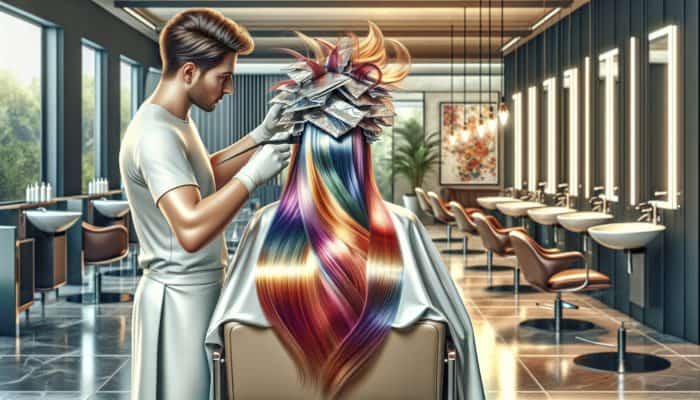
Layering foils embody a sophisticated hair colouring technique that strategically utilises multiple foils to achieve precise lift and tone in the hair. This innovative method empowers stylists with enhanced control and creativity in their colour applications, resulting in remarkable vibrancy and depth. It has quickly become the preferred choice for professional hair colourists aiming for an impeccable finish. To successfully execute layering foils, a variety of essential materials are necessary, including:
- Hair foils (available in either aluminium or paper)
- Hair colour or lightener
- Applicator brush
- Comb for precise sectioning
- Clips for efficient sectioning
- Gloves for hand protection
- Mixing bowl for colour preparation
- Developing cream or activator
These materials are fundamental for establishing a solid foundation for expert application, ensuring that the process is executed efficiently and flawlessly. With the correct tools at your disposal, the transformative capabilities of layering foils can be fully realised, leading to dramatic hair colour transformations that captivate clients and enhance their overall experience.
What Are the Key Advantages of Incorporating Layering Foils in Hair Colouring?
Integrating layering foils into the hair colouring process offers a multitude of benefits that extend far beyond aesthetics. This technique not only enhances the application experience but also elevates the final visual effect. The primary benefits of employing layering foils comprise:
- Increased colour vibrancy
- Creation of multidimensional looks
- Greater control over lift and application
- Reduced processing time
- Minimised product waste
- Customisable colour placements
- Enhanced client satisfaction
These advantages position layering foils as an essential technique within any stylist's toolkit. By amplifying colour vibrancy, stylists can produce visually captivating results that cater to each client's unique preferences. The ability to manage lift and colour placement allows for bespoke creations that reflect individual styles, thereby enhancing the overall salon experience and client loyalty.
How Can You Effectively Prepare for Applying Layering Foils?
Preparation is paramount in ensuring the successful application of layering foils. Before commencing the colouring process, a series of specific preparatory steps should be undertaken to guarantee that everything is organised and ready to proceed. The initial step involves sectioning the hair, which entails dividing it into manageable parts to facilitate precise application. This can be optimised by creating quadrants on the head and securing them with clips to keep the hair neatly out of the way during the application phase.
Selecting the appropriate foils is equally important. Different foil types may be better suited for various desired outcomes; for instance, heavier aluminium foils are more effective at retaining heat, thereby promoting greater lift, while lighter paper foils can be employed for a gentler application. Finally, organising your workspace is crucial. Ensure that all materials are easily accessible and that the area is well-lit to allow for accurate application and thorough inspection of the work. A clean and orderly workspace greatly enhances efficiency and focus during the entire process.
Proven Techniques for Mastering the Application of Layering Foils

How to Choose the Most Suitable Foils for Your Hair Type?
Choosing the appropriate foils for layering is a crucial step that directly impacts the final hair colouring outcome. Your selection should take into consideration several factors, including hair type, desired lift, and colour intensity. For example, fine hair may benefit from thinner, lighter foils to prevent overwhelming the strands, whereas those with thicker hair might find more robust foils advantageous for effectively retaining heat.
When selecting foils, it is also essential to evaluate the specific colouring agents being utilised. Certain formulations yield superior results with specific types of foils, thereby influencing the overall effectiveness of the lift achieved. Moreover, assessing the condition of the client's hair can guide your decisions about which foil type to employ. Healthy hair often withstands more aggressive techniques, while compromised hair may require a gentler approach. Ultimately, understanding these variables facilitates a tailored application that not only meets but exceeds client expectations, resulting in exceptional outcomes.
Master the Art of Sectioning for Layering Foils
Mastering effective sectioning is essential for achieving even lift and consistent colour distribution throughout the layering foil process. Improving your sectioning technique can significantly streamline the application and elevate the final results. Begin by ensuring the hair is dry and free from tangles; this preparation fosters better control as you navigate through each section.
To optimise sectioning for layering foils, partition the hair into quadrants or smaller subsections, depending on the client’s hair density and length. Utilizing clips to secure each section while you work prevents hair from falling into unintended areas, thus reducing the risk of uneven application. Pay close attention to the thickness of each subsection; thinner sections allow for a more controlled application and better penetration of colour. By emphasising organisation and precision during this critical phase, you lay a solid foundation for outstanding results in your layering foils application.
What Techniques Are Essential for Successful Foil Application?
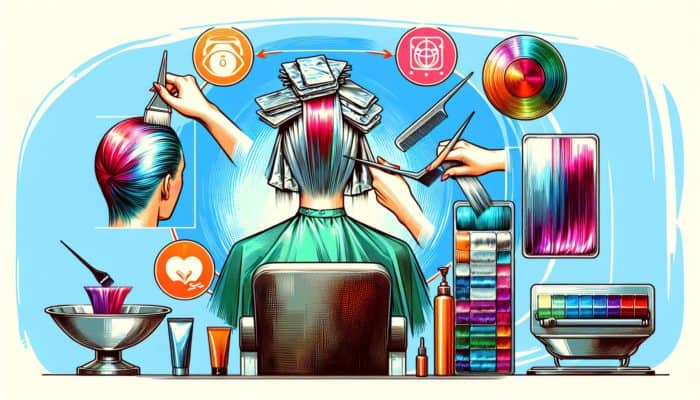
The application of foils requires precise techniques to ensure maximum lift and saturation of colour. To achieve effective results, adhere to these detailed application methods:
- Begin with clean, dry hair, ensuring it is thoroughly detangled.
- Section the hair into manageable parts, securing them with clips.
- Apply the chosen colour or lightener evenly along the hair length.
- Position the foil beneath the section, folding it slightly to create a stable base for the colour.
- Apply the colour onto the hair, ensuring that the product is fully absorbed.
- Fold the foil securely over the hair to trap heat and moisture effectively.
- Repeat this procedure for each section, maintaining consistency across the entire head.
- Monitor processing time according to product recommendations to achieve the desired lift effectively.
By following these techniques, stylists can ensure that the application process is both efficient and successful. Consistency in application is critical for achieving a uniform result, and the use of foils not only isolates the hair being coloured but also helps regulate the lift achieved, leading to impressive outcomes.
Insights from Experts on Mastering the Use of Layering Foils
What You Need to Know About Lift Levels?
Understanding different lift levels is vital for effectively utilising layering foils. The lift level is influenced by the type of foils used, the colour formulation, and the application technique. For instance, employing a high-lift colour alongside well-placed foils can yield up to 4-5 levels of lift in a single application, particularly for clients with lighter hair types.
Moreover, real-world experiences reveal the variability of lift levels achieved with layering foils. A stylist working with a client who possesses naturally light blonde hair may find that they can achieve significantly higher lift compared to a client with dark brown hair. Additionally, the choice of developer strength is essential; using a 40-volume developer can facilitate higher lift levels, whereas a 20-volume developer may be more suitable for achieving subtle highlights.
Comprehending the science behind lift levels empowers stylists to make informed decisions during the colouring process, ensuring that the desired results align with client expectations. By considering all these factors, one can optimise the foiling technique for maximum effectiveness and client satisfaction.
How Can You Create Dimensional Colour Using Layering Foils?
Achieving dimensional colour involves crafting depth and movement within the hair, significantly enhancing its overall appearance. Attaining this effect with layering foils necessitates specific strategies to seamlessly blend shades. One effective method involves employing multiple tones that contrast yet complement each other. For instance, combining warm tones with cooler shades can yield a rich, multidimensional finish.
To create dimensional colour using layering foils, begin by selecting at least two to three shades you wish to blend. While applying the foils, alternate the placement of each colour within the sections. For example, if you are using a light blonde and a medium caramel, place the light blonde foil in some sections while interspersing the caramel within adjacent sections. This technique promotes a natural blend of colours, enhancing visual interest and appeal.
Additionally, consider the thickness of the foils and the spacing between them. Varying the width of the sections and the placement of foils can dramatically influence the resulting dimension. By embracing creativity and experimentation, stylists can craft stunning dimensional looks that breathe life into their clients' hair, leaving them feeling vibrant and renewed.
How to Troubleshoot Common Issues During the Layering Foils Process?
Despite meticulous planning and execution, common issues may arise during the layering foils process, such as uneven lift and colour bleeding. To effectively troubleshoot these problems, it is essential to understand their underlying causes and implement appropriate corrective measures. Uneven lift often results from inconsistent application or sectioning. To remedy this, ensure that you apply equal amounts of colour and that your sections are uniform in thickness.
In cases of colour bleeding, which can occur if products are not adequately isolated, consider using a clean foil for each application and ensuring that the edges are securely sealed. Additionally, closely monitoring processing times can help mitigate potential issues; removing foils prematurely can lead to uneven colour distribution.
Ultimately, resolving these common challenges requires a combination of observation, experience, and adaptability. By being proactive and employing these strategies, stylists can enhance their skills and ensure that clients leave with stunning, beautiful results that reflect their expertise.
How Does Layering Foils Impact Hair Health?
Understanding the Effects on Hair Texture
Layering foils can significantly influence hair texture, impacted by various factors such as the frequency of application and the chemicals used. Frequent use of strong lighteners can compromise hair health, leading to undesirable changes in texture. To minimise damage, it is essential to assess the condition of the hair before initiating the foiling process.
Precautionary measures may involve utilising lower-volume developers, incorporating conditioning treatments, and allowing adequate time between applications. Furthermore, applying bonding agents during the colouring process can help protect the hair’s integrity, ensuring the cuticle remains intact while the colour penetrates effectively. These protective measures are crucial for maintaining the desired texture throughout the layering foils process, thereby enhancing the overall health of the hair.
By prioritising hair health during the process, stylists can achieve remarkable results without compromising hair quality. This careful consideration benefits not only the immediate outcome but also fosters long-term health and vitality for the client’s hair, leading to satisfied customers who appreciate the care taken in the application.
What Are the Best Practices for Maintaining Hair Health Following Layering Foils?
Maintaining hair health after the application of layering foils is critical for preserving both colour and texture. Following the application, it is advisable to implement a comprehensive hair care routine that includes regular conditioning treatments. Deep conditioning masks can provide essential moisture and nutrients, helping to restore any vitality lost during the colouring process.
Minimising heat styling is another essential practice for maintaining hair health. Excessive use of heat tools can exacerbate damage, particularly on hair that has undergone chemical treatment. When heat styling is necessary, utilising a heat protectant spray can create a barrier that reduces the risk of thermal damage.
Furthermore, encouraging clients to engage in regular trims can prevent split ends and maintain overall hair health. By adopting these best practices, clients will not only enjoy vibrant colour but also healthier, more resilient hair in the long run, contributing to their overall satisfaction and loyalty to the salon.
What Are the Long-Term Effects of Layering Foils on Hair?
The long-term effects of layering foils may include challenges such as colour fading and potential hair damage. Over time, exposure to environmental factors, including sun and pollution, can lead to diminished vibrancy. To mitigate these effects, it is advisable to recommend colour-protecting shampoos and conditioners specifically formulated to lock in colour.
Regular salon visits for professional touch-ups can also play a significant role in maintaining the vibrancy of layered foils. Stylists can assess the condition of the hair and suggest appropriate treatments to preserve both colour and texture. Moreover, educating clients about the importance of protecting their hair from UV rays and chlorine can further extend the longevity of their colour and overall hair health.
By proactively addressing potential long-term effects, stylists can ensure that their clients maintain beautiful, healthy hair that continues to shine long after the initial application of layering foils, thereby fostering lasting relationships and repeat business.
Innovative Applications of Layering Foils in Hair Colouring
How to Create Unique Colour Patterns Using Layering Foils?
Creating unique colour patterns can be accomplished through the strategic placement and thickness of foils. By varying foil placement, stylists can craft eye-catching designs. For example, a spiral pattern can be achieved by applying foils in a circular motion around the head, resulting in a striking dimensional effect.
Another approach involves using contrasting colours within the same foil. For instance, placing a dark colour adjacent to a light one can create a stunning juxtaposition that enhances the overall look. The thickness of the foils can also be manipulated; employing thinner foils for highlights next to thicker ones for lowlights can amplify texture and depth, creating a more dynamic appearance.
Experimentation with placement and patterns is essential; the more a stylist explores different techniques, the more innovative their applications become. By embracing bold ideas and stepping outside traditional methods, stylists can realise stunning innovations in colour patterns that cater to diverse client needs.
What Techniques Are Effective for Mixing and Matching Colours?
Mixing and matching colours allows stylists to create unique, personalised looks that resonate with clients. Effective blending of multiple colours requires a keen eye for harmony and balance. Start by selecting colours that complement each other on the colour wheel; for instance, pairing warm tones like golden blonde with cool tones like ash can create a visually appealing contrast.
When applying mixed colours, careful consideration of placement is vital. For example, placing darker shades underneath lighter shades creates depth, while intermingling brighter colours can add dimension. This method not only enhances the overall look but also offers versatility in styling options, allowing clients to express their individuality.
Utilising foils effectively allows the colours to blend seamlessly. Ensure that the edges are feathered during application to prevent harsh lines, facilitating a smooth transition between hues. By mastering the art of mixing and matching, stylists can provide clients with bespoke looks that reflect their unique personalities and style preferences.
How to Implement Artistic Techniques in Layering Foils?
Employing artistic techniques in layering foils involves applying creativity to craft intricate designs and effects. These methods can elevate a standard foiling application into a true work of art. One popular artistic technique is the ‘balayage foil,' which merges traditional foiling with freehand application to create a soft, natural-looking gradient.
Additionally, techniques such as ‘ombre' and ‘sombre' can be achieved through layering foils. By applying lighter shades at the ends and gradually transitioning to darker hues at the roots, stylists can produce a beautiful, seamless appearance. This technique not only enhances the dimensionality of the colour but also adds a contemporary touch to the hairstyle.
Incorporating other artistic elements, such as colour melting, can also enhance the dimensional effect. This technique involves blending colours directly on the hair while using foils to separate sections, resulting in a fluid look that captivates attention. Success with artistic techniques relies on meticulous execution; practising precision and maintaining consistency will ensure stunning results that leave clients thrilled with their new looks.
What Are the Key Benefits of Layering Foils for Mastering Lift?
How Does Layering Foils Enhance Colour Lift?
Enhanced colour lift is a primary advantage of employing layering foils, as this technique allows for targeted application and meticulous control over the lifting process. The ability to isolate specific sections of hair with foils enables stylists to apply colour or lightener precisely where needed, resulting in improved lift without affecting surrounding areas.
By effectively layering foils, colourists can achieve multiple levels of lift simultaneously, which is particularly beneficial when working with clients seeking dramatic transformations. This method diminishes the risk of over-processing hair, a common concern associated with traditional all-over colour applications. Instead, colourists can focus on specific areas, enhancing the overall impact while preserving the hair's integrity and health.
The enhanced control afforded by layering foils not only leads to superior outcomes but also enables stylists to address individual client needs. This level of precision is critical for achieving the desired look and ensuring clients leave the salon with beautifully lifted hair that reflects their unique style.
What Makes Layering Foils Time Efficient for Colouring Services?
Layering foils can significantly streamline the colouring process, rendering it a time-efficient method for achieving vibrant results. The ability to work on multiple sections simultaneously allows stylists to maximise their time effectively. By systematically applying foils, colourists can achieve optimal lift without compromising quality, which is essential in a bustling salon environment.
Utilising layering foils also minimises extensive processing time. Because the foils isolate the hair and trap heat, the colour develops more rapidly, leading to quicker results. This efficiency is particularly beneficial in busy salon settings, where time is often of the essence and client satisfaction is paramount.
Overall, the time-saving advantages of layering foils enhance the salon experience for both stylists and clients. Customers appreciate the swift turnaround without sacrificing the quality of results, contributing to a positive salon atmosphere that fosters client loyalty.
How Does Layering Foils Increase Versatility in Hair Styling?
Layering foils enhance versatility in styling by offering a wide range of colour and lift options. This technique empowers stylists to experiment with various shades and placements, catering to diverse client preferences and styles. As clients become more adventurous with their hair choices, the versatility provided by layering foils becomes invaluable for creating custom looks.
This method adapts easily to different looks, ranging from subtle highlights to bold, dramatic transformations. By encouraging clients to explore distinct colour combinations, stylists can customise their services to meet each individual's unique desires, enhancing satisfaction and encouraging repeat visits.
Moreover, layering foils facilitate creative expression. Stylists can mix, match, and create custom blends that resonate with clients’ personal styles, resulting in a more fulfilling salon experience. This versatility not only boosts client satisfaction but also fosters enduring relationships between stylists and their clientele, ultimately benefiting the salon's reputation and success.
What Are the Benefits of Improved Heat Distribution with Layering Foils?
Layering foils improve heat distribution throughout the hair, contributing to more consistent and effective lift during the colouring process. The foils act as a reflective surface, trapping heat close to the hair and promoting even colour or lightener development. This is particularly advantageous when working with thicker or coarser hair types that require additional heat for optimal lift.
Enhanced heat distribution helps avoid patchiness and uneven colour results, ensuring that the desired lift is uniformly achieved across the sections. By employing layering foils, stylists create a more controlled and efficient environment for colour processing, ultimately leading to superior results.
Ultimately, the consistent application of heat translates into exceptional results, enabling clients to achieve their desired looks without the risk of over-processing. When stylists guarantee even lift, it enhances the quality of service and solidifies their reputation as experts in colour mastery.
How Does Layering Foils Reduce Product Waste?
By implementing layering techniques, stylists can significantly reduce product waste, yielding both economic advantages and supporting environmental sustainability. The targeted placement of colour or lightener within foils means that less product is required overall, as colour is applied directly to the sections needing lift rather than liberally across the entire head.
This reduction in product usage translates into lower costs for salon owners, contributing to improved profitability. Furthermore, minimising waste supports sustainable practices within the industry, as salons aim to reduce their environmental footprint, which is increasingly important in today's eco-conscious market.
Incorporating layering foils into standard procedures not only benefits the salon financially but also appeals to eco-conscious clients who value responsible practices. By embracing this technique, stylists can contribute to a more sustainable future for the beauty industry while delivering exceptional results to their clients.
Research-Backed Benefits of Layering Foils for Mastery of Lift
What Insights Does Research Provide About Colour Retention?
Research indicates that layering foils can significantly enhance colour retention over time, leading to longer-lasting results for clients. The precise application of colour through foils facilitates better penetration of the colour into the hair shaft, resulting in improved longevity and vibrancy.
Real-world examples demonstrate that clients who regularly receive foil applications often report maintaining their colour vibrancy for extended periods, requiring fewer touch-ups. This not only benefits the client but also strengthens the stylist's reputation for delivering high-quality services and results.
Utilising layering foils, therefore, not only meets client expectations but also maximises the effectiveness of the products used, leading to satisfied clients and encouraging repeat visits, ultimately benefiting both the client and the salon.
How Does Analysis of Lift Consistency Support Layering Foils?
Analysing lift consistency shows that layering foils can yield more uniform results compared to traditional applications. The use of foils isolates specific sections, allowing for targeted application that results in even lift across different areas of the hair.
To achieve consistent lift with layering foils, stylists should consistently monitor section size and ensure even product application. Maintaining a steady hand and adhering to established techniques enhances the predictability of outcomes, which is crucial in this field.
This predictability builds trust with clients, as they can rely on stylists to produce consistent results every time. In an industry where reputation is paramount, delivering uniform lift is a key component of success and client retention.
What Do Experts Say About Hair Health in Relation to Layering Foils?
Experts in the field assert that when applied correctly, layering foils can minimise damage to the hair. By focusing on targeted application and monitoring the hair’s health throughout the process, colourists can achieve stunning results without compromising hair integrity.
Offering insights into the benefits of layering foils, professionals emphasise the necessity of regular assessments of hair condition before and after applications. This proactive approach allows colourists to make informed decisions regarding the products and techniques used, ultimately benefiting the hair and enhancing client satisfaction.
By maintaining a strong focus on hair health, stylists can not only achieve beautiful colour results but also educate clients about the importance of caring for their hair, fostering ongoing relationships built on trust and expertise.
How Does Research Evaluate Processing Time with Layering Foils?
Research indicates that layering foils can significantly reduce processing time, benefiting both stylists and clients. The ability of the foils to trap heat enables faster colour development, allowing stylists to achieve desired results in a shorter timeframe. This efficiency is particularly advantageous in busy salon environments, where time is often a critical factor.
Discussing the benefits of this efficiency, many stylists highlight the positive impact on overall client satisfaction. Quick yet effective results lead to a better salon experience, allowing clients to leave feeling satisfied and looking their absolute best.
This efficiency not only enhances the stylist's productivity but also contributes to a positive reputation for the salon, as clients appreciate the balance of quality and speed in service, fostering long-term loyalty.
How Does Client Satisfaction and Feedback Reflect the Success of Layering Foils?
Surveys indicate an increase in client satisfaction with results from layering foils, underscoring the technique's effectiveness. Clients frequently report a marked improvement in the vibrancy and longevity of their colour, leading to numerous positive testimonials and word-of-mouth referrals for salons that utilise this method.
Feedback highlights that clients appreciate the tailored approach achieved through layering foils, as it allows for personalised colour outcomes that align with their individual styles and preferences. The ability to create stunning, multidimensional looks results in clients leaving the salon feeling confident and satisfied with their new appearance.
By prioritising client satisfaction and actively seeking feedback, stylists can continuously refine their techniques and ensure they remain attuned to the needs of their clientele, fostering long-term relationships that benefit both parties and ensure the salon's success.
How to Educate and Train Stylists for Mastery of Layering Foils?
What Should Comprehensive Training Programmes for Stylists Include?
Comprehensive training programmes for stylists should encompass both foundational and advanced techniques of layering foils. Teaching new stylists the basics, such as sectioning, product application, and foil placement, is essential. However, it is equally important to delve into advanced concepts, including the art of colour blending and troubleshooting common issues that may arise in practice.
Hands-on practice is crucial within training programmes, allowing stylists to develop their skills in real-world settings. Incorporating interactive elements such as demonstrations, peer reviews, and group workshops can foster a collaborative learning environment. This comprehensive approach ensures that stylists are well-equipped to handle a diverse range of client requests and preferences, enhancing their overall confidence and capability.
By establishing robust training programmes that encompass both foundational and advanced techniques, salons can cultivate a team of highly skilled professionals who are confident in their ability to execute layering foils effectively, leading to enhanced client satisfaction and loyalty.
How Do Workshops and Seminars Benefit Stylists?
Workshops and seminars offer invaluable opportunities for stylists to enhance their skills through hands-on experience and networking. These events can focus specifically on layering foils, providing participants with the chance to learn from industry experts and collaborate with their peers.
During workshops, stylists can practice new techniques, receive immediate feedback, and refine their skills in a supportive environment. Additionally, networking opportunities enable stylists to connect with others in the industry, fostering relationships that can lead to future collaborations or mentorships.
By participating in workshops, stylists can remain updated on the latest trends and techniques in layering foils, ensuring that their skills remain relevant and competitive in a constantly evolving industry, ultimately benefiting their clients and their careers.
What Online Resources and Tutorials Are Available for Stylists?
Online resources and tutorials provide flexible learning options for stylists mastering layering foils. Numerous platforms offer video tutorials, step-by-step guides, and forums where stylists can discuss techniques and share experiences. These resources allow stylists to learn at their own pace while still accessing valuable information from industry professionals.
When selecting online resources, it is crucial to choose reputable sources that align with current industry standards. Engaging with platforms that offer certification or accreditation can enhance credibility and ensure that stylists receive high-quality education.
The accessibility of online learning enables stylists to continuously improve their skills and stay informed about the latest innovations in layering foils, ultimately benefiting their clients and contributing to their overall professional development.
How Can Mentorship and Peer Learning Elevate Stylist Skills?
Mentorship and peer learning serve as powerful avenues for skill development and confidence-building in layering foils. By establishing mentorship programmes, experienced stylists can guide newcomers through the intricacies of the technique, offering insights and sharing best practices.
Peer learning, on the other hand, fosters collaboration and the exchange of ideas among stylists. This cooperative approach nurtures a sense of community and encourages the sharing of unique techniques that may not be covered in formal training programmes.
Both mentorship and peer learning enrich the stylist's experience, allowing them to grow their skills in a supportive atmosphere. By embracing these collaborative learning approaches, stylists can enhance their mastery of layering foils, ultimately benefiting their clientele and elevating their craft to new heights.
Advanced Techniques for Layering Foils to Master Lift
How to Tailor Techniques for Different Hair Types?
Customising techniques for layering foils based on hair type and texture is essential for achieving optimal results. Different hair types respond uniquely to colour applications, necessitating adjustments in the application technique. For example, fine hair may benefit from lighter formulations and smaller sections to avoid overwhelming the strands, while thicker hair might require more product and larger sections to ensure even lift.
When working with curly or coily textures, it is important to consider the natural shrinkage of the hair. Adjusting the section sizes and product application can help maintain the desired lift while respecting the hair's natural curl pattern. Additionally, understanding how various hair types absorb colour can inform decisions about processing times and product choices to optimise outcomes.
By tailoring the application of layering foils to suit individual hair characteristics, stylists can achieve remarkable results that respect the integrity of the hair while delivering stunning colour outcomes that leave clients thrilled with their new looks.
What Are the Benefits of Integrating Layering Foils with Other Colouring Techniques?
Integrating layering foils with other colouring techniques can enhance overall results, allowing for a multifaceted approach to hair colour. Techniques such as balayage, ombre, or even colour melting can be effectively combined with foiling to create unique and dynamic looks that resonate with clients.
For instance, a stylist might use foils to achieve a high lift at the roots while applying a balayage technique on the mid-lengths and ends for a more natural transition. This combination not only adds dimension but also allows for creative expression that appeals to clients seeking a bespoke look that reflects their individual style.
By continuously experimenting with the integration of various techniques, stylists can expand their repertoire and offer clients innovative solutions that push the boundaries of traditional hair colouring, leading to increased client satisfaction and loyalty.
How to Stay Informed About the Latest Trends in Hair Colouring?
Staying informed about the latest trends in hair colouring is crucial for stylists aiming to remain competitive in the industry. Following industry leaders on social media, subscribing to professional magazines, and attending trade shows are effective methods for keeping abreast of emerging techniques and styles.
In the realm of layering foils, current trends might include the rise of pastel colours, creative patterns, or the resurgence of natural-looking highlights. Understanding these trends allows stylists to adapt their techniques accordingly and meet the evolving demands of their clients, ensuring they remain at the forefront of the industry.
Continuously learning about new advancements and trends can significantly enhance a stylist's skill set and ultimately lead to increased client satisfaction and retention, cementing their position as a sought-after professional in the beauty industry.
What Are the Best Practices for Optimising Foil Placement for Maximum Lift?
Optimising foil placement is crucial for achieving maximum lift during the layering foils process. The strategic positioning of foils can significantly influence the resulting lift and colour vibrancy. Effective placement should consider the natural direction of hair growth as well as the desired outcome.
For maximum lift, foils should be positioned to follow the natural contours of the head, ensuring that each section receives equal attention. Additionally, staggered placement can create a more natural flow, preventing harsh lines and promoting even colour distribution across the sections.
By mastering the nuances of foil placement, stylists can enhance their results and create stunning, dimensional looks that not only meet their clients’ expectations but also showcase their professional skills and creativity. Attention to detail in foil placement distinguishes an average application from a masterful one, ultimately leading to client satisfaction and loyalty.
Frequently Asked Questions
What Specific Applications Are Layering Foils Used For?
Layering foils are utilised in hair colouring to achieve precise lift and colour application, enabling stylists to create dimensional looks and vibrant shades tailored to client preferences.
How Can I Select the Most Suitable Foils for My Hair Type?
Choose foils based on your hair type and desired lift; lighter foils are recommended for finer hair, while thicker foils are more suitable for coarser textures to enhance results.
Is There a Risk of Hair Damage with Layering Foils?
When applied correctly and with appropriate products, layering foils can minimise damage and maintain hair health while achieving the desired colour results.
How Long Does the Foiling Process Generally Take?
The foiling process typically takes between 1 to 3 hours, depending on the desired look and the thickness of the hair being treated.
What Distinguishes Foils from Balayage Techniques?
Foils involve wrapping sections of hair in foil for colour processing, while balayage is a freehand technique that creates a more natural gradient effect without the use of foils.
How Frequently Should I Schedule My Hair Foiling Appointments?
It is generally recommended to schedule foiling appointments every 6 to 8 weeks to maintain colour vibrancy and manage regrowth effectively.
What Maintenance Should I Follow After Foiling My Hair?
Use colour-safe shampoos and conditioners, avoid excessive heat styling, and consider regular conditioning treatments to maintain your colour and hair health.
Is it Feasible to Perform Layering Foils at Home?
While it is possible to do layering foils at home, it is advisable to consult with a professional stylist for the best results, especially for complex techniques that require expertise.
What Are the Current Trends in Foiling Techniques?
Current trends include pastel shades, creative placement patterns, and the combination of foils with other techniques like balayage, providing added dimension and interest.
How Can I Address Issues with Uneven Lift When Using Foils?
To troubleshoot uneven lift, ensure consistent section size, apply equal amounts of product, and closely monitor processing times throughout the application.
Connect with us on Facebook!
The Article: Layering Foils for Lift Mastery: Techniques and Tips appeared first on Amitys Hair Salon.
The Article Layering Foils for Lift: Expert Techniques and Tips Was Found On https://limitsofstrategy.com