Embark on an Unforgettable Diving Adventure in Unique Locations
What Drives Divers to Seek Out Extraordinary Diving Locations?
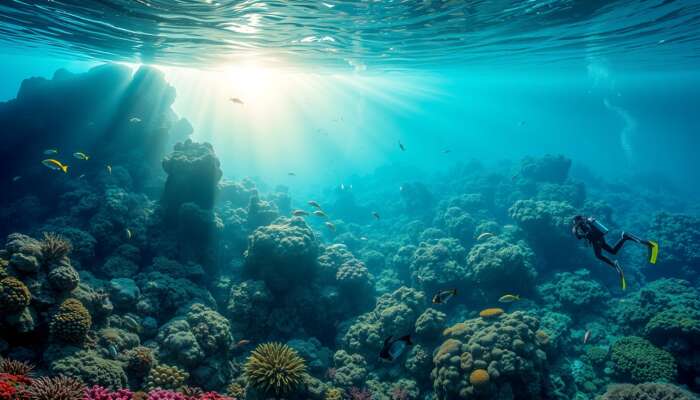
Diving in unique locations is not merely an adventure; it is an exhilarating experience, as each dive site presents a distinctive blend of marine life and geological formations. At XamanekBelize, we are dedicated to enhancing your diving journey through our Belize Travel Guide, tailored specifically for divers and adventure enthusiasts. This ensures that you will have unforgettable underwater experiences that you will cherish for a lifetime.
Our guide is specifically crafted to monetise your adventure by offering comprehensive travel packages, thrilling diving tours, and invaluable local insights. These resources are designed to maximise your enjoyment while uncovering the hidden gems of Belize. The guide includes essential elements such as top diving spots, vital safety tips, and enriching cultural experiences, thus serving as a complete resource for diving aficionados.
Highlighted features within our guide include:
- Detailed information about premier diving locations
- Safety protocols and recommended diving equipment
- Insights on local conservation efforts and cultural contexts
- Seasonal diving conditions and marine biodiversity
- Expert tips for dive planning and resources
How Do Environmental Conditions Influence Your Diving Experience?
The environmental conditions of the water play a crucial role in shaping the overall diving experience. Key factors such as water temperature, visibility, and currents significantly impact how enjoyable and safe your dives can be. For instance, warmer waters typically attract a more diverse range of marine species, which enhances the thrill of your dives.
Visibility is just as important. Clear waters allow divers to see further distances and appreciate the beauty of the underwater environment, whereas murky waters can cause disorientation. At the Great Blue Hole, divers often benefit from visibility exceeding 100 feet, providing breathtaking views of varied marine life and intricate coral formations.
Currents also present various challenges. While strong currents can add excitement for experienced divers, they may pose risks to those with less experience. Understanding local conditions, including tidal movements and seasonal variations, is essential for ensuring a safe and enjoyable diving experience. By staying informed about weather forecasts and local advisories, divers can effectively tailor their diving plans to suit prevailing conditions.
What Risks Should You Be Aware of When Diving?
What Challenges Might Divers Face in Unique Diving Environments?
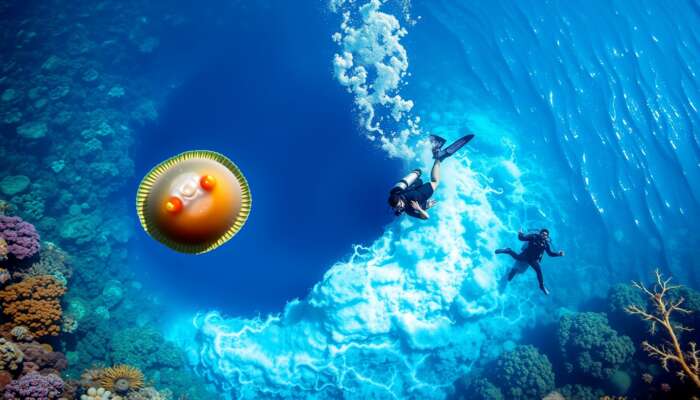
Diving in complex environments such as the Great Blue Hole presents several potential risks. One significant challenge is the presence of strong currents, which can change unexpectedly, leading to situations requiring drift diving. This necessitates thorough planning and awareness of exit strategies to ensure safety.
Additionally, marine hazards pose another considerable risk. While many marine creatures are harmless, some, such as jellyfish and barracudas, can present serious dangers. It is crucial for divers to understand the behaviours of local marine life to navigate potential encounters safely.
Moreover, equipment failures represent a significant risk factor. Regular maintenance and checks of diving gear are critical for ensuring safety. Divers should also practice emergency procedures, including managing buoyancy and air supply, to prepare for unforeseen situations. Comprehensive training, meticulous planning, and heightened awareness are vital components in mitigating risks, ensuring a successful diving experience.
How Do Unique Diving Locations Promote Skill Development?
Diving in diverse environments offers unparalleled opportunities for skill enhancement. Unique locations, such as the Great Blue Hole, challenge divers to adapt their techniques to rapidly changing topography and marine life. This adaptability fosters the development of essential skills like buoyancy control, navigation, and emergency response.
As divers encounter varying conditions and obstacles, they gain opportunities to refine their skills, thereby increasing their confidence and proficiency. Adapting to different visibility and current conditions enhances critical problem-solving abilities, which are vital for ensuring both safety and enjoyment during dives.
Furthermore, engaging with unique marine ecosystems deepens divers’ understanding of underwater environments and the importance of conservation. Divers learn to appreciate and respect fragile ecosystems, enhancing their environmental awareness and commitment to stewardship.
What Cultural Experiences Await You While Diving?
How Does Local Culture Enrich Your Diving Experience?
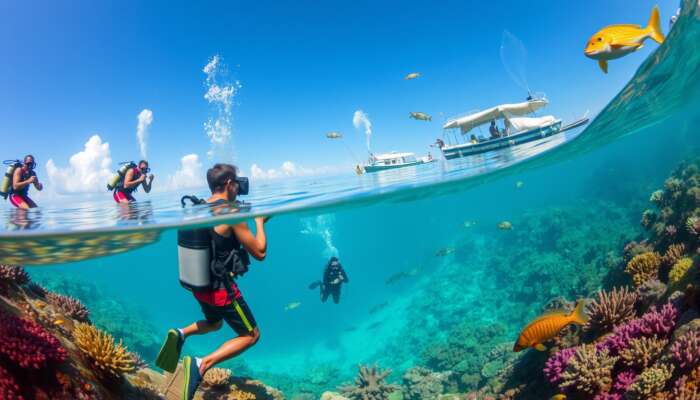
Diving in extraordinary locations often reveals rich cultural experiences. Sites like the Great Blue Hole encapsulate the essence of local culture, history, and community. By interacting with local dive operators, divers gain valuable insights into the traditions and lifestyles of individuals living near these unique diving spots.
Many dive operators in Belize prioritise local conservation efforts, sharing inspiring stories of community collaboration aimed at protecting marine environments. By participating in these initiatives, divers contribute to local preservation efforts while developing a deeper appreciation for the cultural significance of these sites.
Moreover, indulging in local cuisines and customs enhances the overall diving experience. Savoring freshly caught seafood or engaging in cultural activities after diving adds meaningful layers to your travel journey. This comprehensive approach nurtures a stronger connection between divers and the communities they explore, fostering responsible tourism practices.
What Expert Insights Can Enhance Your Diving Experience at the Great Blue Hole?
What Are Real-World Examples of Memorable Dives?
Experiences at the Great Blue Hole have profoundly impacted many diving enthusiasts. One diver recalls their initial descent, describing how the vibrant colours and formations created an ethereal underwater landscape. Testimonials like these illustrate the depth of satisfaction that unique dive locations can provide, inspiring divers to meticulously plan their adventures.
Experienced divers assert the importance of pre-dive briefings and local knowledge for successful diving experiences. Case studies from various dive groups demonstrate how collaborative experiences can enhance both safety and enjoyment.
Diving organisations document successful dives at the Great Blue Hole, noting varied experiences based on different skill levels and environmental conditions. These narratives offer valuable insights into best practices, including effective dive planning, gear preparation, and strategies for interacting with marine life.
What Dive Gear Should You Consider for Your Adventure?
Selecting appropriate dive equipment is essential for maximising safety and enjoyment. The fundamental gear typically includes a wetsuit or drysuit, chosen according to water temperatures. A high-quality dive computer is vital for monitoring depth and ascent rates throughout your dive.
Buoyancy control devices (BCD) are essential for maintaining optimal positioning within the water column. Choosing high-visibility fins and masks enhances safety, ensuring you can see clearly in various conditions. Weight belts must be adjusted based on body type and gear to ensure proper buoyancy throughout your dive.
Additionally, portable safety devices, such as underwater signalling instruments, are crucial for maintaining safety during dives. Divers should also carry a first-aid kit equipped for underwater emergencies. Selecting the right gear tailored to the unique conditions of the Great Blue Hole empowers divers to maximise enjoyment while ensuring their safety.
What Steps Should You Follow to Effectively Plan a Dive Trip?
Planning a successful dive trip to the Great Blue Hole involves several crucial steps. First, conduct thorough research on local dive operators that offer tailored packages suited for divers of all skill levels. Reading reviews can provide essential insights into their reliability and expertise.
Next, evaluate your skill level to select dive sites that align with your capabilities. Verify whether the chosen operator offers appropriate courses or guides for novice divers.
Considering the season is imperative, as weather conditions and visibility of marine life can vary significantly. Checking dive conditions and forecasts in advance allows for better planning and preparation.
Finally, ensure that your diving equipment is well-maintained and that any necessary certifications are up to date. Packing essential gear, including personal items and safety devices, sets the foundation for an enjoyable and smooth diving adventure.
How Do Environmental Factors Influence Your Diving Experience?
What Role Does Marine Life Play in Your Dive Journey?
Understanding marine life can significantly enhance your diving experience and promote conservation efforts. The Great Blue Hole is home to a diverse array of marine species, including sharks, rays, and vibrant tropical fish. These encounters not only create thrilling experiences but also educate divers about the delicate balance of the underwater ecosystem.
Recognising the complexities of the ecosystem inspires divers to take active roles in conservation initiatives. Knowledgeable divers can share responsible practices that minimise human impact on marine life, thus contributing to the health of these environments.
Moreover, divers should be aware of seasonal patterns, as various species may migrate or spawn at specific times. This knowledge can greatly influence dive planning, increasing the chances of witnessing captivating marine behaviours.
What Impact Does Weather Have on Dive Conditions?
Weather is a significant factor that influences dive conditions, affecting aspects such as visibility, safety, and comfort. Understanding local weather patterns is essential for divers exploring the Great Blue Hole. Wind conditions can create choppy waters, which may hinder visibility. Consulting weather forecasts helps divers anticipate potential challenges.
Rainfall can stir up sediment in the water, significantly reducing visibility. In contrast, calm and sunny days typically yield clearer waters. Being aware of expected conditions allows divers to choose the best times for their dives.
Temperature fluctuations also affect dive comfort. Proper exposure protection, such as wetsuits, is vital for maintaining comfort levels during your dive. Gaining knowledge about weather patterns enables divers to make informed decisions, ensuring a safe and enjoyable underwater adventure.
What Should You Know About Tides When Diving?
Tides play a crucial role in determining dive site accessibility and conditions. Understanding tidal movements is vital for effectively timing dives at the Great Blue Hole. Tidal currents can impact both visibility and the movement patterns of marine life.
Timing dives around slack tide often leads to better visibility and enhanced safety. Conversely, diving during strong tidal currents can provide exhilarating experiences but also introduces certain risks. Consulting with dive operators can help tailor dive schedules for optimal conditions.
Furthermore, tidal movements can influence the availability of specific marine species. Knowledge of how tides affect dive conditions is essential for maximising your underwater experience.
What Proven Strategies Can Enhance Your Diving Adventure?
How Can You Communicate Effectively While Underwater?
Effective communication underwater is essential for maintaining safety and coordination. Utilising hand signals allows divers to convey crucial messages without the need for verbal communication. Establishing standardised signals prior to diving streamlines interactions and ensures clarity.
In addition to hand signals, divers may employ underwater communication devices for more complex interactions. Conducting regular checks on each other’s equipment and air supply also forms an important aspect of underwater communication.
Buddy checks are fundamental for promoting safety and reinforcing teamwork among divers. By staying attuned to each other’s status, divers can help prevent accidents and enjoy a more confident diving experience.
What Guidance Is Available for Navigating Complex Diving Environments?
Navigating intricate underwater environments requires careful preparation and strategic thinking. Divers should familiarise themselves with the layout of the dive site, including potential hazards and current patterns. Pre-dive briefings provided by local guides can offer invaluable insights into the area.
When diving in regions with strong currents, mastering techniques for managing your position becomes crucial. Drift diving can be thrilling, but it necessitates awareness of your surroundings and orientation.
Divers should remain flexible and ready to respond to unexpected conditions. Changes in currents or visibility can demand quick decision-making. Preparation, situational awareness, and adaptability are essential strategies for successfully navigating unique diving environments.
What Are the Best Practices for Ensuring Dive Safety?
Prioritising safety is critical when diving, especially in distinctive environments. First and foremost, adhere to established safety protocols, including buddy systems. Diving alongside a partner enhances safety and provides crucial support during emergencies.
Conducting regular equipment checks is vital to ensure that gear functions properly. Before every dive, perform thorough inspections of regulators, buoyancy control devices, and dive computers to guarantee safety.
Establishing dive limits based on individual skill levels contributes to overall safety. New divers should start with shallower dives, gradually progressing to greater depths as they build confidence and proficiency.
Monitoring air supply and planning dives accordingly is essential. Understanding ascent rates and implementing safety stops helps prevent decompression sickness. Embracing these best practices allows divers to enjoy their underwater explorations with peace of mind.
What Equipment Is Recommended for Diving in the Great Blue Hole?
Choosing the right gear is crucial for a successful diving experience at the Great Blue Hole. Divers should select wetsuits or drysuits that provide insulation while allowing for flexibility. Given the varying water temperatures, proper exposure protection is essential.
The Article Great Blue Hole of Belize: Essential Diving Tips for Enthusiasts appeared first on Belize Travel Guide
The Article Diving Tips for the Great Blue Hole of Belize Enthusiasts Was Found On https://limitsofstrategy.com