As experienced optometrists, we frequently receive inquiries regarding the potential of nutritional supplements to genuinely enhance eye health or alleviate persistent symptoms. For various eye-related conditions, maintaining proper nutrition plays a crucial supportive role. One area with substantial scientific research backing is dry eye disease, where appropriate nutrition and targeted supplementation can provide noteworthy benefits.

Numerous clinical studies consistently demonstrate that a well-balanced diet, combined with specific supplements, can enhance tear quality, diminish inflammation, and foster long-term comfort in the eyes. This compelling evidence underscores the importance of integrating supplements into a comprehensive management plan to effectively tackle dry eye symptoms.
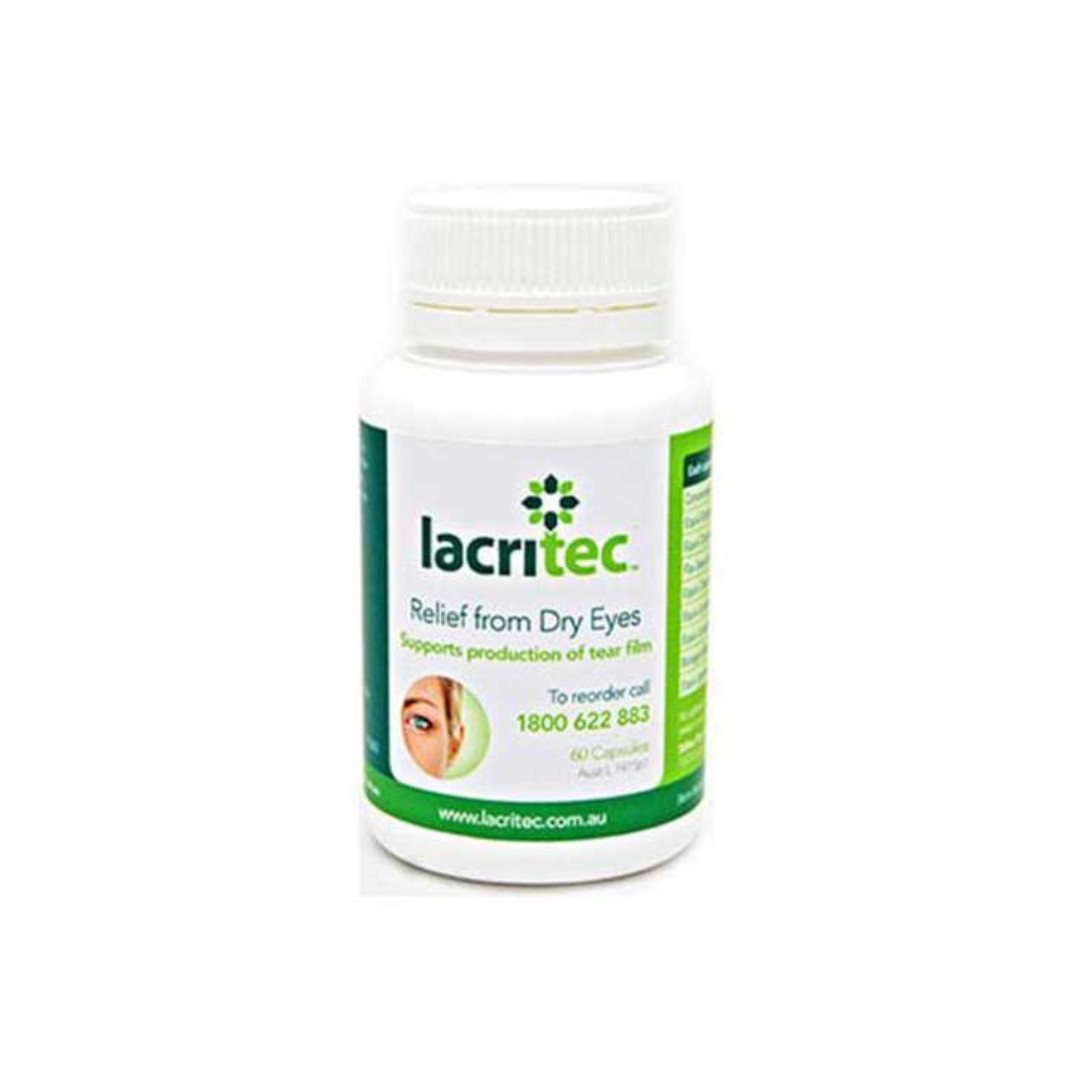
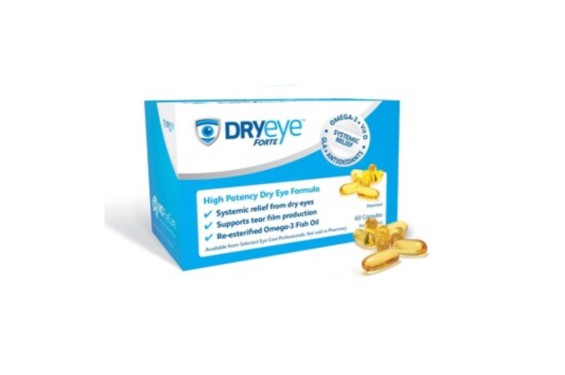
Two widely recognised supplements in this context are Lacritec and DRYeye Forte. While both products are aimed at alleviating dry eye symptoms, they differ significantly in their formulations, strength, and the overall efficacy of their ingredients within the human body.
This comparative analysis elucidates these differences, empowering you to make an informed decision regarding your approach to managing dry eye symptoms effectively.
In-Depth Ingredient Breakdown for Lacritec and DRYeye Forte
Key Ingredients Present in DRYeye Forte
- Each capsule contains 667 mg of re‑esterified omega‑3 triglycerides
- 240 mg of EPA
- 160 mg of DHA
- 455 mg of borage oil providing 100 mg of GLA
- Vitamin D3 at 200 IU
- Natural vitamin E at 40 IU
Primary Ingredients in Lacritec
- Each capsule contains 332 mg of omega‑3 triglycerides
- 134 mg of EPA
- 66.8 mg of DHA
- 334 mg of flaxseed oil
- Provides 192 mg of ALA
- 434 mg of borage oil supplying 95.5 mg of GLA
- Contains no vitamin D3
- Contains no vitamin E
Understanding the Importance of Various Omega‑3 Fatty Acids
While both supplements contain omega‑3 fatty acids, it is vital to recognise that not all omega‑3s function similarly within the human body.
Lacritec incorporates flaxseed oil, which provides ALA. Although ALA is acknowledged as an omega‑3 fatty acid, the human body only converts a small percentage of ALA into the more crucial forms necessary for alleviating dry eye symptoms, specifically EPA and DHA. Research indicates that the conversion rates of ALA to EPA hover around 8–12 percent, with most ALA being utilised as an energy source rather than for the benefit of eye health.
Conversely, DRYeye Forte delivers EPA and DHA directly, using higher concentrations in a re‑esterified format. This sophisticated manufacturing technique enhances both absorption and bioavailability, ensuring that a more significant portion of the active ingredients effectively reaches the tissues where they are most needed.
When assessing the effective amounts of EPA and DHA:
- Three capsules of DRYeye Forte furnish a considerably greater quantity of EPA and DHA compared to three capsules of Lacritec.
- To achieve the same EPA and DHA content as found in three capsules of DRYeye Forte, you would need to take roughly six Lacritec capsules.
Both supplements recommend commencing with three capsules daily during the treatment phase, rendering this difference clinically significant for users seeking effective relief from dry eye symptoms.
Assessing the Quality and Sourcing of Fish Oil Used in Supplements
Both Lacritec and DRYeye Forte are produced in Australia and utilise premium fish oils derived from small, cold-water fish such as sardines and anchovies sourced from Peru. Smaller fish typically accumulate fewer toxins, making them a more secure choice for supplementation. Both oils undergo stringent purification and deodorisation processes to eliminate impurities and reduce any undesirable fishy aftertaste.
DRYeye Forte contains re‑esterified triglyceride fish oil, which has demonstrated superior absorption compared to traditional ethyl ester forms. This innovation not only enhances consistency but also minimises gastrointestinal discomfort for many users, rendering it a preferred selection.
Exploring the Impact of Vitamin D and Vitamin E on Eye Health
A significant distinction between the two supplements is that DRYeye Forte includes both vitamin D3 and natural vitamin E in its formulation, which can greatly affect eye health.
The Beneficial Effects of Vitamin D3 on Eye Health
Research has identified a strong association between low vitamin D levels and dry eye symptoms. Studies suggest that vitamin D may:
- Reduce ocular inflammation
- Enhance tear stability
- Promote healing of the ocular surface
- Alleviate light sensitivity and overall ocular discomfort
The Multifaceted Advantages of Vitamin E
Vitamin E plays a crucial dual role. It not only provides antioxidant and anti-inflammatory benefits but also protects omega‑3 fatty acids from oxidative damage. Long-term fish oil supplementation can increase the body's requirement for vitamin E, making its inclusion vital for maintaining balance and optimising omega‑3 metabolism.
In contrast, Lacritec lacks either vitamin D3 or vitamin E, which may limit its overall effectiveness in supporting eye health.
Assessing the Safety Profile and Tolerability of Supplements
Both supplements are generally well tolerated when taken according to the specified dosage recommendations.
Potential side effects from either product may include mild gastrointestinal disturbances such as reflux, bloating, or loose stools. These effects are usually dose-dependent and can vary from person to person.
Individuals on blood-thinning medications or those with bleeding disorders should consult a healthcare professional prior to initiating either supplement.
Due to the presence of vitamin D3 in DRYeye Forte, individuals with hypercalcemia, kidney disease, or conditions sensitive to vitamin D should seek medical advice before usage. In such scenarios, Lacritec may be a more suitable option due to its absence of vitamin D.
As with all supplements, it is prudent to consult a healthcare provider if you are pregnant, breastfeeding, or managing chronic health conditions.
Selecting the Optimal Supplement to Suit Your Needs
For many individuals experiencing moderate to severe dry eye disease, DRYeye Forte offers more comprehensive and targeted support. This is attributed to:
- Higher concentrations of effective EPA and DHA
- Enhanced absorption through the use of re‑esterified fish oil
- Inclusion of vitamin D3 and vitamin E, which aid in managing inflammation and supporting tear production
Lacritec may still be appropriate for those with very mild symptoms or individuals who cannot tolerate vitamin D supplementation.

Key Insights and Recommendations for Managing Dry Eye Symptoms
Both supplements can significantly contribute to alleviating dry eye symptoms; however, they are not interchangeable.
DRYeye Forte provides higher therapeutic dosages of the most effective omega‑3 fatty acids, along with additional nutrients that assist in managing inflammation, improving tear quality, and supporting ocular surface health. For numerous patients, this results in more effective symptom relief with fewer capsules required daily.
Ultimately, the ideal supplement is one that integrates seamlessly into a personalised dry eye treatment plan. If you are uncertain about which product is most suitable for your requirements, we recommend seeking guidance from your optometrist or healthcare provider for tailored advice.
Lacritec vs DRYeye Forte Frequently Asked Questions
Which supplement offers superior relief from dry eye symptoms: Lacritec or DRYeye Forte?
For the majority of individuals dealing with moderate to severe dry eye symptoms, DRYeye Forte emerges as the more effective option. It contains higher levels of EPA and DHA, the active omega-3 fatty acids known to reduce inflammation and enhance tear quality, along with vitamin D3 and vitamin E for added support. Lacritec may still be beneficial in milder cases or when vitamin D supplementation is not recommended.
What are the main differences between Lacritec and DRYeye Forte?
The key difference lies in their formulations and potency. DRYeye Forte features highly bioavailable re-esterified fish oils that deliver clinically significant doses of EPA and DHA, supplemented by vitamin D3 and natural vitamin E. In contrast, Lacritec employs flaxseed oil, which provides ALA — an omega-3 source that is less efficient and has limited conversion into EPA and DHA.
How many Lacritec capsules are necessary to match the EPA/DHA dosage in DRYeye Forte?
To obtain the same levels of EPA and DHA found in three capsules of DRYeye Forte, you would need to consume approximately six Lacritec capsules. This is due to Lacritec's lower omega-3 concentration and its dependence on ALA, which only partially converts into the more bioactive forms that the body requires.
Is it safe to take DRYeye Forte if I have kidney disease or elevated calcium levels?
If you have kidney disease or hypercalcemia, it is essential to consult your healthcare provider before commencing DRYeye Forte. The presence of vitamin D3 may not be appropriate for individuals with these conditions. In such instances, Lacritec, which does not contain vitamin D, may be a more suitable alternative.
Will I need to take dry eye supplements indefinitely?
Not necessarily. Many individuals initiate treatment with a higher dosage (three capsules daily) for 6–8 weeks and subsequently reassess their condition with their optometrist. Some may transition to a maintenance dosage or discontinue use altogether if their symptoms improve. However, ongoing supplementation may be beneficial for chronic or seasonal dry eye, particularly if there are underlying issues such as inflammation or oil gland dysfunction.
Lacritec vs DRYeye Forte: Which Supplement Is the Better Choice for Dry Eye Relief?
The Article: Lacritec vs DRYeye Forte: Which Supplement Is the Better Choice for Dry Eye Relief? first appeared on https://writebuff.com
The Article Lacritec vs DRYeye Forte: Best Dry Eye Relief Supplement? Was Found On https://limitsofstrategy.com