The Critical Role of Local Blood Testing Services in Healthcare
How Can You Access NHS Testing Facilities in Nottingham?
Private Blood Test for Diabetes in Nottingham: Access to blood testing for diabetes is essential for the residents of Nottingham. Local GP surgeries and hospitals provide accurate assessments, focusing on early detection and effective diabetes management in line with national health standards. The NHS framework ensures individuals can access crucial tests promptly, facilitating timely medical intervention.
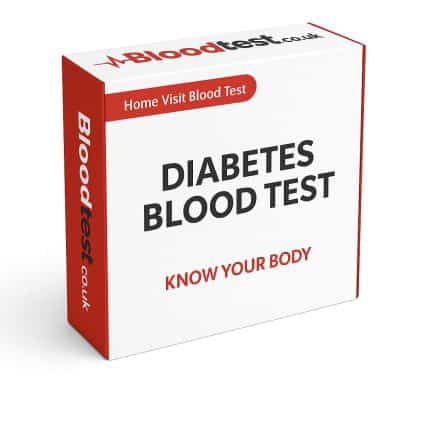

In Nottingham, the integration of testing services within the healthcare system enhances patient experiences significantly. Individuals can easily schedule appointments and access results, which is vital for effective diabetes management. Qualified healthcare professionals guide patients through the testing process, underscoring the importance of regular monitoring.
The availability of NHS testing facilities is bolstered by community outreach programmes designed to educate residents about diabetes. These initiatives raise awareness about the condition and encourage proactive health measures. By leveraging local resources, Nottingham residents are empowered to manage their diabetes and pursue healthier lifestyles.
Why Are Community Health Centres Integral to Diabetes Management?
Community health centres in Nottingham are crucial for providing accessible options for individuals seeking diabetes checks. Their strategic locations facilitate easy access to testing services, eliminating the need for lengthy travel. These centres foster a welcoming environment where individuals can comfortably discuss health concerns.
These centres are well-equipped to conduct tests efficiently, ensuring prompt results delivery. Quick turnaround times are particularly beneficial for patients who may feel anxious about their health status. With results readily available, healthcare professionals can collaborate with patients to develop personalised care plans that cater to specific needs while adhering to UK healthcare standards.
Community health centres often provide educational resources and support groups for those diagnosed with diabetes. This holistic approach focuses on testing and empowers patients with knowledge and shared experiences. By nurturing a supportive community, these centres significantly enhance the overall health and wellbeing of Nottingham’s residents.
What Factors Affect the Accuracy of Diabetes Blood Testing?
Several factors can influence the accuracy of blood tests for diabetes, making adequate preparation essential for patients. Proper preparation typically involves following specific guidelines from local practitioners, such as fasting before certain tests. Adhering to these instructions can greatly enhance the reliability of test results, which are critical for accurate diagnosis and management.
Timing is also crucial for testing accuracy. Blood sugar levels can fluctuate throughout the day due to diet and physical activity. Understanding the optimal timing for tests is important. Patients should consult with healthcare providers about the best testing times to ensure the most precise readings.
The quality of testing equipment and the expertise of healthcare professionals administering the tests significantly impact accuracy. In Nottingham, local facilities are equipped with advanced technology and staffed by trained personnel, minimising the possibility of errors. Patients are encouraged to engage with their healthcare providers to address all factors affecting testing accuracy.
How to Prepare for Your Blood Test Appointment Effectively
What Fasting Requirements and Guidelines Should You Follow?
Preparing for a blood test for diabetes often involves adhering to specific fasting protocols. Generally, patients should refrain from eating or drinking for at least eight hours before the test. This fasting period is crucial for obtaining accurate glucose level measurements, essential for precise diagnosis.
It is important to note that fasting guidelines may vary based on the type of blood test being performed. For example, the HbA1c test does not require fasting, while a fasting plasma glucose test does. Clarifying these details with a healthcare provider is essential for proper preparation.
Complying with fasting requirements can significantly reduce the risk of inaccurate results, ultimately supporting effective diabetes management. Patients should plan their appointments accordingly and follow the necessary fasting durations to ensure reliable readings during their visits.
What Documents and Identification Should You Bring for Your Appointment?
When attending a blood test appointment, patients must present pertinent documents and identification. Having medical records readily available can expedite the process, allowing healthcare staff to review a patient’s history efficiently before administering the test. This is particularly important for individuals with pre-existing health conditions or those visiting the practice for the first time.
In Nottingham, healthcare facilities may request proof of identity, such as a driving licence or NHS card, to ensure that the correct patient is receiving the test. This critical step helps maintain patient safety and accuracy in medical records. Arriving prepared with the necessary documentation facilitates a smoother experience during the appointment.
Bringing a list of current medications or any recent changes in health status can also be beneficial. This information enables healthcare professionals to consider all relevant factors when interpreting test results. Overall, proper preparation not only enhances the testing experience but also supports better health outcomes for patients.
What Are the Benefits of Thorough Preparation for Blood Tests?
- Reduces the likelihood of inaccurate test results.
- Streamlines the appointment process, saving valuable time.
- Enhances communication between patients and healthcare providers.
- Supports the creation of personalised care plans.
Thorough preparation for a blood test significantly enhances the overall experience. By following the necessary steps, patients can contribute to more accurate outcomes and ultimately improve their health management strategies.
What Are the Primary Types of Blood Tests for Diabetes?
What Is the HbA1c Test and Why Is It Important?
The HbA1c test is vital for diabetes management, measuring average blood sugar levels over a two to three-month period. This assessment provides healthcare professionals in Nottingham with a comprehensive understanding of a patient’s glucose control, essential for making informed treatment decisions. By evaluating long-term blood sugar levels, doctors can better assess how effectively a patient’s diabetes is managed.
This test is particularly important for monitoring the success of diabetes treatment plans. If a patient’s HbA1c level exceeds the recommended range, healthcare providers can adjust medications or suggest lifestyle changes to help lower those levels. Routine HbA1c testing is crucial for individuals with diabetes, as it aids in identifying potential complications before they escalate.
In Nottingham, the availability of the HbA1c test at local healthcare facilities ensures that patients receive timely and accurate monitoring of their condition. This proactive approach to diabetes management encourages improved health outcomes and supports individuals in leading healthier lives.
What You Should Know About Fasting Plasma Glucose Testing
The fasting plasma glucose test is another essential evaluation used to diagnose diabetes. Conducted after an overnight fast, this test measures blood glucose concentration, offering immediate insights into a patient’s current levels. Healthcare professionals in Nottingham rely on this test for precise diagnosis and ongoing diabetes monitoring.
This assessment is particularly useful for identifying individuals at risk of developing diabetes. If a patient’s fasting plasma glucose level falls within the prediabetes range, healthcare providers can recommend lifestyle changes to prevent the onset of type 2 diabetes. Early intervention is crucial in managing diabetes, and the fasting plasma glucose test plays a significant role in this process.
Patients in Nottingham should understand that the fasting plasma glucose test is typically straightforward and quick. By recognising its importance and the necessary preparation, individuals can approach their appointments with confidence, knowing that this test is a vital tool in diabetes management.
What Is the Significance of Random Blood Sugar Testing?
The random blood sugar test is a rapid and effective method for assessing glucose levels without prior fasting. This test is especially useful in urgent situations, such as when a patient exhibits symptoms of high blood sugar. Local clinics in Nottingham offer this testing option for individuals who may need immediate insights into their glucose levels.
This evaluation provides healthcare professionals with valuable data that can inform prompt treatment decisions. If a patient’s random blood sugar level is significantly high, immediate interventions can be initiated to prevent complications. This test benefits both diagnosed diabetes patients and those experiencing symptoms for the first time.
Patients can access random blood sugar evaluations at various healthcare facilities across Nottingham, including GP surgeries and community health centres. The convenience of this testing alternative ensures timely assessments, which are critical for effective diabetes management.
How Does the Oral Glucose Tolerance Test Work?
The oral glucose tolerance test (OGTT) is a comprehensive evaluation that assesses how effectively the body processes sugar. This test involves consuming a glucose solution, followed by blood sampling at intervals to measure the body’s response. Healthcare professionals in Nottingham utilise the OGTT to diagnose diabetes and prediabetes, making it an indispensable tool in diabetes management.
The OGTT is particularly effective for identifying individuals who may not show elevated fasting glucose levels but still experience impaired glucose tolerance. By providing a more detailed insight into how the body handles sugar, this test assists healthcare providers in developing customised treatment plans for patients. Detecting glucose intolerance early is crucial for preventing the progression to type 2 diabetes.
Patients undergoing an OGTT should be prepared for a longer appointment, as the test requires several blood draws over a few hours. The insights gained from this evaluation can be invaluable for effective diabetes management. The availability of the OGTT within local healthcare services in Nottingham ensures that patients have access to thorough diabetes assessments.
Expert Insights on Blood Testing for Diabetes in Nottingham
How to Choose the Most Suitable Tests for Your Needs
When determining the most appropriate blood test for diabetes, healthcare professionals in Nottingham assess individual patient requirements based on symptoms and risk factors. This tailored approach guarantees the selection of the most relevant testing method, maximising the effectiveness of the evaluation. By considering factors such as age, family history, and lifestyle, experts can provide personalised recommendations.
For instance, a patient presenting symptoms of diabetes may be advised to undergo an HbA1c test for long-term monitoring. Conversely, another individual without symptoms but with a family history of diabetes might be directed to a fasting plasma glucose test. This thoughtful approach helps identify the most pertinent testing option, ensuring accurate diagnosis and effective management strategies.
Healthcare providers in Nottingham often stress the importance of ongoing monitoring. Regular testing allows for adjustments to treatment plans based on the patient’s evolving needs. This proactive stance on diabetes management is vital for preventing complications and ensuring optimal health outcomes.
Real-Life Case Studies from Nottingham
Experts in Nottingham frequently share anonymised case studies to illustrate the significance of standard testing protocols. For example, one case involved a middle-aged man who initially presented with fatigue and excessive thirst. An HbA1c test revealed elevated blood sugar levels, prompting early intervention and lifestyle modifications.
In another instance, a young woman with a family history of diabetes was encouraged to undergo regular fasting plasma glucose assessments. This proactive strategy enabled her healthcare team to identify a trend of elevated glucose levels, leading to timely adjustments in her diet and exercise routine. These real-world examples highlight the effectiveness of early testing in preventing the progression of diabetes.
Such cases underscore the value of local testing services in Nottingham, where healthcare professionals are committed to enhancing patient outcomes through timely and accurate assessments. By sharing these experiences, experts aim to motivate others to prioritise their health and engage in regular testing as part of their diabetes management plan.
Practical Strategies for Patients Managing Diabetes
Patients navigating diabetes management can implement several proactive steps to ensure they receive optimal care. First, individuals should schedule regular follow-up appointments with their healthcare providers to monitor their condition effectively. Consistent testing allows for timely adjustments to treatment plans based on test results.
To make appointments, patients are encouraged to take an active role in their health management. This includes monitoring blood sugar levels at home, adhering to prescribed medications, and making necessary lifestyle changes, such as adopting a healthier diet and increasing physical activity. By taking ownership of their health, individuals can enhance their overall wellbeing.
Patients in Nottingham should not hesitate to seek support from local diabetes education programmes and community resources. These initiatives provide valuable information and peer connections that can enrich diabetes management. By utilising available resources, individuals can empower themselves to make informed decisions about their health.
What Is the Impact of Technological Innovations on Blood Testing?
Recent technological advancements in blood testing are transforming diabetes diagnosis and management in Nottingham. New technologies deliver quicker and more accurate results, enabling healthcare professionals to make prompt, informed decisions. These innovations benefit local patients by enhancing healthcare outcomes and improving the overall efficiency of clinical practices.
For instance, continuous glucose monitoring systems are increasingly popular among patients with diabetes. These devices provide real-time data on blood sugar levels, allowing individuals to make immediate adjustments to their diets and activities. Such technology empowers patients to take control of their condition and respond proactively to fluctuations in their glucose levels.
Improvements in laboratory testing methods have resulted in more precise blood sample assessments. This increased accuracy reduces the likelihood of misdiagnosis and ensures patients receive appropriate treatments. In Nottingham, healthcare professionals continuously explore new technologies to enhance diabetes management, benefiting the local population through improved care and support.
How Can Test Results Shape Your Health Management Strategy?
How to Interpret Numerical Values from Blood Tests
Understanding the numerical values derived from diabetes blood tests is crucial for effective health management. For instance, HbA1c results are expressed as a percentage, representing average blood sugar levels over recent months. Patients in Nottingham should be aware of the target ranges for these values, as they directly influence treatment decisions and lifestyle adjustments.
Collaborating closely with healthcare providers is essential when interpreting results. Doctors can clarify the significance of specific readings and assist patients in determining appropriate actions based on their results. This partnership ensures individuals are well-informed and can make educated choices regarding their health.
Recognising patterns in test results can provide valuable insights into daily habits. For example, consistently elevated blood sugar levels may indicate the need for dietary adjustments or medication modifications. By understanding their results, patients can take proactive measures to manage their diabetes effectively, thereby improving their overall health.
How to Relate Test Results to Your Daily Habits
The results of diabetes blood tests often highlight areas that require improvement in daily habits. For instance, high glucose levels may suggest the need for dietary changes, such as reducing sugar intake or increasing fibre consumption. In Nottingham, healthcare providers encourage patients to connect their test results with specific lifestyle modifications that can enhance their overall health.
Regular physical activity is another critical factor influencing blood sugar control. Patients may discover that incorporating exercise into their routines helps lower their glucose levels. Establishing a consistent fitness regimen can enhance insulin sensitivity and improve blood sugar management.
Maintaining a healthy weight is vital for effective diabetes management. Test results can motivate patients to adopt healthier eating habits and engage in regular exercise. By correlating their outcomes with daily behaviours, individuals can take proactive steps toward better health and improved diabetes management.
When Should You Seek Further Medical Guidance?
Certain thresholds in blood test results may warrant additional medical advice. For example, if a patient’s HbA1c level exceeds the recommended range, it might indicate the need for a referral to a specialist. Healthcare providers in Nottingham remain vigilant in recognising when further support is required to ensure optimal patient care.
Patients should also be mindful of symptoms that may necessitate immediate medical attention. If they experience significant fluctuations in blood sugar levels or develop diabetes-related complications, seeking further advice is crucial. Early intervention can prevent the onset of more severe health issues.
Regular follow-up appointments are essential for monitoring changes in health status. Patients should feel comfortable discussing any concerns or changes with their healthcare providers. Open communication fosters a collaborative approach to health management, ensuring individuals receive the support they require.
Research-Backed Benefits of Blood Testing for Diabetes in Nottingham
What Are the Advantages of Early Detection?
Research consistently demonstrates that early detection of diabetes through blood tests leads to improved long-term health outcomes. Timely testing allows healthcare professionals in Nottingham to intervene before complications arise, enabling individuals to manage their condition effectively. Early diagnosis is vital in preventing diabetes progression and associated health issues.
Studies indicate that individuals who undergo regular blood testing are more likely to engage in proactive health management. This includes adhering to treatment plans, making lifestyle changes, and attending follow-up appointments. By identifying diabetes early, patients can take control of their health and reduce the risk of complications.
Early identification through local testing services contributes positively to public health. By promoting awareness and encouraging regular screenings, healthcare providers in Nottingham can help mitigate the prevalence of diabetes-related complications within the community. This proactive approach benefits not only individuals but the healthcare system as a whole.
What Are the Key Benefits of Regular Monitoring?
- Promotes sustained wellness and effective health management.
- Reduces the risk of diabetes-related complications.
- Encourages adherence to treatment plans and lifestyle modifications.
- Facilitates timely adjustments to medications and care strategies.
Consistent monitoring of diabetes through blood testing offers numerous advantages. Regular assessments empower patients to remain informed about their health status and make necessary adjustments to their management strategies.
How Is Cost-Effectiveness Achieved Through Accessible Healthcare?
Research highlights the cost-effective nature of accessible blood testing for diabetes in Nottingham. By enabling early diagnosis and intervention, local testing services contribute to overall savings for the national health system. Preventing complications through regular monitoring reduces the need for costly hospitalisations and treatments.
Accessible testing encourages individuals to adopt a proactive stance toward their health. By participating in regular screenings, patients are more likely to manage their diabetes effectively, thereby minimising the long-term financial burden on healthcare resources. This approach aligns with the NHS’s broader goals of promoting preventive care and enhancing health outcomes for the population.
In Nottingham, the emphasis on accessible blood testing reflects a commitment to ensuring that all residents can effectively manage their health. By investing in local testing services, the community benefits from improved health and reduced healthcare costs over time.
Key Follow-Up Actions After Your Testing
How to Create Personalised Care Plans
After undergoing blood testing for diabetes, patients in Nottingham must collaborate with healthcare providers to create personalised care plans. These plans should encompass medication, monitoring, and lifestyle changes tailored to the individual’s specific test results. A customised approach ensures that patients receive the most effective care based on their unique needs.
Healthcare professionals typically consider various factors when formulating care plans, including the patient’s age, medical history, and lifestyle. By adopting a holistic view, doctors can recommend strategies that are realistic and achievable for each patient. This tailored approach is essential for fostering adherence to treatment and improving overall health outcomes.
Regular follow-up appointments are critical for evaluating the effectiveness of personalised care plans. Patients should feel empowered to communicate openly with their healthcare providers about any challenges they encounter. This ongoing dialogue nurtures a collaborative relationship that enhances diabetes management and supports long-term health.
What Are the Benefits of Implementing Lifestyle Adjustments?
- Improves overall quality of life.
- Prevents the progression of diabetes and related complications.
- Supports better blood sugar control and general health.
- Encourages a proactive approach to health management.
Making lifestyle adjustments following blood testing can yield significant benefits for individuals with diabetes. These changes not only enhance health outcomes but also empower patients to take control of their condition.
Why Is Scheduling Regular Follow-Up Assessments Important?
Regular retesting is essential for maintaining accuracy in diabetes management. Patients in Nottingham should work with their healthcare providers to establish a schedule for repeat assessments based on their individual needs. This proactive approach allows for timely adjustments to treatment plans as necessary.
Retesting enables healthcare professionals to monitor fluctuations in blood sugar levels and evaluate the effectiveness of lifestyle modifications. If results indicate the need for intervention, timely adjustments can be made to prevent complications. By prioritising regular assessments, patients can stay informed about their health and make educated decisions regarding their diabetes management.
Establishing a routine for repeat assessments fosters a sense of accountability among patients. By actively participating in their health management, individuals are more likely to adhere to treatment plans and embrace healthy lifestyle choices. This collaborative approach enhances the overall effectiveness of diabetes management in Nottingham.
Resources for Ongoing Support in Nottingham
Where to Find Local Support Groups and Educational Resources
In Nottingham, local support groups and educational resources are pivotal in assisting individuals with diabetes management. These groups foster valuable peer connections, allowing individuals to share experiences and learn from each other. By nurturing a sense of community, support groups empower patients to take charge of their health.
Healthcare providers and local organisations frequently arrange educational sessions to provide essential information on diabetes management. Topics may range from nutrition and exercise to coping strategies for living with diabetes. Participation in these sessions enables individuals to acquire knowledge and skills that enhance their ability to manage their condition effectively.
Support groups often invite guest speakers, including healthcare professionals, to share insights and address questions. This access to expert advice can significantly enhance individuals’ understanding of diabetes management, equipping them with the tools necessary to thrive. Overall, local support groups and educational initiatives substantially contribute to the wellbeing of Nottingham residents living with diabetes.
How to Utilise Digital Tools for Self-Monitoring
Digital tools are becoming increasingly vital for self-monitoring diabetes in Nottingham. A diverse range of apps and online platforms allow patients to conveniently track their blood sugar levels, medications, and dietary habits. These tools empower individuals to take an active role in managing their health.
Many of these digital platforms offer features such as medication and appointment reminders, along with educational resources tailored to diabetes management. By leveraging these tools, patients can remain organised and informed about their health status. This proactive approach supports better adherence to treatment plans and encourages healthy lifestyle choices.
Some digital tools facilitate seamless communication with healthcare providers. Patients can share their tracking data with their doctors, fostering informed discussions during appointments. This enhanced communication nurtures a collaborative approach to diabetes management, ensuring that individuals receive the support they need to achieve their health goals.
How to Access Specialist Referrals When Needed
When necessary, pathways exist for securing specialist referrals for individuals with diabetes in Nottingham. If a patient’s condition requires advanced care, healthcare providers can facilitate referrals to endocrinologists or diabetes specialists. This access to specialised expertise ensures that patients receive comprehensive attention tailored to their unique needs.
Specialist referrals may be necessary for patients experiencing complications or those needing intensive management strategies. Healthcare professionals in Nottingham are dedicated to ensuring that individuals receive timely referrals, minimising delays in accessing essential care. This proactive approach is vital for preventing further health issues and optimising diabetes management.
Patients should feel empowered to discuss their concerns with their healthcare providers. Open communication is crucial for identifying when a referral may be necessary. By fostering a collaborative relationship, individuals can ensure they receive the most appropriate care for their diabetes management.
Why Participate in Community Workshops and Events?
Throughout Nottingham, community workshops and events are regularly organised to provide essential education and support for individuals managing diabetes. These gatherings offer opportunities for participants to learn about the latest management techniques, share experiences, and connect with others facing similar challenges. By fostering a sense of community, these events empower individuals to take control of their health.
Workshops may cover a range of subjects, including nutrition, exercise, and stress management. Guest speakers, such as healthcare professionals, often provide valuable insights and address questions from attendees. This access to expert knowledge enhances participants’ understanding of diabetes management and encourages proactive approaches to their health.
Community events create a supportive atmosphere where participants can establish lasting connections. These relationships can provide ongoing motivation and encouragement for individuals navigating the challenges of diabetes. By participating in community workshops and events, Nottingham residents can enhance their knowledge and skills in effectively managing their condition.
What Support Options Are Available for Families and Carers?
In Nottingham, specialised programmes for families and carers of individuals with diabetes are essential for fostering a supportive environment. These programmes equip supporters with the knowledge and practical skills needed to aid effective diabetes management. By enhancing understanding, families and carers can play a crucial role in supporting their loved ones.
Educational sessions tailored for families often cover topics such as recognising symptoms, managing medications, and promoting healthy lifestyle choices. By providing this information, families can become proactive partners in diabetes management, ensuring that individuals receive the support they need.
Support networks for families and carers can also offer valuable peer connections. These groups provide a platform for supporters to share experiences, challenges, and effective care strategies. By fostering a sense of community, these networks empower families and carers to navigate the complexities of diabetes management together, enhancing overall wellbeing for everyone involved.
Frequently Asked Questions
What does a blood test for diabetes involve?
A blood test for diabetes measures blood glucose levels to diagnose and monitor the condition. Common tests include HbA1c, fasting plasma glucose, and random blood sugar tests.
How often should diabetes testing be conducted?
The frequency of testing depends on individual risk factors and existing health conditions. Generally, individuals at risk should be tested annually, while those diagnosed may require more frequent assessments.
Are there risks associated with blood testing?
Blood tests are generally safe, with minimal risks. Some individuals may experience slight discomfort or bruising at the injection site, but serious complications are rare.
Can I eat before undergoing a blood test?
It depends on the type of test. For fasting plasma glucose tests, patients must abstain from food for at least eight hours. Other tests, such as HbA1c, do not require fasting.
How long does it typically take to process blood test results?
Results for standard blood tests usually take a few days, while rapid tests may provide results within hours. Patients should consult their healthcare provider for specific timelines.
What should I do if my blood test results are abnormal?
If results are abnormal, consult your healthcare provider for guidance. They may recommend lifestyle changes, additional testing, or modifications to your treatment plan.
Can I perform a blood test for diabetes at home?
While home testing kits are available for monitoring blood sugar, a formal diagnosis should be conducted by a healthcare professional to ensure accuracy and reliability.
What lifestyle changes can help in managing diabetes?
Recommended lifestyle changes include maintaining a balanced diet, engaging in regular physical activity, managing stress, and adhering to prescribed medications. These changes can significantly improve blood sugar control.
Are there diabetes support groups available in Nottingham?
Yes, Nottingham has various support groups and community resources for individuals with diabetes. These groups offer education, peer support, and opportunities for sharing experiences.
How can technology assist in diabetes management?
Technology, such as apps and continuous glucose monitors, can aid in tracking blood sugar levels, managing medications, and providing real-time data to enhance diabetes management.
Visit our Facebook profile today!
This Article Was First Found On https://bloodtest.co.uk
The Article Diabetes Blood Test in Nottingham: Essential Information Guide found first on https://electroquench.com