Exploring the Importance of Protein Powders in Teen Growth and Development
Why Are Protein Powders Vital for Teenagers’ Growth and Overall Well-Being?

Protein powders play an essential role in the diets of teenagers, supplying critical amino acids that are instrumental in facilitating muscle growth, boosting overall physical performance, and aiding recovery after rigorous workouts. Adequate protein intake during adolescence is fundamental for promoting healthy growth and development. The key nutritional benefits that protein powders provide include:
- Amino acids essential for effective muscle repair and recovery
- Vitamins that assist in metabolic processes and energy production
- Minerals vital for maintaining strong bones and teeth
- Energy-rich carbohydrates that fuel workouts and enhance endurance
- Healthy fats that support hormone production and overall health
As teenagers undergo rapid physical transformations, their protein needs increase significantly. Incorporating protein powders into their dietary regimen can help them meet these heightened nutritional demands, fostering optimal growth and development. Moreover, these supplements serve as a valuable addition to a balanced diet, empowering young athletes to reach their full potential in sports and other physical activities.
What Are the Key Ingredients Found in Protein Supplements?
Protein powders generally contain crucial ingredients such as whey, casein, and plant-based proteins. These high-quality nutrients are pivotal for maintaining energy levels and promoting optimal health as teenagers actively participate in sports and various physical activities. Additionally, branched-chain amino acids (BCAAs) are frequently included to support muscle recovery and growth. Choosing between whey and plant-based proteins allows for personalised options that cater to dietary preferences and unique nutritional requirements.
Furthermore, many protein powders incorporate digestive enzymes and probiotics, which enhance nutrient absorption and assist teenagers in efficiently utilising these essential nutrients. By selecting the appropriate protein blend, young athletes can elevate their energy levels, improve their overall health, and establish a robust foundation for their sporting pursuits.
How Do Protein Powders Enhance Athletic Performance and Development?
Protein powders offer a multitude of benefits for young athletes, significantly improving their strength and endurance. These supplements provide the necessary proteins that facilitate quicker recovery and enhance performance across various sports disciplines. When combined with a well-rounded diet and consistent training, they can stimulate muscle growth, enhance athletic performance, and diminish fatigue.
The versatility of protein powders allows them to be easily integrated into diverse training regimens, whether consumed as shakes, bars, or incorporated into meals. By ensuring that teenagers receive the appropriate protein intake, they become better equipped to push their limits, recover more effectively, and ultimately achieve their athletic aspirations.
Analysing the Various Types of Protein Powders Available
What Are the Different Types of Protein Based on Their Sources?
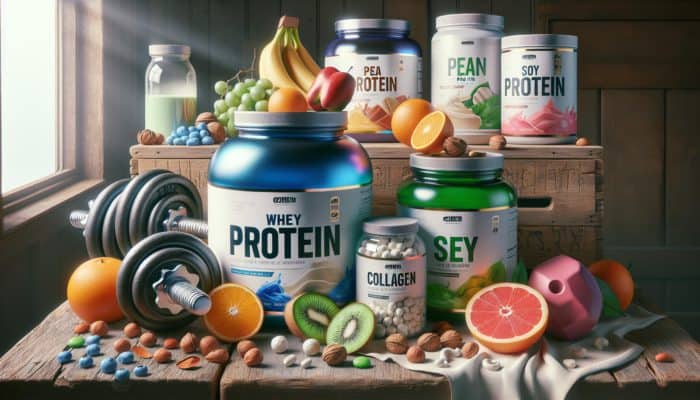
Protein powders are available in various forms, primarily divided into animal-derived and plant-based categories. Animal-derived options such as whey and casein are renowned for their high biological value, delivering complete amino acid profiles that are particularly effective for muscle recovery and growth.
Conversely, plant-based protein powders—derived from sources such as peas, rice, and hemp—cater to diverse dietary preferences, providing essential nutrients while being suitable for vegans and individuals with lactose intolerance. Each type offers unique benefits, assisting teenagers in selecting the option that best aligns with their tastes and enhances their athletic performance.
How Can You Identify the Best Protein Powder for Your Requirements?
When selecting a protein powder, several crucial factors should inform your decision, including taste, digestibility, and the product’s overall nutritional profile. Teenagers should reflect on their personal preferences and dietary restrictions, as these elements significantly influence their likelihood of integrating the supplement into their daily routine.
Thoroughly examining the ingredients is imperative; opting for products with minimal additives and artificial sweeteners results in healthier choices. Moreover, consulting a nutritionist or coach can provide tailored recommendations, ensuring the chosen protein powder aligns with the teen’s training objectives and lifestyle requirements. This thoughtful selection process enhances sustained energy levels and overall well-being.
What Quality Factors Should You Consider When Choosing Protein Powders?
Quality is a critical aspect to consider when selecting protein powders for teenage athletes. Look for products that prioritise purity, containing minimal additives and specifically formulated to enhance performance. A reputable protein powder should undergo rigorous testing to ensure it meets stringent safety and quality standards.
Moreover, seeking third-party certifications can provide additional assurance of quality. It is imperative that the protein powder promotes long-term health by utilising reliable ingredients that foster trust and encourage optimal athletic development in young athletes.
What Common Additives Are Typically Found in Protein Powders?
Protein powders frequently contain various additives such as vitamins, minerals, and flavourings to enhance their nutritional profiles. While these components can improve the product’s effectiveness, some may introduce allergens or unnecessary elements that could adversely affect certain individuals.
Teenagers should meticulously review labels and ingredient lists to select options that align with their health objectives and dietary preferences. Common additives may include vitamins A, C, and D, in addition to essential minerals like calcium and magnesium, which offer additional support for growing bodies while ensuring balanced nutrient intake.
Professional Perspectives on the Importance of Protein Powders for Young Athletes
What Practical Examples Illustrate Effective Protein Powder Utilisation?
Experts advocate for the incorporation of protein powders into daily routines to maximise benefits. For instance, consuming protein after workouts can dramatically enhance recovery and muscle repair, as the body is primed to absorb nutrients post-exercise. The timing and dosage of protein intake are paramount for optimising gains; for example, consuming protein within 30 minutes after training can yield greater benefits.
Real-life examples of young athletes successfully integrating protein powders into their diets include mixing them into smoothies, blending with yogurt, or even incorporating them into baked energy bars. This versatility not only assists teens in meeting their protein requirements but also helps them cultivate healthy habits that can last a lifetime.
What Practical Guidelines Ensure Safe Protein Powder Consumption?
To guarantee the safe use of protein powders, specialists recommend starting with small doses and closely monitoring individual responses. This gradual approach helps prevent potential side effects while allowing teenagers to accurately gauge their needs. Understanding their bodies and adjusting intake according to activity levels and overall nutritional requirements is crucial for young athletes.
Strategies that enhance teen performance through expert-guided practices include maintaining proper hydration, balancing protein intake with carbohydrates and fats, and aligning protein consumption with training schedules. By following these actionable steps, teens can harness the benefits of protein powders while prioritising their health and well-being.
What Expert Analysis Reveals About Nutritional Value and Protein Powders?
Expert evaluations indicate that protein powders provide essential nutrients that support the growth and development of young athletes. These supplements play a critical role in supplying the protein necessary for muscle repair, energy generation, and overall wellness.
Nutritionists frequently emphasise that protein needs should be met through both whole foods and supplements, particularly for active teens. By highlighting the importance of protein powders, experts can help teens optimise their nutrition for improved athletic performance and long-term health, ultimately nurturing a positive relationship with food and fitness.
What Recommendations Do Experts Provide Regarding Protein Powder Types for Teens?
Experts advise teenagers to select whey, casein, or plant-based protein powders depending on their dietary needs and personal preferences. Whey protein, renowned for its rapid absorption, is often recommended for immediate post-workout recovery, while casein offers a slower release of amino acids, making it ideal for overnight recovery.
For those following a plant-based diet, options like pea or hemp protein effectively support muscle repair and energy levels. Encouraging these selections allows teen athletes to customise their protein intake based on their preferences, nutritional needs, and performance goals, thereby enriching their overall training experience.
How to Address Common Myths and Misconceptions Surrounding Protein Powders?
Specialists frequently encounter myths regarding protein powders, such as the belief that they are solely for bodybuilders or elite athletes. In reality, protein powders can be safely utilised by teen athletes when incorporated as part of a balanced diet and regular exercise routine.
By dispelling these misconceptions, experts promote informed choices among young athletes and underscore the benefits of adequate protein intake for individuals at all levels of physical activity. Understanding the role of protein powders empowers teens to make healthier nutritional decisions that align with their athletic ambitions.
In What Ways Do Protein Powders Enhance Athletic Performance?
What Are the Biological Mechanisms Through Which Protein Powders Function in the Body?
Protein powders enhance athletic performance by promoting muscle recovery and increasing metabolism. These supplements operate at a fundamental biological level, ensuring the body is adequately supplied with the resources needed to recuperate from strenuous activity. By delivering a concentrated source of amino acids, protein powders expedite recovery, enabling athletes to return to peak performance more swiftly.
Furthermore, protein powders stimulate muscle protein synthesis, a vital process that supports muscle growth and repair. By incorporating these supplements, young athletes can better manage their physical demands, ensuring they perform optimally during training and competitions. This biological efficiency is essential for maintaining an active lifestyle and achieving athletic aspirations.
How Do Protein Powders Influence Muscle Growth and Strength Development?
Protein powders directly stimulate muscle protein synthesis, resulting in increased muscle mass and strength for teenagers. This process is critical for young athletes during a pivotal growth phase, as it helps them develop the power and resilience necessary to excel in their respective sports.
In addition, sufficient protein intake supports overall physical fitness, aiding in the development of lean muscle while minimising body fat. As teenagers engage in regular training, their bodies demand adequate protein to facilitate recovery and adapt to heightened physical challenges. By prioritising protein consumption, young athletes can observe significant improvements in their performance over time, yielding long-lasting benefits.
What Is the Impact on Endurance and Stamina?
Protein powders play a crucial role in enhancing endurance levels by providing sustained energy during prolonged activities. When consumed appropriately, these supplements can help maintain stamina, allowing teenagers to engage in extended training sessions and achieve improved athletic outcomes across various sports.
Incorporating protein powders into a balanced diet aids young athletes in meeting their energy demands while reducing feelings of fatigue. This holistic approach to nutrition fosters optimised performance, empowering teen athletes to maximise their capabilities and reach new heights in their sporting pursuits.
Research-Based Advantages of Protein Powders for Teenage Athletes
What Do Key Studies Indicate About the Effectiveness of Protein Powders?
Research demonstrates that regular consumption of protein powders can shorten recovery times and enhance strength among teen athletes. Studies reveal that those who integrate protein supplements into their routines experience improved muscle repair, leading to more effective training sessions and elevated performance metrics over time.
Experts recognise these advantages across a broad spectrum of sports and activities, highlighting protein’s positive impact on adolescent growth and athletic ability. By acknowledging this evidence, parents and coaches can make informed choices about incorporating protein powders into the nutritional strategies of young athletes.
What Are the Long-Term Benefits Associated with Protein Powder Use?
Research highlights several long-term benefits linked to the use of protein powders among teenagers, which may include:
- Improved bone health supporting structural integrity
- Enhanced metabolic function for better energy utilisation
- Consistent energy levels during physical exertion
- Reduced fatigue and muscle soreness
- Increased muscle mass and strength
By recognising these outcomes, young athletes can appreciate the significance of protein powders in aiding their athletic journeys while fostering lifelong healthy habits. Awareness of the long-term implications of protein intake empowers teens to make informed decisions regarding their nutrition.
How to Effectively Integrate Protein Powders with Training Regimens?
Experts recommend strategically incorporating protein powders into training routines for optimal results. This includes consuming protein shortly after workouts to facilitate muscle recovery and growth, as well as adding it to regular meals to fulfil daily protein requirements.
Aligning protein powder consumption with training schedules helps teens support their athletic objectives while ensuring they receive the necessary nutrients for recovery and performance. This thoughtful approach to nutrition underscores the importance of balanced diets and proper supplementation in achieving athletic success.
What Are the Potential Risks Associated with Protein Powder Use in Teens?
While protein powders offer numerous benefits, it is essential to consider potential risks linked to their use among adolescents. Research suggests that excessive intake may lead to digestive issues or discomfort, especially if not balanced with whole foods. Furthermore, consuming too much protein can result in nutrient imbalances, potentially affecting overall health.
Experts recommend monitoring protein intake and consulting with a healthcare professional when introducing protein powders into a teen’s diet. This proactive approach ensures that young athletes use these supplements safely and effectively while maintaining a balanced diet.
What Side Effects Might Occur from Protein Powder Use?
What Common Issues Can Arise from Excessive Consumption?
Excessive intake of protein powders can lead to common health concerns, particularly digestive discomfort and allergic reactions. Teens should practise moderation to avoid adverse effects while ensuring that their nutritional needs are adequately met. Monitoring responses to protein supplementation is crucial for maintaining overall health.
In everyday scenarios, young athletes must recognise that achieving balance is essential. Relying too heavily on protein supplements instead of whole foods can result in nutrient imbalances and other health complications, highlighting the importance of a varied diet.
How Can Health Risks Be Minimized?
To reduce health risks associated with protein powder consumption, teenagers should maintain proper hydration and adhere to a balanced diet. Staying hydrated supports digestion and nutrient absorption, while consuming a diverse array of foods ensures the intake of all vital nutrients.
Incorporating whole-food protein sources alongside supplements helps create a balanced nutritional profile, reducing the risk of adverse effects and promoting overall health among young athletes.
What Symptoms Should Users Be Mindful Of?
Teens should be vigilant for symptoms such as fatigue, nausea, or digestive discomfort when using protein powders. Early identification of these signs allows for timely adjustments in usage, ensuring the athlete maintains their health while striving towards their fitness goals.
Understanding individual responses to protein supplementation is vital for optimising health outcomes and ensuring a positive experience with these products.
Why Are Protein Powders a Beneficial Option for Young Athletes?
What Factors Influence Teen Decisions Regarding Protein Powder Use?
The convenience and rapid absorption of protein powders make them an attractive option for busy teen athletes. With demanding schedules, these supplements provide an efficient means to meet nutritional needs and support training routines. Their ease of preparation and consumption allows young athletes to fuel their bodies effectively without extensive meal prep.
This accessibility ensures that teens can maintain their energy and performance, even amidst busy schedules, which is essential for supporting their athletic pursuits and nurturing healthy habits.
How Do Protein Powders Compare to Whole Food Alternatives?
While whole foods provide similar nutrients, protein powders offer concentrated doses, making them a convenient choice for young athletes. In various training scenarios, the ability to quickly consume protein can be crucial for recovery and performance.
However, it is vital to view protein powders as supplements to a well-rounded diet rather than substitutes for whole foods. By combining both, teenagers can optimise their nutritional intake and effectively support their athletic objectives.
What Role Do Protein Powders Play in Comprehensive Nutritional Plans?
Protein powders serve as valuable tools for enhancing the overall nutritional plans of young athletes. By filling protein gaps, they assist in ensuring that teenagers achieve balanced intake while boosting their athletic performance and development.
This synergistic relationship between protein powders and whole foods promotes optimal health, empowering teen athletes to thrive and reach their full potential in physical activities. Thoughtfully incorporating these supplements can help young athletes make informed dietary decisions that align with their long-term goals.
What Are the Potential Benefits for Muscle Recovery?
Protein powders provide young athletes with a rapid delivery of amino acids, which are essential for repairing muscles after intense training sessions. This quick absorption helps alleviate soreness and encourages faster recovery, allowing teenagers to maintain consistent training and achieve superior overall athletic performance.
The ability to recover swiftly is crucial for young athletes, as it enables them to train more frequently and effectively, promoting continuous enhancement in their athletic capabilities. By prioritising protein intake for recovery, teenagers can significantly boost their performance and overall development.
Essential Guidelines for Effective Protein Powder Usage
How to Establish the Appropriate Dosage of Protein Powder?
Determining the correct protein powder dosage for teens requires careful assessment based on body weight and activity level. This approach helps prevent excessive intake while ensuring that young athletes fully capitalise on the benefits of supplementation.
As a general guideline, teenagers should aim for 1.2 to 2.0 grams of protein per kilogram of body weight, depending on their training intensity and individual objectives. Balancing protein intake with other macronutrients is critical for supporting overall health and performance.
What Creative Recipes Can Help Incorporate Protein Powder into Meals?
Integrating protein powders into daily meals can be both simple and enjoyable. Blending protein with fruits, yogurt, or oatmeal creates nutritious smoothies and bowls filled with flavour and health benefits. Simple recipes enable teenagers to enjoy nutritional boosts without compromising on taste.
Creative combinations, such as mixing protein powder into pancake or muffin batters, provide delicious options for breakfast or snacks, seamlessly integrating protein into daily routines. This versatility encourages consistent usage among young athletes, helping them achieve their dietary goals.
What Are the Best Practices for Storing and Preparing Protein Powders?
Proper storage and preparation of protein powders are essential for maintaining their efficacy and freshness. Storing protein in cool, dry environments and ensuring containers are sealed can prevent moisture and contamination, extending the product’s shelf life.
When preparing protein shakes or meals, thorough mixing is vital for achieving a smooth consistency. This attention to detail enhances the overall experience and ensures that young athletes enjoy their supplementation, fostering a positive relationship with their nutrition.
Maintaining Nutritional Balance with Protein Powders
What Effective Strategies Help Integrate Protein Powders into Daily Routines?
Integrating protein powders into daily life helps young athletes maintain consistent intake while supporting balanced diets alongside other essential nutrients. Adding protein to meals or snacks establishes a routine, ensuring that teens effectively meet their dietary needs.
By cultivating habits around protein consumption, athletes can better support their training and recovery, resulting in long-term health benefits and improved performance. This consistency is crucial for laying the groundwork for healthy eating patterns as they mature.
How to Track Progress Over Time Related to Protein Powder Use?
Monitoring energy levels and athletic performance over time is vital for effectively adjusting protein powder usage. Keeping track of changes helps teenagers better understand their bodies and make informed decisions about their nutrition.
Maintaining a journal or using apps to log workouts and protein intake can yield valuable insights into what works best, supporting ongoing athletic development. By recognising patterns and making necessary adjustments, young athletes can optimise their performance and health outcomes.
How to Adjust Protein Powder Intake Based on Activity Levels?
Modifying protein powder intake according to activity levels is crucial for maintaining health and supporting performance. Teenagers engaging in more intense training or competition may require higher protein intake compared to those with lower activity levels.
By tailoring supplementation to align with exercise intensity, young athletes can ensure they adequately fuel their bodies, optimising performance and recovery while preventing potential health issues related to overconsumption or nutrient imbalances. This flexibility is significant in sustaining their athletic pursuits.
Frequently Asked Questions Regarding Protein Powders for Teen Athletes
What Advantages Do Protein Powders Provide for Teen Athletes?
Protein powders benefit teen athletes by promoting muscle growth, enhancing recovery, and supplying essential nutrients for optimal performance. They also improve endurance and reduce fatigue during training sessions.
How Much Protein Should Teenagers Consume Each Day?
Teen athletes should aim for 1.2 to 2.0 grams of protein per kilogram of body weight daily, depending on their training intensity. This intake supports muscle growth and overall health.
Are Protein Powders Safe for Adolescents?
Yes, when used correctly and in moderation, protein powders are safe for teenagers. It is crucial to combine them with a balanced diet and monitor intake to prevent potential side effects.
Which Type of Protein Powder Is Most Suitable for Teens?
The ideal type of protein powder varies based on individual dietary preferences. Whey protein is excellent for rapid recovery, while plant-based options cater to those with dietary restrictions, ensuring all nutritional needs are fulfilled.
Can Protein Powders Replace Whole Food Sources?
Protein powders should supplement whole foods rather than replace them. A balanced diet rich in whole foods is fundamental for overall health, while protein powders offer convenient support.
When Is the Optimal Time to Consume Protein Powder?
The best time to take protein powder is after workouts to maximise recovery, but it can also be consumed throughout the day with meals or snacks to meet protein requirements.
Do Protein Powders Assist with Weight Management?
Protein powders can aid weight management by promoting satiety and preserving lean muscle mass. Including them in a balanced diet can help maintain a healthy weight during active teenage years.
Are There Any Side Effects Associated with Protein Powder Use for Teens?
Possible side effects may include digestive discomfort or allergic reactions if consumed excessively. Monitoring intake and being aware of one’s body can help mitigate risks linked to protein powder use.
How Can I Incorporate Protein Powder into My Daily Diet?
Protein powder can be added to smoothies, yogurt, oatmeal, or baked goods. This versatility facilitates enjoyment of its benefits while enhancing the flavour of meals and snacks.
Is Protein Powder Necessary for All Teen Athletes?
No, not every teen athlete requires protein powder. A balanced diet with adequate whole food protein sources may suffice, but protein powders can provide convenient supplementation for specific needs.
Connect with Us on Facebook!
The Article Protein Powders for Teen Athletes: Essential Guide appeared first on https://athleticsupplement.com
The Article Protein Powders: A Crucial Guide for Teen Athletes Was Found On https://limitsofstrategy.com